
Safe Formulation and High Cell Viability
Chemically defined, enzyme-free formulation, and maintains high cell viability
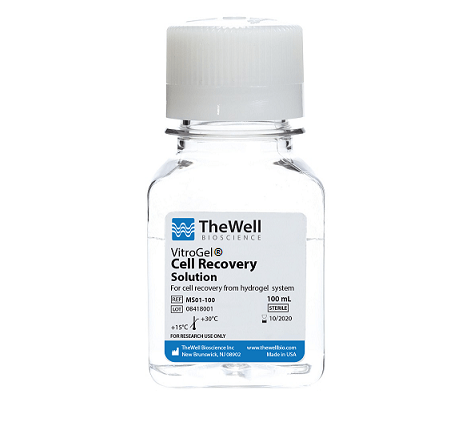
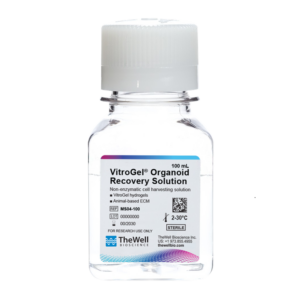
VitroGel® Cell Recovery Solution (100 mL)
Enzyme-free cell harvesting solution to recover cells from the hydrogel in 20 min.
For Gentle Recovery: Ideal for sensitive cell types and applications such as suspension culture and fragment recovery.
Looking to recover cells from animal-based ECM? See this version >
VitroGel® Cell Recovery Solution
Chemically defined, enzyme-free harvesting solution for gentle recovery of cells


Fast and Gentle Recovery
Recover cells from the hydrogel in just 15 minutes. The recovered cells can be readily sub-cultured in both 2D and 3D culture.
VitroGel® Cell Recovery Solution is a chemically defined, non-enzymatic cell harvesting solution to recover cells/organoids cultured in 2D, 3D, efficiently and safely in 20 minutes.
VitroGel® Cell Recovery Solution is room-temperature stable, has a neutral pH, and operates at 37 °C. The solution can maintain high cell viability during the recovery process. Harvested cells can be sub-cultured in both 2D and 3D cultures.
The VitroGel® Cell Recovery Solution can be used before or after fixation and staining of hydrogel specimens to ensure high-quality downstream data analysis.
Excellent for recovering intact cell aggregates and tissue fragments in iPSC 3D culture and organoid applications. Ideal for suspension cultures and workflows requiring gentle fragment recovery.
Easy cell recovery from hydrogel in 15-20 minutes.
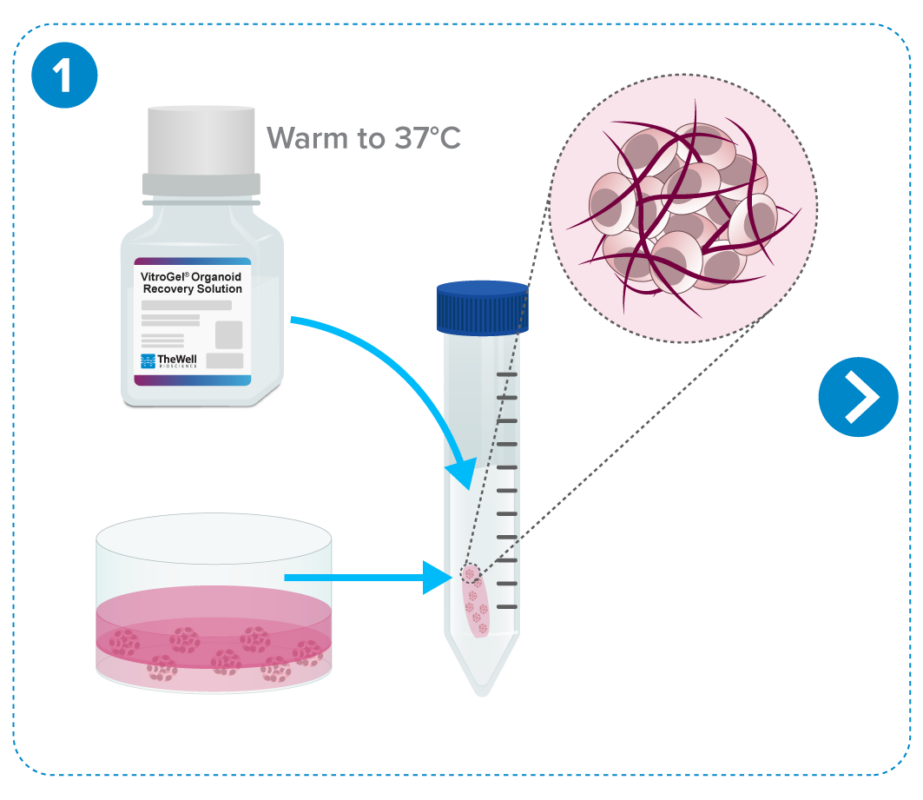

Mix recovery solution with the cells.
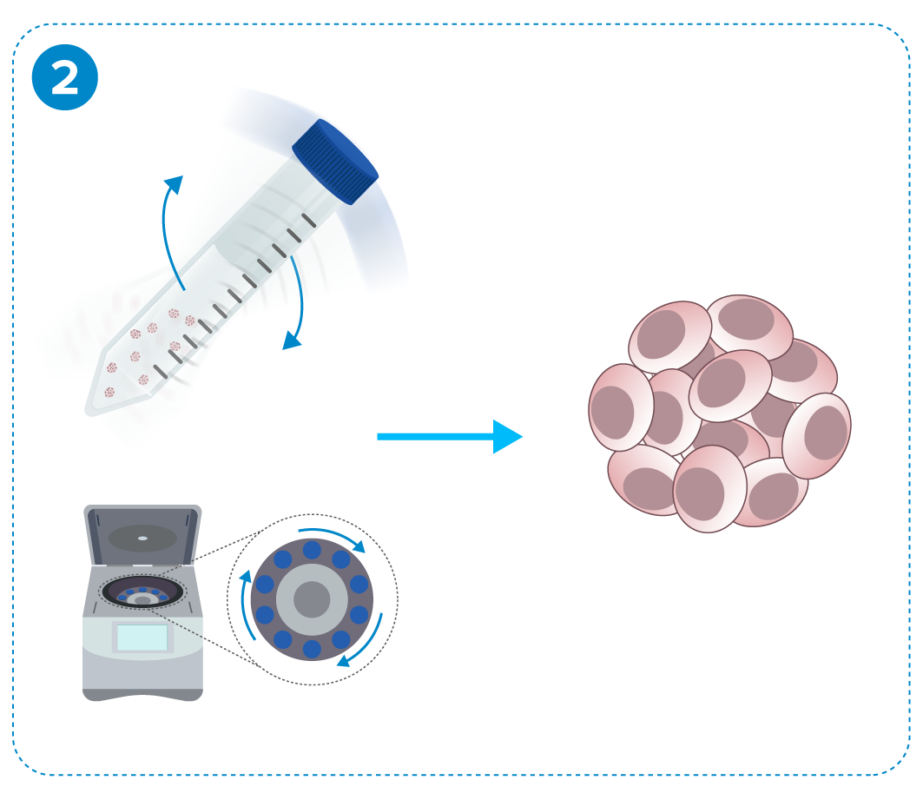

Rock tube at 37°C and centrifuge. Separate cells from the dissolved hydrogel.
Specifications
| Size | 100 mL |
| Formulation | Enzyme-free, chemically defined |
| Use | Harvest cells from VitroGel® hydrogel while maintaining high cell viability. Use before or after sample fixation and stained preparation for imaging or downstream data analysis |
| Processing Time | 15-20 min |
| Downstream | Recovered cells can be sub-culture in both 2D and 3D culture |
| pH | Neutral |
| Storage | Ambient Temperature (15-30°C) |
| Stability | 60 months from date of manufacture |
Protocols and Resources


Video Protocols & Demonstrations
TECHNICAL TIPS
Technical Tips
- KEEP SOLUTION WARM: It is important to keep the cell recovery solution and the mixture warm at 37°C during the whole process. The warm temperature is essential to accelerate molecular exchanges to release the ionic molecules from the solid hydrogel, which can transform into a soft hydrogel.
- APPLY MECHANICAL FORCE: The mechanical force, such as rocking or shaking the centrifuge tube or using a serological pipette to mix the hydrogel with the cell recovery solution helps to transform the hydrogel into the liquid state.
- DILUTION: Adding the cell recovery solution at a volume of 10X or higher than the hydrogel maintains the dissolved hydrogel in a liquid state.
- CENTRIFUGE AT ROOM TEMPERATURE
Application Notes
Data and References
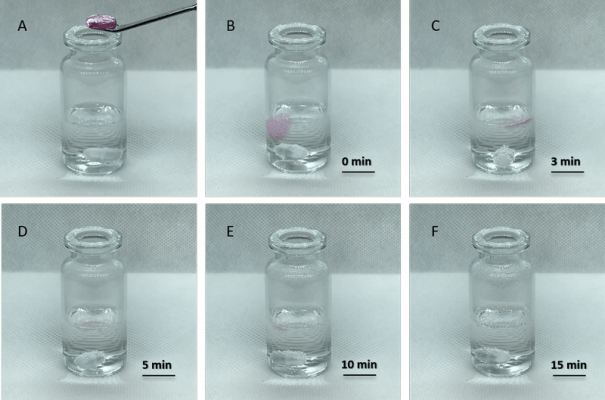
Figure 1. Fast hydrogel dissolved in VitroGel Cell Recovery Solution.
A. Hydrogel before adding to recovery solution; B-F. Time 0 to 15 min after adding hydrogel to recovery solution (at 37 °C, 20 rpm).
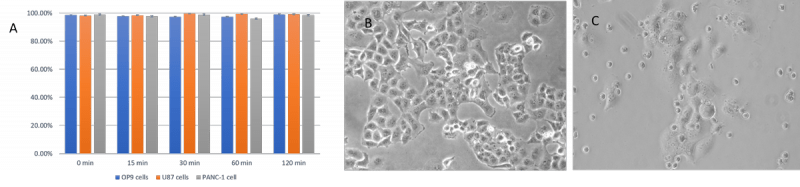
Figure 2 The VitroGel Cell Recovery Solution maintains high cell viability
A. Cell viability of OP9, U87-MG and PANC-1 cells after adding to recovery solution at time 0, 15, 30, 60 and 120 min. Cells maintain over 95% cell viability after suspending in VitroGel cell recovery solution for 2 hr.; B. PANC-1 cells growth on 2D well plate before transfer to cell recovery solution; C. PANC-1 cells suspended in cell recovery solution for 24 hours then re-culture on 2D well plate for 5 days. Cells has been successful re-culture after suspend in cell recovery solution for 24 hours.
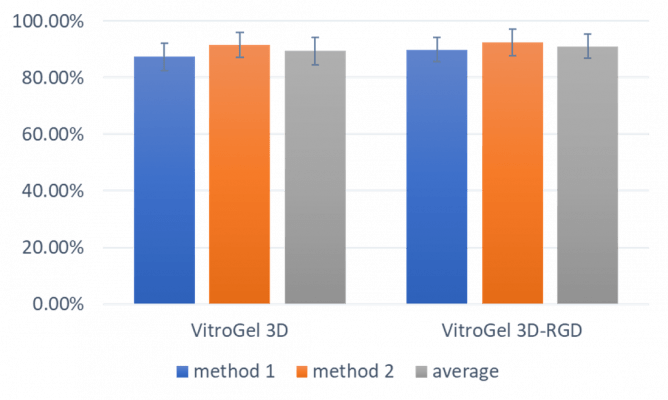
Figure 3.
Cell viability of 3D cultured PANC-1 cells after recovering from hydrogel. (Method 1: add whole gel into cell recovery solution. Method 2: using pipette to break gel into small piece before adding into cell recovery solution. Average: the average cell viability of method 1 and method 2.)
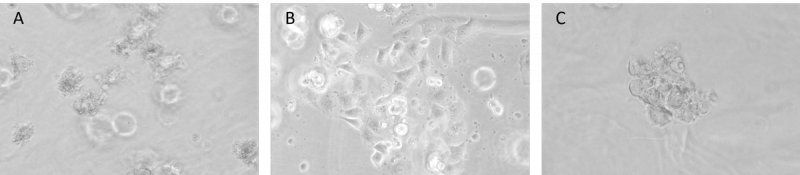
Figure 4. Cells can be sub-culture in both 2D and 3D culture after recovery. A.
PANC-1 cells growth on 3D hydrogel before harvested by VitroGel cell recovery solution; B. PANC-1 cells have been harvested from 3D hydrogel by using VitroGel cell recovery solution and subculture on the surface of hydrogel (day 2); C. PANC-1 cells have been harvested from 3D hydrogel by using the cell recovery solution and 3D subculture in the hydrogel system again (day 2).
References/Publications
- Schofield, B., Seeger, D., Besch, D., Kotha, P., Golovko, S., Grove, B., Mansouripour, A., Parmer, M., Solaymani-Mohammadi, S., & Golovko, M. (2026). Adenylosuccinate acts as a novel pro-angiogenic factor. https://doi.org/10.21203/rs.3.rs-10221033/v1
- Choi, M., Kang, E., Kim, M., Tsuchiya, K., Matinlinna, J. P., Lee, K., & Min, K. (2026). Biological effects of a premixed calcium silicate pulp‐capping material containing dimethyl sulphoxide as a vehicle: In vitro and in vivo study. European Journal of Oral Sciences. https://doi.org/10.1111/eos.70096
- McKinnon, B., Duempelmann, L., Skrabalova, J., Subramaniam, S., Taylor, L., Atluri, S., Chauquet, S., Montgomery, G., Tanaka, K., Ramm, S., Luu, J., Simpson, K., Shah, S., Amoako, A., Mueller, M., & Nirgianakis, K. (2026). Dienogest interrupts the chemokine signalling axis in endometriotic lesions with resistant signatures, providing novel opportunities for personalised treatment. https://doi.org/10.21203/rs.3.rs-8096027/v1
- Li, F., Xu, T., Sun, R., He, Y., Lin, J.-F., Chen, H., Wang, J., Chen, J., Chen, P., Guo, Q., Yang, Q., Cai, W., Li, C., Zeng, M., Cao, J., Fan, J., Huang, X., Wang, Q., & Zhang, Q. (2025). CircPPP1CB subtype, hsa_circ_0007439, promotes nasopharyngeal carcinoma progression by upregulating KRT1. Discover Oncology, 16(1), 2031–2031. https://doi.org/10.1007/s12672-025-03888-z
- Fuego, D. M., Devkota, I., Bonomo, Z. L., Li, Y., Zhang, X., Dondeti, M. F., Donnarumma, F., Matsakas, A., Patterson, A. L., Williams, C. C., Vourekas, A., Fu, X., Bondioli, K. R., & Simintiras, C. A. (2025). Oviduct fluid metabolic regulation of embryonic genome methylation. https://doi.org/10.1101/2025.06.13.659599
- Lee, H. J., Lau, L. N., Sidhu, S. K., Park, J.-Y., & Yeo, I.-S. L. (2025). Three-Dimensional Hydrogel Culture Reveals Novel Differentiation Potential of Human Bone Marrow-Derived Stem Cells. Prosthesis, 7(3), 52. https://doi.org/10.3390/prosthesis7030052
- Li, F., Song, L., He, Y., Chen, P., Wang, J., Zeng, M., Li, C., Chen, J., Chen, H., Guo, Q., Fan, J., Huang, X., Wang, Q., & Zhang, Q. (2025). FLT1-enriched extracellular vesicles induce a positive feedback loop between nasopharyngeal carcinoma cells and endothelial cells to promote angiogenesis and tumour metastasis. Oncogene. https://doi.org/10.1038/s41388-025-03389-x
- Liu, X., Zhou, Z., Lu, X., Zhong, H., He, R., Feng, Z., & Guan, R. (2024). Protective mechanism of quercetin nanoliposomes on hydrogen peroxide-induced oxidative damage in 3D Caco-2 cell model. Journal of Functional Foods, 124, 106650. https://doi.org/10.1016/j.jff.2024.106650
- Gabusi, E., Lenzi, E., Manferdini, C., Dolzani, P., Columbaro, M., Saleh, Y., & Lisignoli, G. (2022). Autophagy Is a Crucial Path in Chondrogenesis of Adipose-Derived Mesenchymal Stromal Cells Laden in Hydrogel. Gels , 8(12),766. https://www.mdpi.com/2310-2861/8/12/766
- De Donato, M., Babini, G., Mozzetti, S., Buttarelli, M., Ciucci, A., Arduini, G., De Rosa, M. C., Scambia, G., & Gallo, D. (2020). KLF7: a new candidate biomarker and therapeutic target for high-grade serous ovarian cancer. Journal of Experimental & Clinical Cancer Research, 39(1). https://doi.org/10.1186/s13046-020-01775-9
- Lan, T., Guo, J., Bai, X., Huang, Z., Wei, Z., Du, G., Yan, G., Weng, L., & Yi, X. (2020). RGD-modified injectable hydrogel maintains islet beta-cell survival and function. Journal of Applied Biomaterials & Functional Materials, 18, 228080002096347. https://doi.org/10.1177/2280800020963473
- Powell K. Adding depth to cell culture. Science, 356(6333), 96–98. https://doi.org/10.1126/science.356.6333.96
- References to all VitroGel hydrogels >
| Size | 100 mL |
|---|
Related products
Cell Harvesting Solution
Chemically defined, non-enzymatic cell harvesting solution to recover cells/organoids from hydrogel or an animal-based ECM within 15 minutes.