
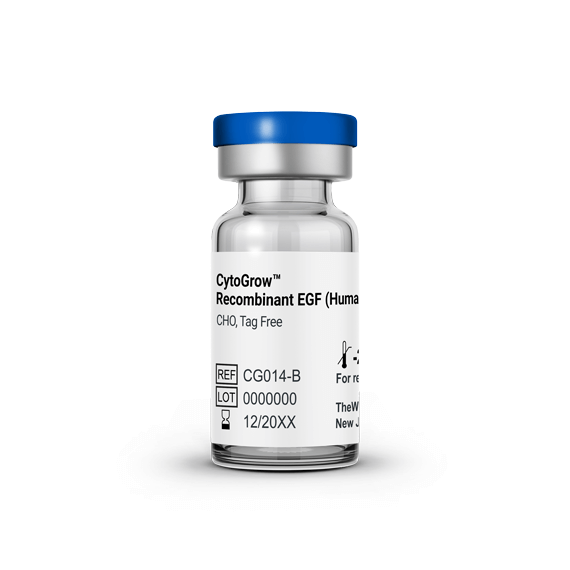
EGF (Human), Recombinant Protein, CHO, Tag Free
Premium CytoGrow™ growth factor suitable for cell culture supplementation, wound healing research, epithelial biology, and cancer signaling studies.
CytoGrow™ Recombinant EGF (Human), CHO, Tag Free
Recombinant human Epidermal Growth Factor (EGF) is produced in CHO cells to ensure proper folding, glycosylation, and high biological activity. Supplied in a tag-free format, this protein maintains its native sequence, making it highly suitable for cell culture, wound healing, and signaling studies.
EGF is a key mitogenic factor that binds to the EGF receptor (EGFR), stimulating cell proliferation, survival, and differentiation. It plays essential roles in epithelial tissue development, regeneration, and cancer biology, making it widely used in both basic research and applied biomedical studies.
| Synonym: | Pro-Epidermal Growth Factor; EGF; Epidermal Growth Factor; Urogastrone |
| Species: | Human |
| Expression System: | Chinese hamster ovary cell line (CHO) |
| Endotoxin: | ≤10 EU/mg |
| Appearance: | White powder, colorless clear liquid |
| Formulation | Lyophilized from a 0.22 μm filtered solution containing PBS, 5% mannitol |
| Reconstitution: | Recommended to redissolve in sterile deionized water |
| Shipping: | US - Ships overnight |
| Storage and Stability: | Store in a manual defrost freezer and avoid repeated freeze-thaw cycles. Lyophilized state: 36 months at -20°C to -80°C After reconstitution and under sterile conditions: 6 months at -20°C to -80°C 7-10 days at 2°C to 8°C |


Bioactivity
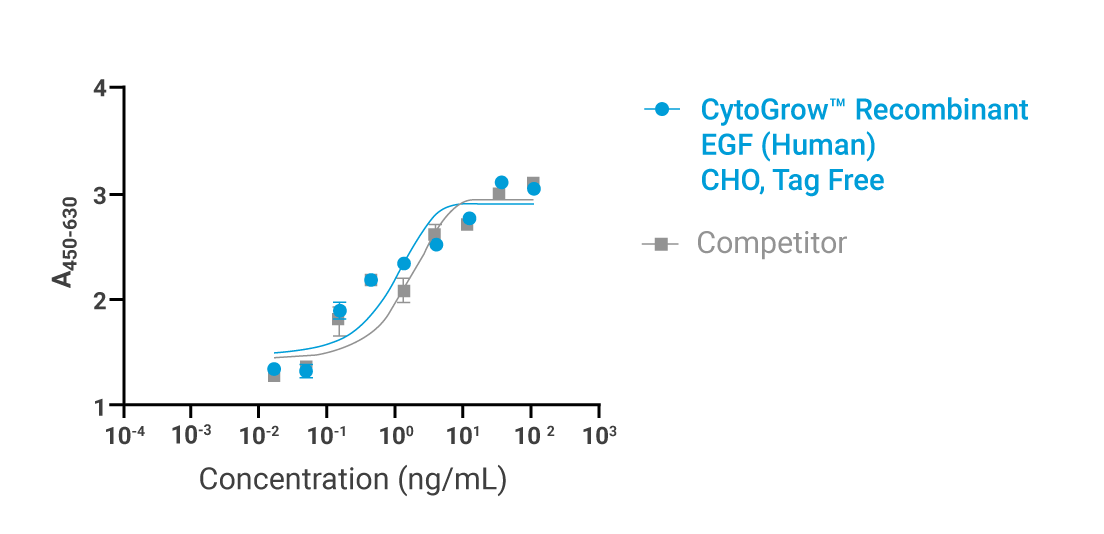
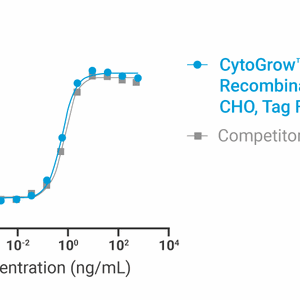
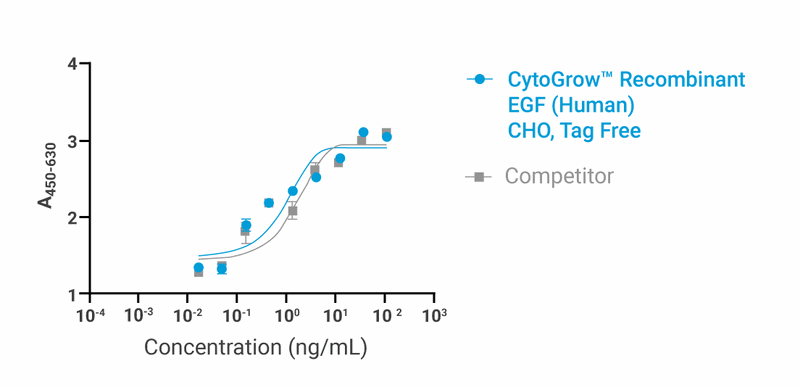 Biological activity of the CytoGrow™ Recombinant EGF (Human), CHO, Tag Free was assessed based on the stimulation of NIH3T3 cell proliferation. The expected ED50 is less than or equal to 0.3 ng/mL. The data presents a head-to-head comparison with industry-leading competitors.
Data

Organoid Culture
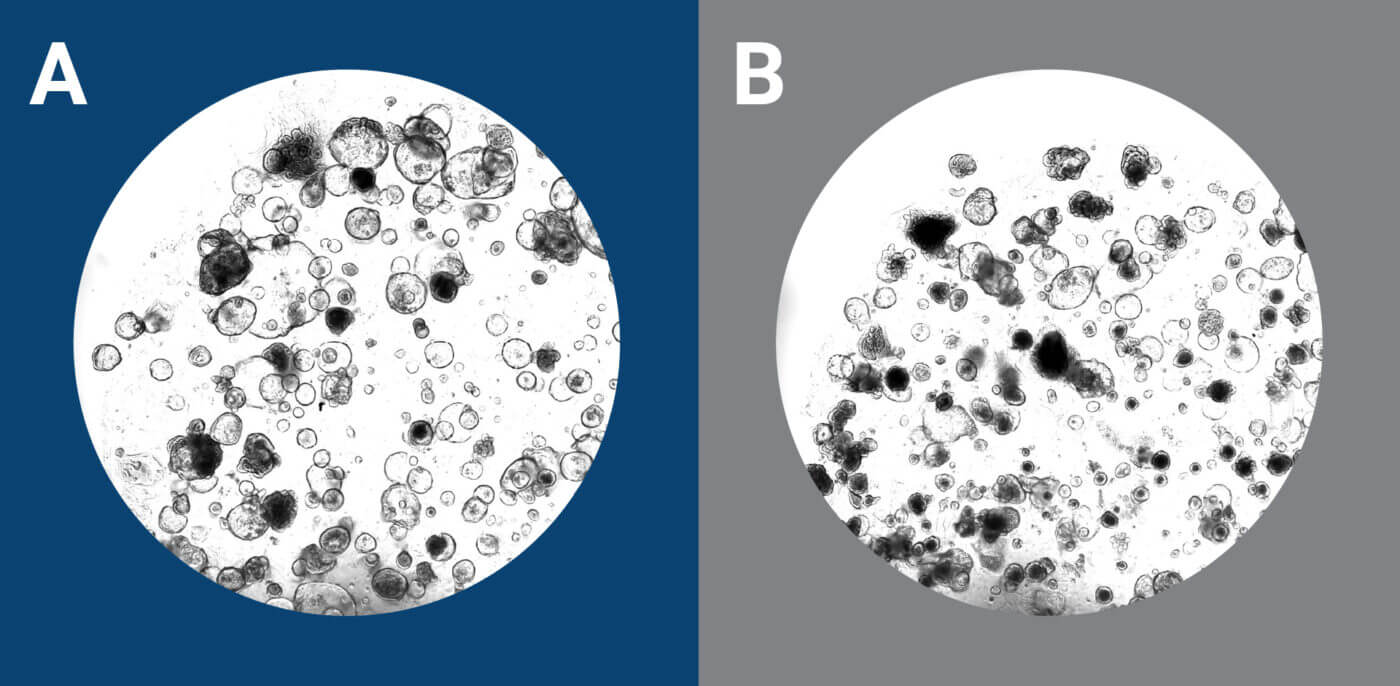
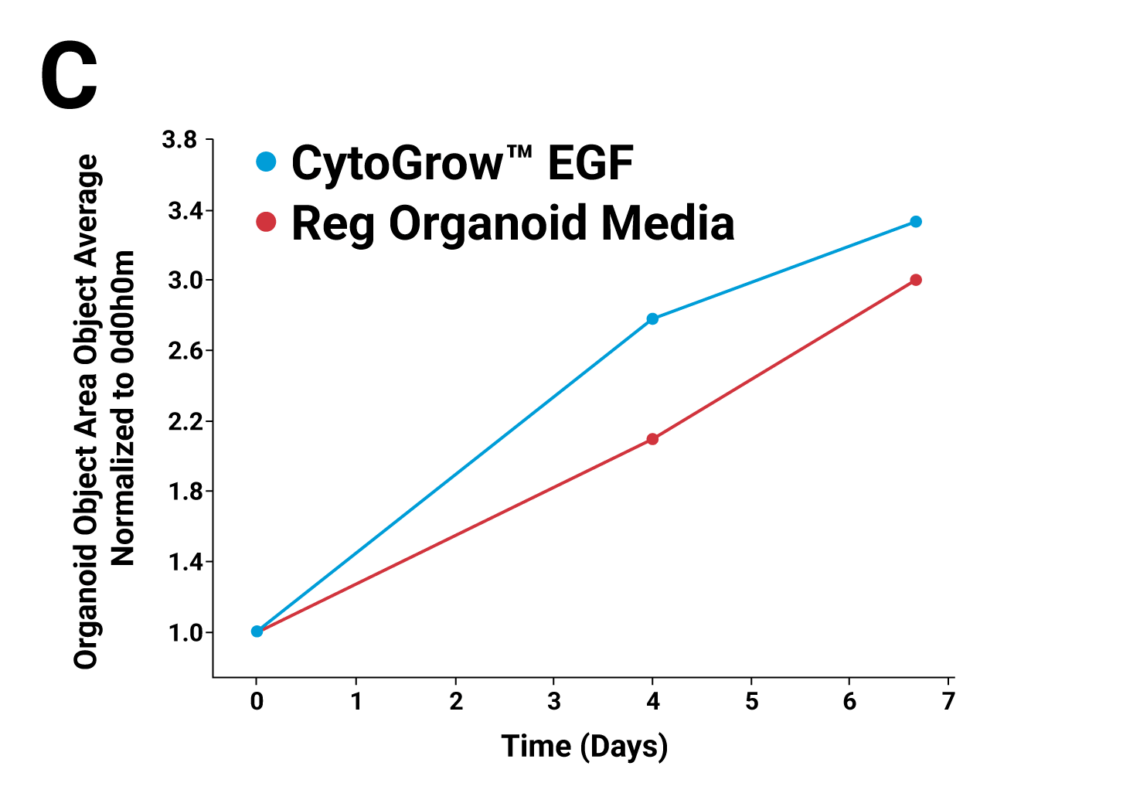
Figure 1: CytoGrow™ growth factors enhance intestinal organoid growth
A. CytoGrow™ EGF was used to replace growth factors of regular organoid growth medium, respectively, and the results show growth of the intestinal organoids on day 6 in Matrigel. B. Day 6 morphology of Intestinal organoid growth in regular organoid culture medium with other brand growth factors. C. The curve of organoid growth area within 6 days shows that CytoGrow™ growth factor supports faster growth of intestinal organoids compared to other growth factors.

Neuron Culture
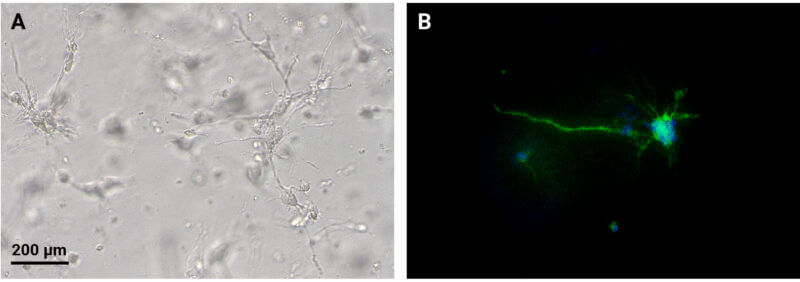
Figure 2. CytoGrow™ growth factors support 3D encapsulation culture of NSC cells as single cell suspension in VitroGel® NEURON using RocketCell™ NSC Xeno-Free Growth Medium.
VitroGel® NEURON Hydrogel and RocketCell™ NSC Xeno-Free Media Support 3D NSC Cultures and Neurite Outgrowth. The growth medium was supplemented with CytoGrow EGF and FGF2. 3D NSC cultures were established by preparing a single-cell NSC suspension with RocketCell™ NSC Xeno-Free Medium and mixing with VitroGel NEURON for 6 days (A). Immunofluorescence staining was performed to evaluate the presence of beta-III-tubulin, a neuron maturation marker. The images were obtained using the Keyence BZ-X microscope at 10x and 20x magnifications (B).

Figure 3. CytoGrow™ growth factors support NSC growth and maintenance on VitroGel® NEURON coating surface of VitroPrime™ Spread-Attach using RocketCell™ NSC Xeno-Free Growth Medium.
24-well plates were coated with VitroGel® NEURON hydrogel (1:200 dilution) for 30 minutes at room temperature. iPSC-derived NSCs (4 x 10⁴ cells/well) were added to each well, resulting in a final volume of 0.5 mL per well. The medium was changed every 2 days, and the cultures were monitored using an inverted microscope at a 10X magnification.
| Size | 1 μg, 10 µg, 50 μg, 1 mg, 100 mg, 1 g, 1 mL, 10 mL |
|---|
Related products
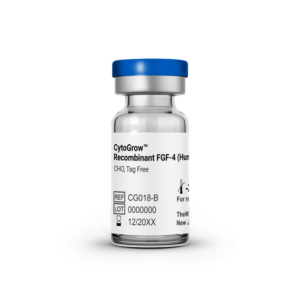
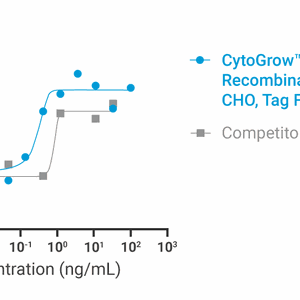
CytoGrow™ - Recombinant Proteins
Premium CytoGrow™ growth factor suitable for stem cell biology, developmental studies, angiogenesis research, and regenerative medicine.
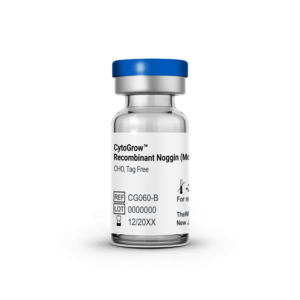
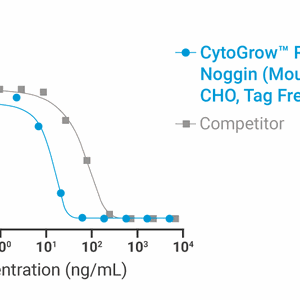
CytoGrow™ - Recombinant Proteins
Premium CytoGrow™ growth factor suitable for mouse developmental biology, stem cell differentiation, BMP pathway studies, and tissue engineering research.
CytoGrow™ - Recombinant Proteins
Premium CytoGrow™ growth factor suitable for immunology research, oncology, autoimmune disease studies, cell culture, and therapeutic development.

CytoGrow™ - Recombinant Proteins
Premium CytoGrow™ growth factor suitable for bovine cell culture, angiogenesis studies, tissue regeneration, and veterinary research.
CytoGrow™ - Recombinant Proteins
Premium CytoGrow™ growth factor suitable for neuronal cell culture, neurodegenerative disease research, synaptic plasticity studies, and drug discovery.
CytoGrow™ - Recombinant Proteins
Premium CytoGrow™ growth factor suitable for stem cell culture and differentiation, neurobiology, immunology, cancer research, and tissue regeneration studies.