
Animal Origin-Free and Defined Composition
Optimized for the animal origin-free expansion of pluripotent stem cells
New
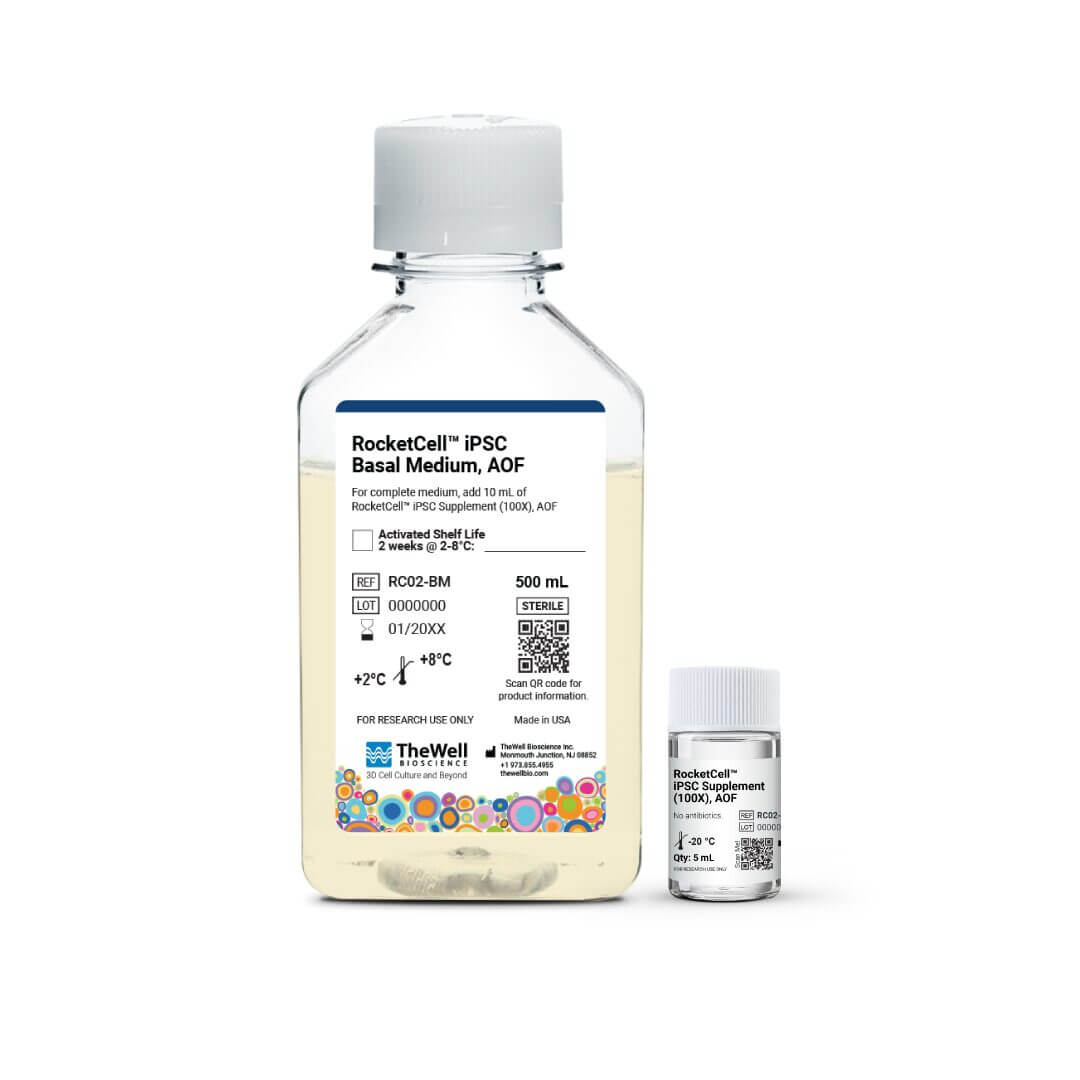
RocketCell™ iPSC Growth Medium, AOF
Animal origin-free medium for 2D and 3D expansion of pluripotent stem cells.
RocketCell™ iPSC Growth Medium, AOF
Robust, animal origin-free, defined culture medium for growing pluripotent stem cells


Easy-to-use and Versatile
Complete formulation tested with multiple pluripotent stem cell lines

Weekend-Free Workflow
Alternate-day feeding schedule minimizes handling and supports consistent, long-term culture.

Preserves Key Pluripotency Markers
Maintains key stem cell identity and pluripotency markers
RocketCell™ iPSC Growth Medium, AOF is designed to support the robust growth and maintenance of human induced pluripotent stem cells (iPSCs) under animal origin-free conditions. Engineered with defined components and optimized nutrient balance, this medium ensures consistent cell performance, stable pluripotency, and high viability across passages.
RocketCell™ iPSC Growth Medium, AOF provides a reliable solution for researchers seeking a feeder-free, animal-component-free culture environment for iPSC expansion and differentiation studies. The formulation minimizes variability and supports efficient cell attachment, rapid proliferation, and healthy colony morphology, making it ideal for regenerative medicine and disease modeling.
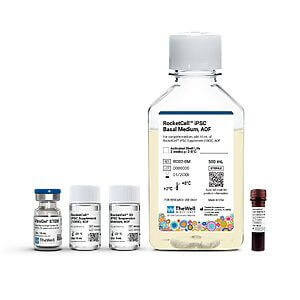
Kit Contents:
- 1 x 500 mL, RocketCell™ iPSC Basal Medium, AOF
- 1 x 5 mL, RocketCell™ iPSC Supplement (100X), AOF
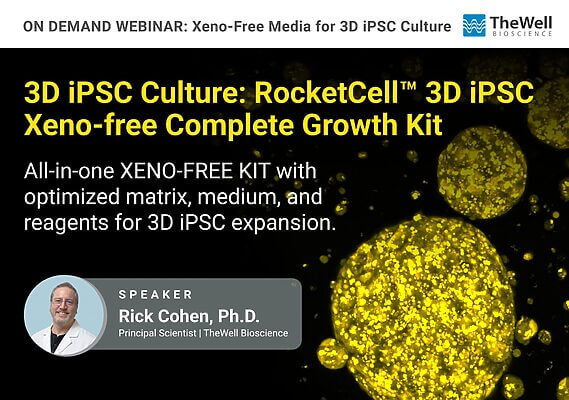
For an all-in-one optimized kit for 3D expansion of pluripotent stem cells, use
RocketCell™ 3D iPSC Complete Growth Kit, AOF↗
Complete Guide for Animal Origin-Free Stem Cell Culture: Bridge 2D and 3D culture from end-to-end.
This comprehensive product guide features validated applications, optimized workflows, and integrated solutions designed to support reproducible cell expansion, maintenance, and differentiation across a wide range of stem cell research applications.

Specifications
| Use | 3D pluripotent stem cell cultures |
| Shipping and Storage | Basal Medium: Ships with ice pack. Store at 2-8°C. Supplement: Ships with dry ice Store at -20°C. |
Recommended Product

Protocols and Resources


Data and References
2D Culture
2D: CASE 1
Growth of Human Pluripotent Stem Cells using RocketCell™ iPSC Growth Medium, AOF
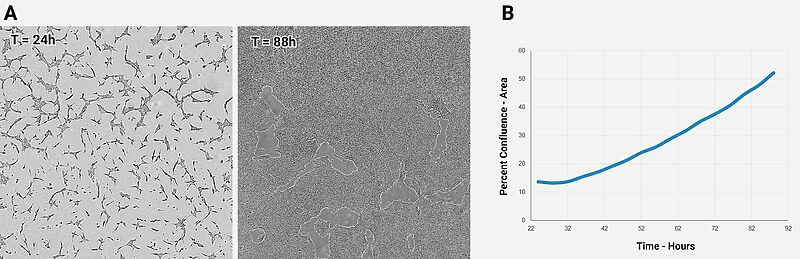
Fig 1. Growth of iPSC in RocketCell™ iPSC Growth Medium, AOF on CytoGrow™ Vitronectin-coated VitroPrime™ Spread-Attach Plates – Weekend Free Feeding Schedule. A. iPSCs grown on a CytoGrow™ Vitronectin-coated VitroPrime™ 6-well plate with RocketCell™ iPSC Growth Medium, AOF for 4-7 days. B. iPSC growth was quantified by percent confluence over time, with images collected every 4 hours and analyzed relative to the initial timepoint (T = 0 + 24 hrs).
2D: CASE 2
Morphological Characteristics of iPSCs Expanded in RocketCell™ iPSC Growth Medium, AOF on CytoGrow™ Vitronectin or Geltrex
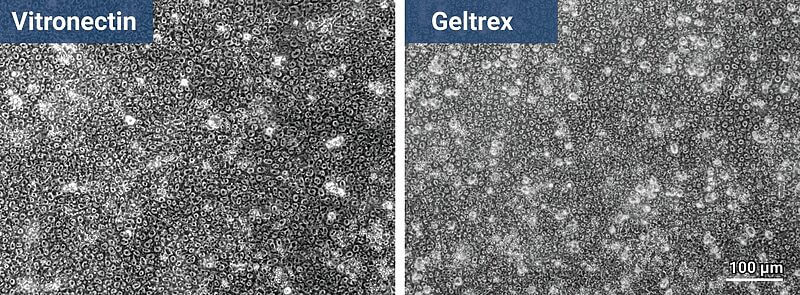
Fig 2. CytoGrow™ Vitronectin-coated VitroPrime™ Spread-Attach Plates support canonical iPSC morphology.
iPSCs grown on Supplier C plasticware coated with Vitronectin or Geltrex were passaged using the PBS/EDTA method, and plated in the presence of Rock Inhibitor (2 uM Thiazovivin) on CytoGrow™ Vitronectin-coated VitroPrime™ 24-well plates, or Supplier C 24-well plates coated with Geltrex. The following day, the medium was changed without Rock Inhibitor, and this was repeated every other day for up to 7 days. The cultures were inspected and photographed using an Olympus CKX41 with a Canon EOS Rebel T3i Digital SLR.
Micrographs were optimized using Adobe Lightroom. Scale bar is 100 microns. iPSCs, known to grow in colonies, have small, compact cell cytoplasm, prominent nuclei, and nucleoli, as described in both cultures grown on Vitronectin VitroPrime™ and Geltrex Supplier C plates. This demonstrates that the RocketCell™/CytoGrow™/VitroPrime™ platform is a suitable system for expanding iPSCs.
2D: CASE 3
Immunostaining of iPSCs Grown in RocketCell™ iPSC Growth Medium, AOF
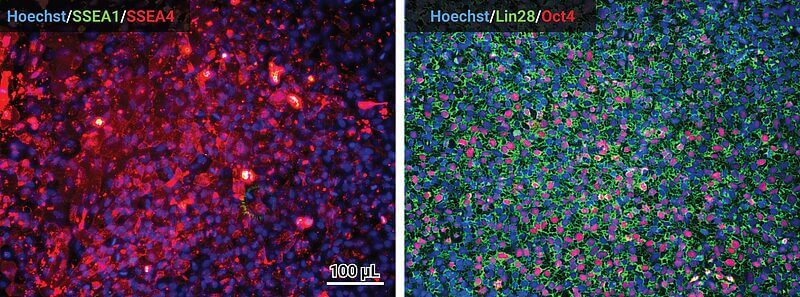
Figure 3: IPSCs grown in RocketCell™ iPSC Growth Medium, AOF on CytoGrow™ Vitronectin-coated 24-well plates were processed for indirect immunofluorescence using standard techniques. Samples were stained with a combination of (LEFT) anti-SSEA1 and SSEA4, followed by fluorescently labeled second-step antibodies; goat-anti-mouse IgM-Alexa Fluor 488 or IgG3-Alexa Fluor 594 or (RIGHT) anti-Oct4 and anti-Lin28 followed by goat-anti-rabbit-Alexa Fluor 594, and –mouse IgG1-Alexa Fluor 488. Samples were then counterstained for 10 min using Hoechst 33342 (2.5 ug/mL). Samples were visualized using a Keyence BZ-X system. These results demonstrate that the IPSC Growth system is capable of maintaining canonical pluripotent markers while preventing differentiation, as little to no SSEA1 staining was observed (see white arrows on left panel).
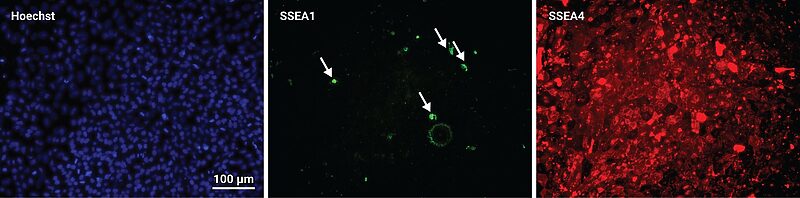
Figure 3A: IPSCs grown in RocketCell™ iPSC Growth Medium, AOF on CytoGrow™ Vitronectin-coated 24-well plates were processed for indirect immunofluorescence using standard techniques. Samples were stained witha combination of anti-SSEA1 (ThermoFisher, mouse IgM) and SSEA4 (ThermoFisher, mouse IgG3), followed by fluorescently labeled second-step antibodies; goat-anti-mouse IgM-Alexa Fluor 488 or IgG3-Alexa Fluor 594(ThermoFisher). Samples were then counterstained for 10 min using Hoechst 33342 (2.5 ug/mL). Samples were visualized using a Keyence BZ-X system. These results demonstrate that the IPSC Growth system is capable of maintaining canonical pluripotent markers while preventing differentiation, as little to no SSEA1 staining was observed (see white arrows in the left panel).
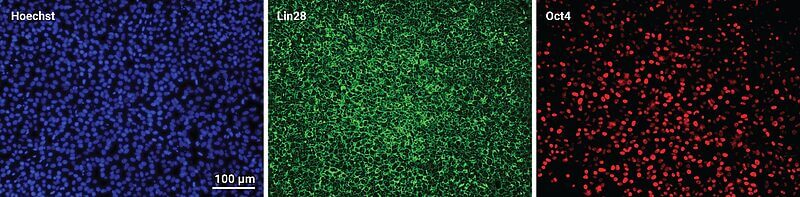
Figure 3B: IPSCs grown in RocketCell™ iPSC Growth Medium, AOF on CytoGrow™ Vitronectin-coated 24-well plates were processed for indirect immunofluorescence using standard techniques. Samples were stained with a combination of anti-Oct4 and anti-Lin28 followed by goat-anti-rabbit-Alexa Fluor 594, and –mouse. IgG1-Alexa Fluor 488. Samples were then counterstained for 10 min using Hoechst 33342 (2.5 ug/mL). Samples were visualized using a Keyence BZ-X system. These results demonstrate that the RocketCell™ iPSC Growth Medium, AOF can maintain expected and canonical pluripotent markers.
3D Subculture
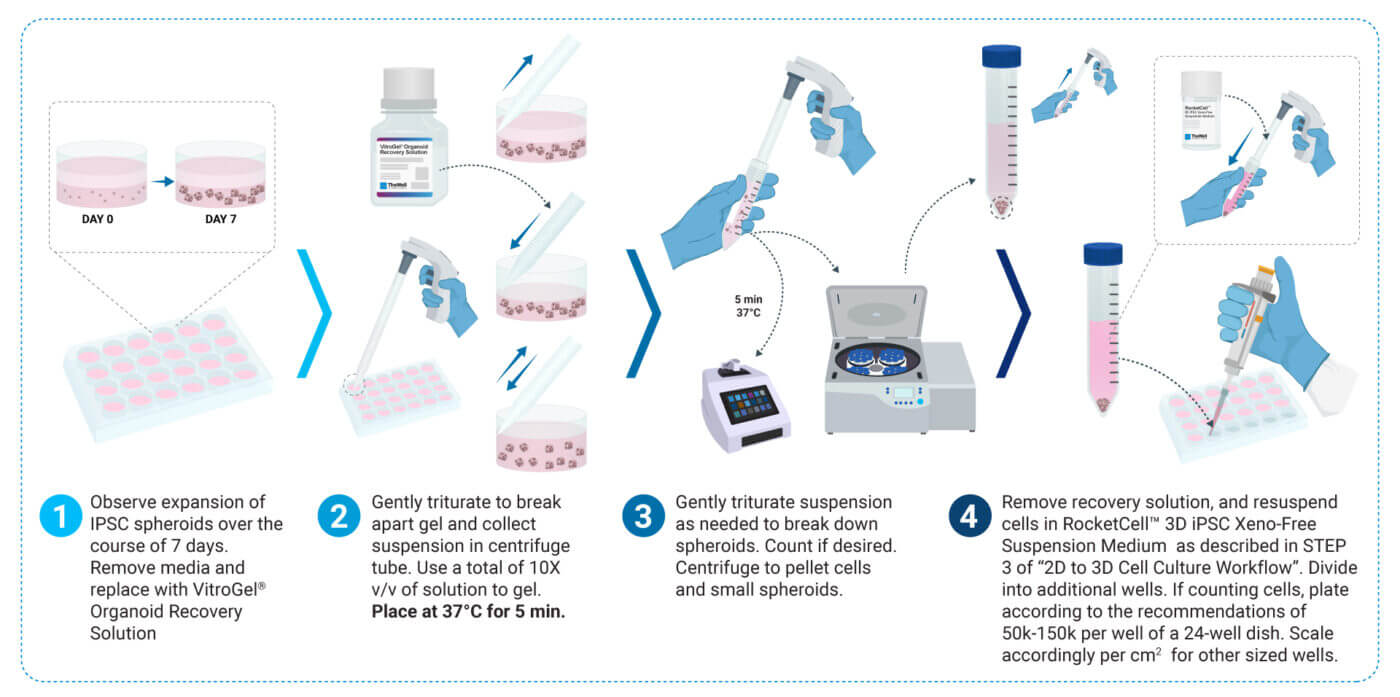
3D: CASE 1
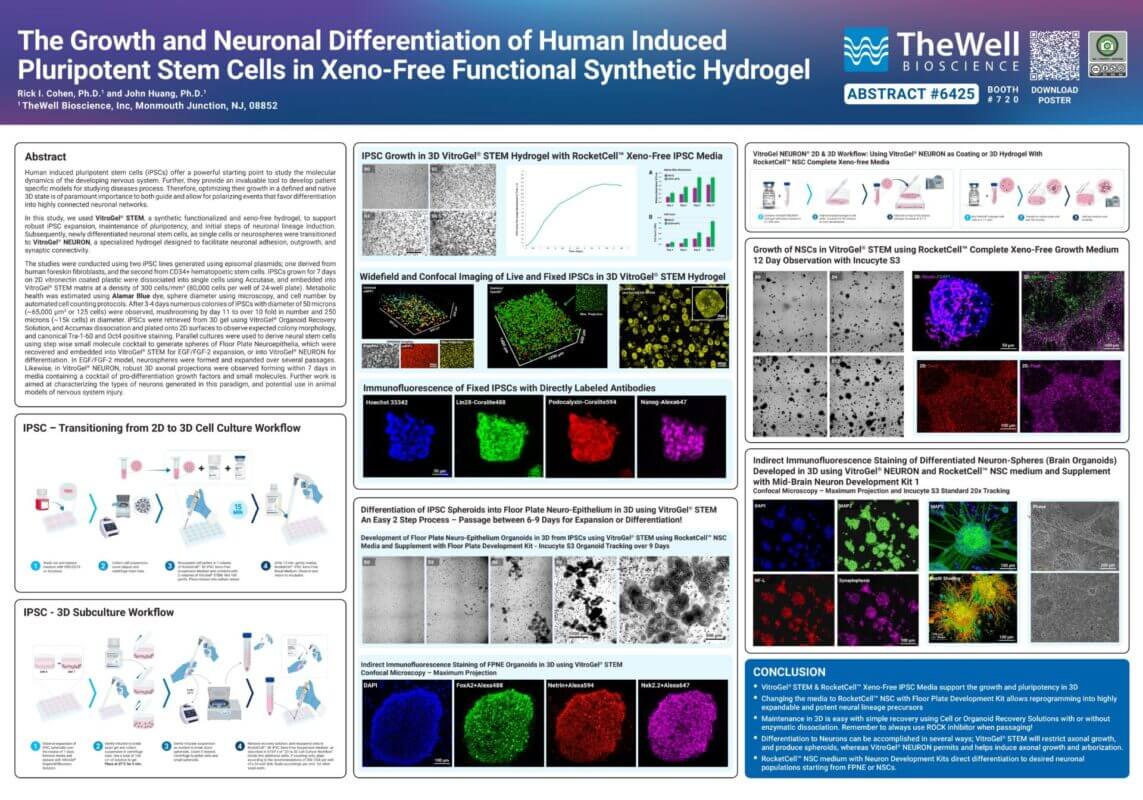
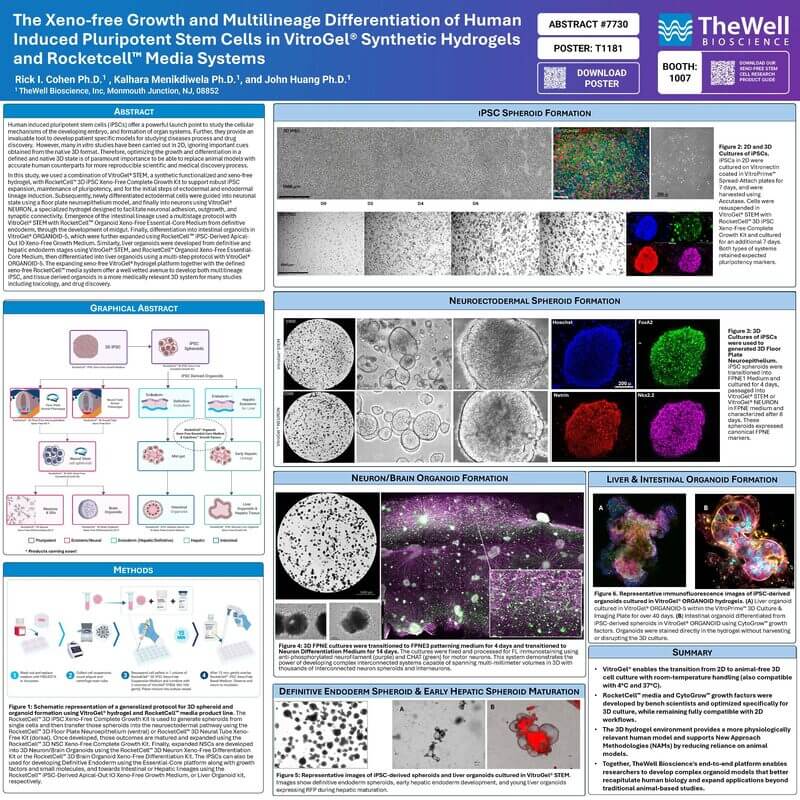
Indirect Immunofluorescence staining of IPSCs Grown in VitroGel® STEM Hydrogel Pluripotency is maintained by RocketCell™ iPSC Growth Medium, AOF
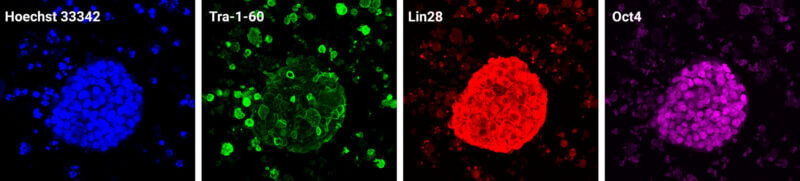
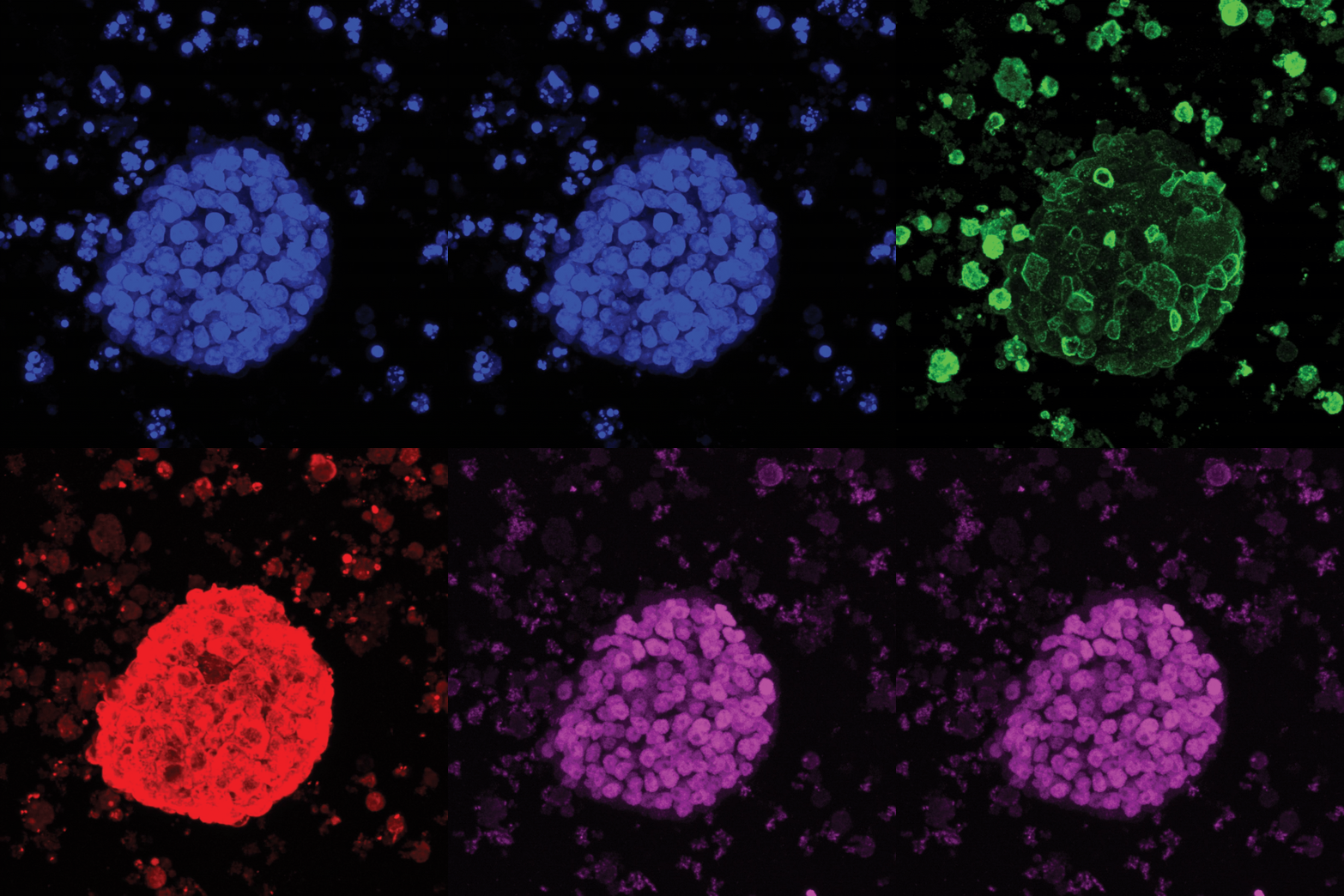
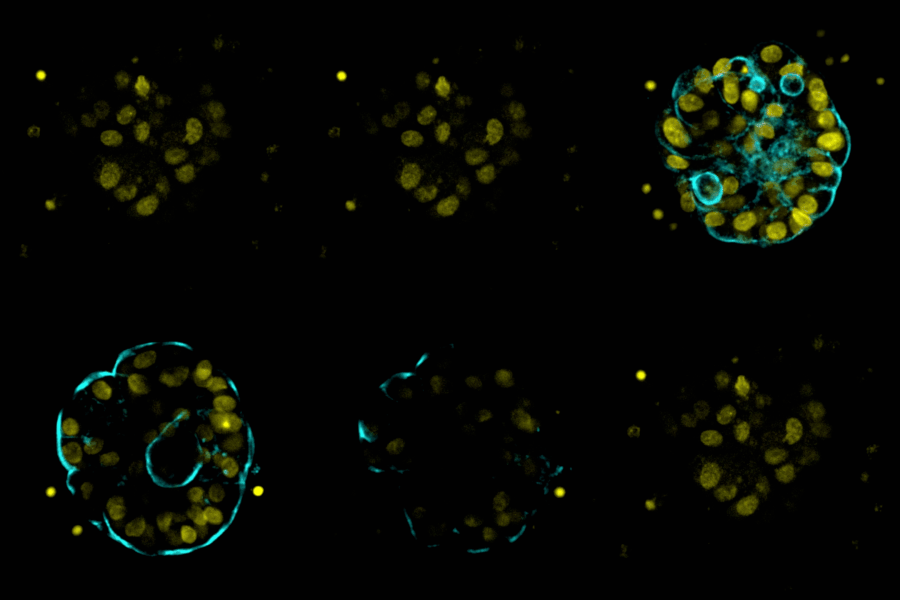
Figure 4: Indirect Immunofluorescence of Pluripotency Marker on IPSCs Grown using RocketCell™ 3D iPSC Complete Growth Kit, AOF. iPSCs (100k/well) were grown for 7 days in 24-well VitroPrime™ 3D Culture and Imaging plate, fixed, and stained with pluripotency markers Tra-1-60, Lin28, and Oct4 using Alexa Fluor 488, 594, and 647 secondary antibodies. Images were captured using a Leica MICA confocal microscope. These results confirm that the RocketCell™ 3D iPSC Growth Kit provides a supportive 3D microenvironment for maintaining pluripotency.
3D: CASE 2
Direct Immunofluorescence staining of IPSCs Grown in VitroGel® STEM Hydrogel Pluripotency is maintained by RocketCell™ iPSC Growth Medium, AOF
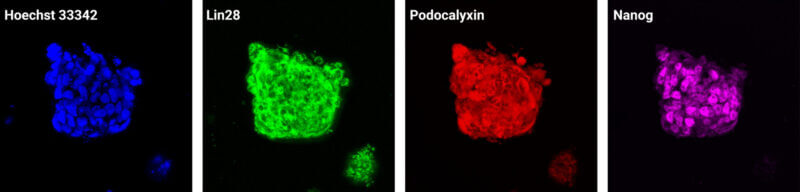
Figure 5: Direct Immunofluorescence Staining of IPSCs (HFF-1VL, TheWell Bioscience) Grown in RocketCell™ 3D iPSC Complete Growth Kit, AOF. iPSCs (100k/well) were grown for 7 days in 24-well VitroPrime™ 3D Culture and Imaging Plate before fixation and staining with directly labeled pluripotency markers Lin28 (Alexa 488), Podocalyxin (Alexa 594), and Nanog (Alexa 647). Images were captured using a Leica MICA confocal microscope. These results show that the RocketCell™ 3D iPSC Complete Growth Kit, AOF provides a supportive 3D environment for maintaining pluripotent stem cells, while the use of directly labeled antibodies enables faster and more efficient hydrogel-based sample processing.
Resources
Publications
Enhance your stem cell culture with these products:
New
Cell Culture Media (Animal Origin-Free)
An all-in-one, animal origin-free kit with optimized matrix, medium, and reagents for 3D iPSC expansion.
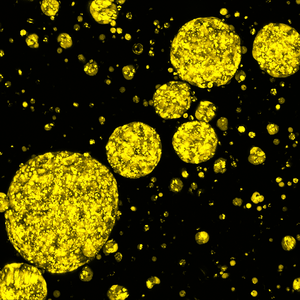
Hydrogels - Ready-To-Use
Ready-to-use, synthetic, chemically defined hydrogel system for hPSCs 3D static suspension culture and scale-up
CytoGrow™ - Recombinant Proteins
Premium CytoGrow™ growth factor suitable for cell culture substrate, stem cell maintenance, tissue engineering, biochemical assays, and protein purification.
New
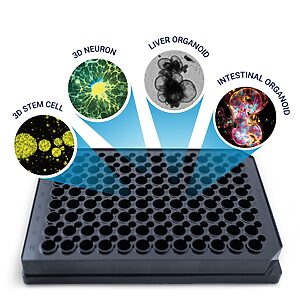

3D Culture Imaging Plates
A premium cover-glass bottom plate for zero sample disruption 3D cell culture workflow: from cell seeding to high-resolution imaging.


3D Culture Vessels
Unique surface treated for superior hydrogel spreading, adherence, and uniform surface.

Cell Harvesting Solution
Chemically defined, non-enzymatic cell harvesting solution to recover cells/organoids from hydrogel or an animal-based ECM within 15 minutes.

Cell Harvesting Solution
Enzyme-free cell harvesting solution to recover cells from the hydrogel in 20 min. For Gentle Recovery: Ideal for sensitive cell types and applications such as suspension culture and fragment recovery. Looking to recover cells from animal-based ECM? See this version >

Downstream Cell Analysis
Fast (15 min), versatile, live/dead cell viability analysis for 3D and 2D cell culture.
| Kit | 1 Kit |
|---|
Related products
New
Cell Culture Media (Animal Origin-Free)
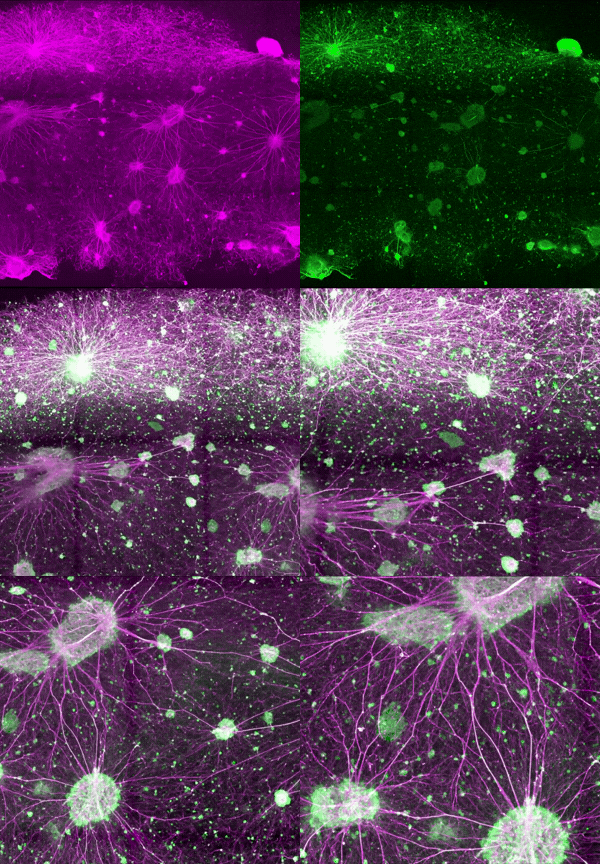
All-in-one, ready-to-use kit for 3D neural stem cell culture.
NEW
Culture Media and Supplements
N2-like Animal Origin-Free Supplement
NEW
Culture Media and Supplements
B27-like, Animal Origin-Free Supplement
NEW
Culture Media and Supplements
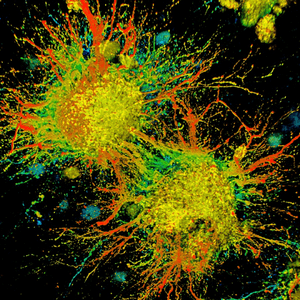
N2B27-Like Premixed Animal Origin-Free Supplement
New
Cell Culture Media (Animal Origin-Free)
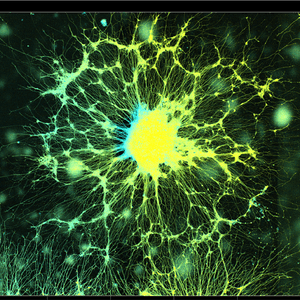
Animal origin-free complete medium for 3D and 2D neural stem cell culture
New
Cell Culture Media (Animal Origin-Free)
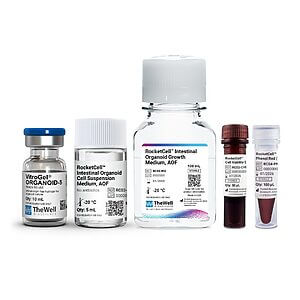
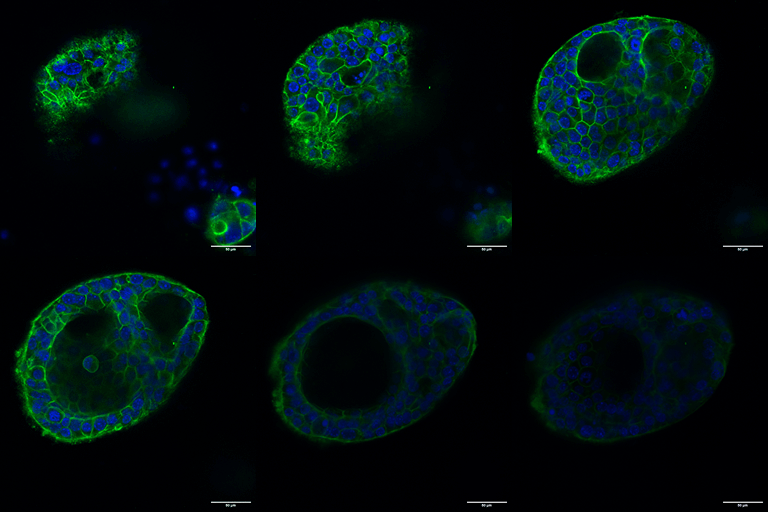
All-in-one, animal origin-free kit for growth, expansion, and passaging of apical-out intestinal organoids.