
Xeno Free and Synthetic
Complete animal-free system for 3D GBM tumoroid generation with batch-to-batch consistency.
NEW
VitroGel® Glioblastoma (GBM) EMT Kit, XF
Ready-to-use kit for 3D GBM tumoroid formation.
Supports epithelial-to-mesenchymal transition with long-term tumoroid culture.
VitroGel® Glioblastoma (GBM) EMT Kit
Ready-to-use kit for 3D Glioblastoma (GBM) tumoroid formation, supporting epithelial-to-mesenchymal transition and enabling long-term tumoroid culture.

Simple Workflow at Room Temperature
Generate the tumoroid from a simple, single, spheroid with an
easy operating protocol at room temperature

Enables EMT Process and Long-Term Culture
Supports the biologically relevant epithelial-to-mesenchymal transition and maintains the well-organized structure for months.

Automation-Friendly and HTS
Compatible with lab-automated liquid-handling systems and supports high-throughput screening process.
The VitroGel® Glioblastoma (GBM) EMT Ki, XF t is an excellent tool for generating 3D GBM tumoroids, enabling cells to undergo the epithelial-to-mesenchymal transition to examine pathways involved in cancer metastasis, support drug screening, and enable high-throughput automation.
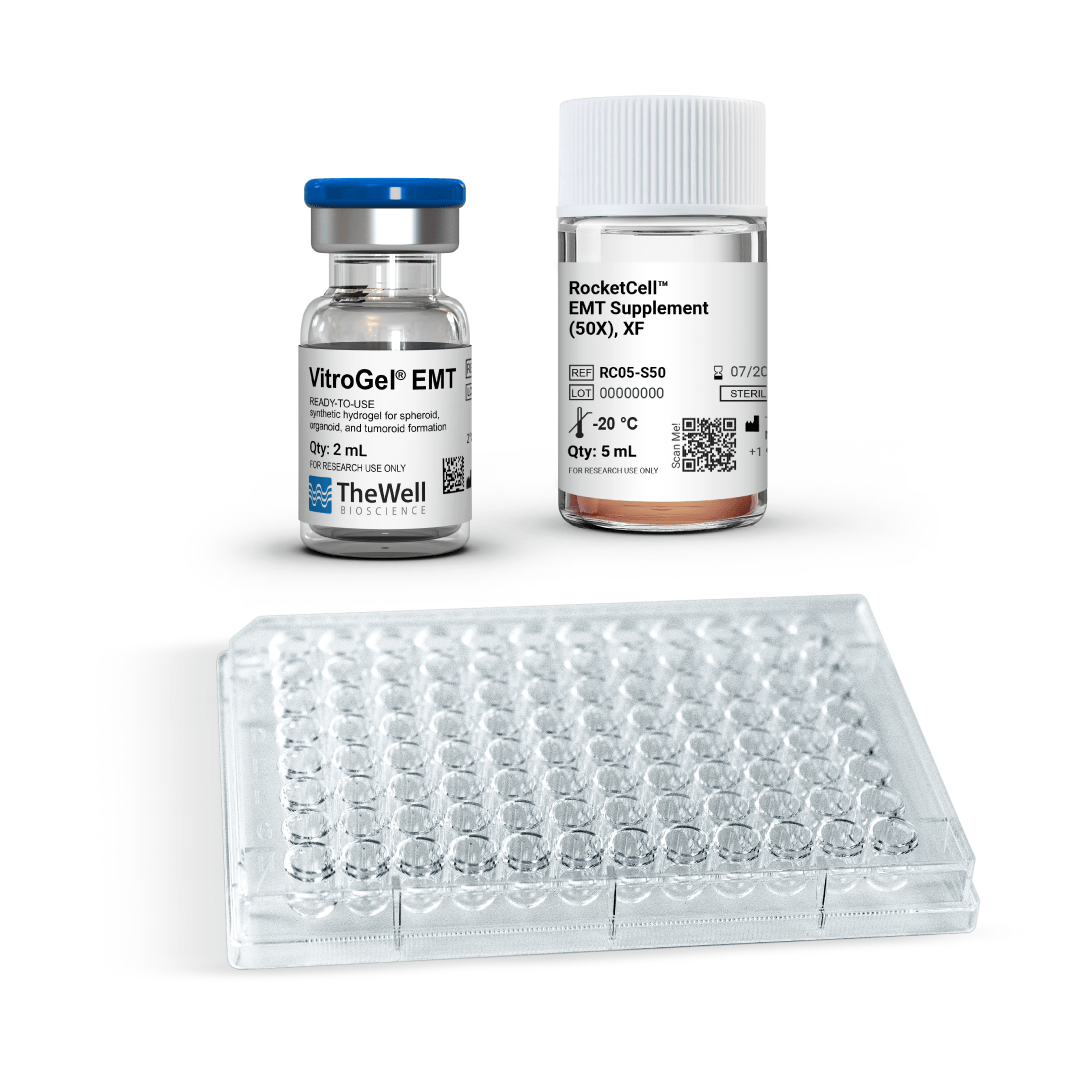
The kit features the ready-to-use and synthetic VitroGel® EMT hydrogel, RocketCell™ EMT Supplement (50X), XF. and VitroPrime™ Ultra-Low Attachment, U-Bottom, 96-Well Plate.
The VitroGel® Glioblastoma (GBM) EMT Kit, XF is designed to induce tumoroid formation from a single spheroid, generating a biologically relevant, well-organized tumoroid model for studying tumor progression, EMT dynamics, and therapeutic response in a preclinical setting.
VitroGel® Glioblastoma (GBM) EMT Kit, XF (VHM08-K)
Contents:
- 1 x 2 mL, VitroGel® EMT hydrogel
- 1 x 5 mL, RocketCell™ EMT Supplement (50X), XF
- 1 x VitroPrime™ Ultra-Low Attachment Plate, U-Bottom, 96-Well
VitroGel® Glioblastoma (GBM) EMT High-Screening Kit, XF
(VHM08-HK) Contents:
- 5 x 2 mL, VitroGel® EMT hydrogel
- 5 x 5 mL, RocketCell™ EMT Supplement (50X), XF
- 5 x VitroPrime™ Ultra-Low Attachment Plate, U-Bottom, 96-Well
Specifications
| Use | 3D Glioblastoma tumoroid formation for drug screening purposes |
| Formulation | Synthetic, chemically defined, biofunctional hydrogel and xeno-free supplement |
| Injectability | Injectable hydrogel for in vivo studies and lab automation |
| Operation | Ready-to-use at room temperature |
| Cell Harvesting | VitroGel® Organoid Recovery Solution 5-15 min cell recovery |
| Shipping and Storage | Hydrogel: Ships at ambient temperature. Store at 2-8°C. Supplement: Dry Ice shipping. Store at -20°C. |
Challenges We Solve

How VitroGel® GBM Xeno-Free EMT Kit
Common Challenges in 3D Tumoroid Generation

Lack of a robust 3D EMT tumoroid model to understand cancer metastasis

Hard to support a long-term
tumoroid cultures
Lack of a method to establish comprehensive tumoroid models from well-characterized cell lines

Difficult to adapt lab automation and high-throughput screening for large-sized 3D tumoroids
How VitroGel® GBM Xeno-Free EMT Kit
Solves The Issues

Induce a controllable EMT process for tumoroid formation
The unique combination of VitroGel® EMT hydrogel and RocketCell™ EMT supplement induces the epithelial-to-mesenchymal transition for glioblastoma cells.

Long-term Culture
Over 6 weeks of tumoroid maintenance for prolonged studies.
Simple, Fast, and Reliable
Establish tumoroid formation from well-established cell lines in less than a week with highly reproducible results.
Automation-friendly
Room temperature operation makes an easy transition to high-throughput platforms.
Protocols and Resources


Data and References

CASE 1
VitroGel® Hydrogel and Defined Supplement System Promotes Tumoroid Formation

Figure 1: GBM tumoroid development in VitroGel® EMT hydrogel system. U87-MG GBM cells (1 x 10⁶ cells/mL) were resuspended in basal medium with supplements. 20 µL of cell suspension was added to the VitroPrime™ Ultra-Low Attachment, U-Bottom, 96-Well Plate and incubated overnight at 37°C. VitroGel® EMT hydrogel was mixed with RocketCell™ EMT Supplement, XF in a 1:1 ratio, and 40 µL of the mixture was added to the cultures. The hydrogel was incubated at room temperature for 15 minutes. A 100 µL of basal medium with supplements was added on top of the hydrogels. In parallel, Matrigel was diluted 1:10 in basal medium supplemented with FBS. The cultures were incubated at 37°C. Tumoroid growth was monitored for 25 days and evaluated using a Zeiss microscope.
CASE 2
3D Tumoroid formation with the VitroGel® Glioblastoma (GBM) EMT Kit, XF
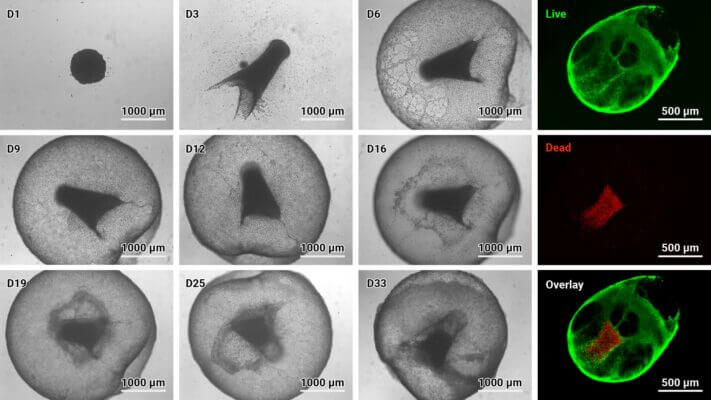
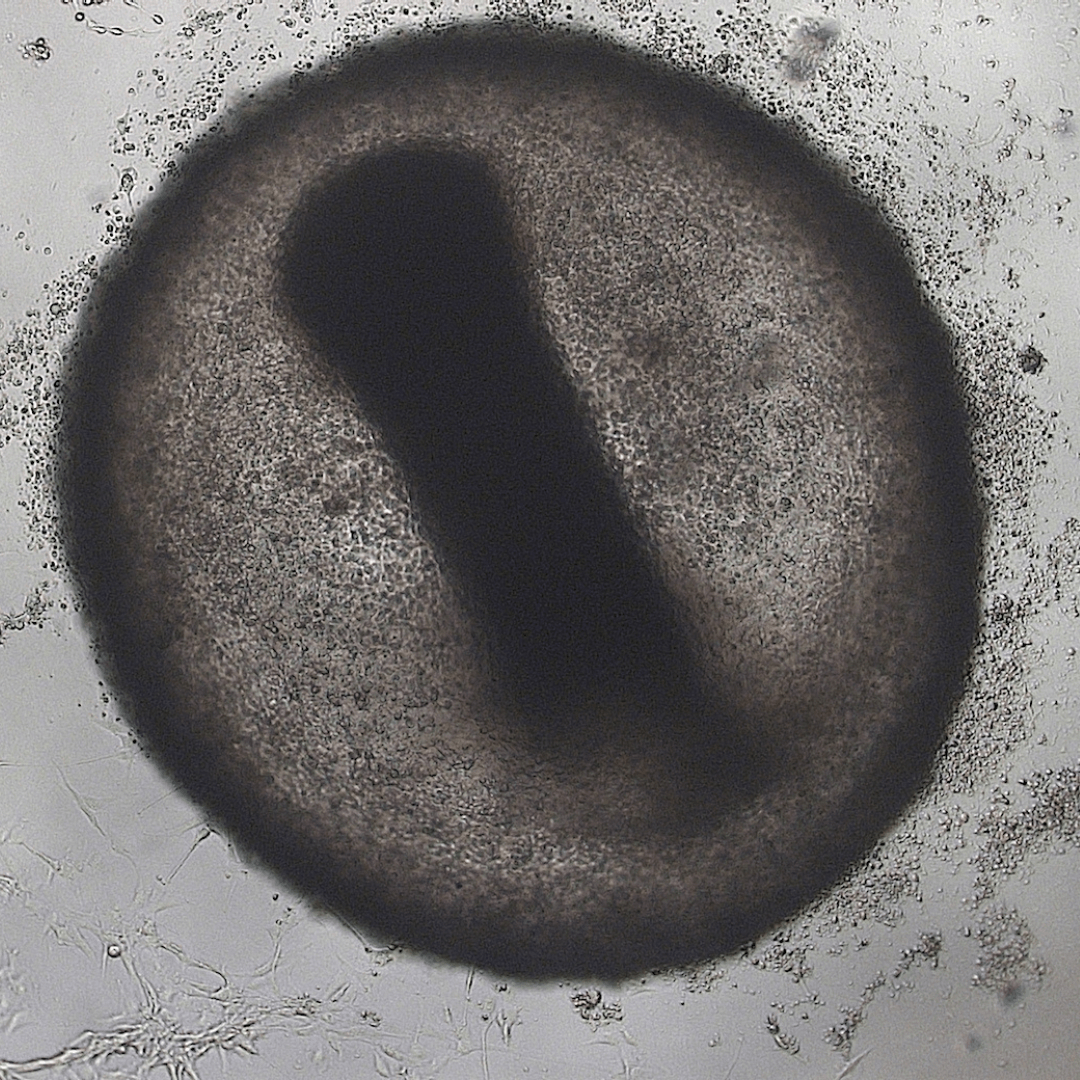
Figure 2: VitroGel® Glioblastoma EMT Kit, XF supports tumoroid formation.
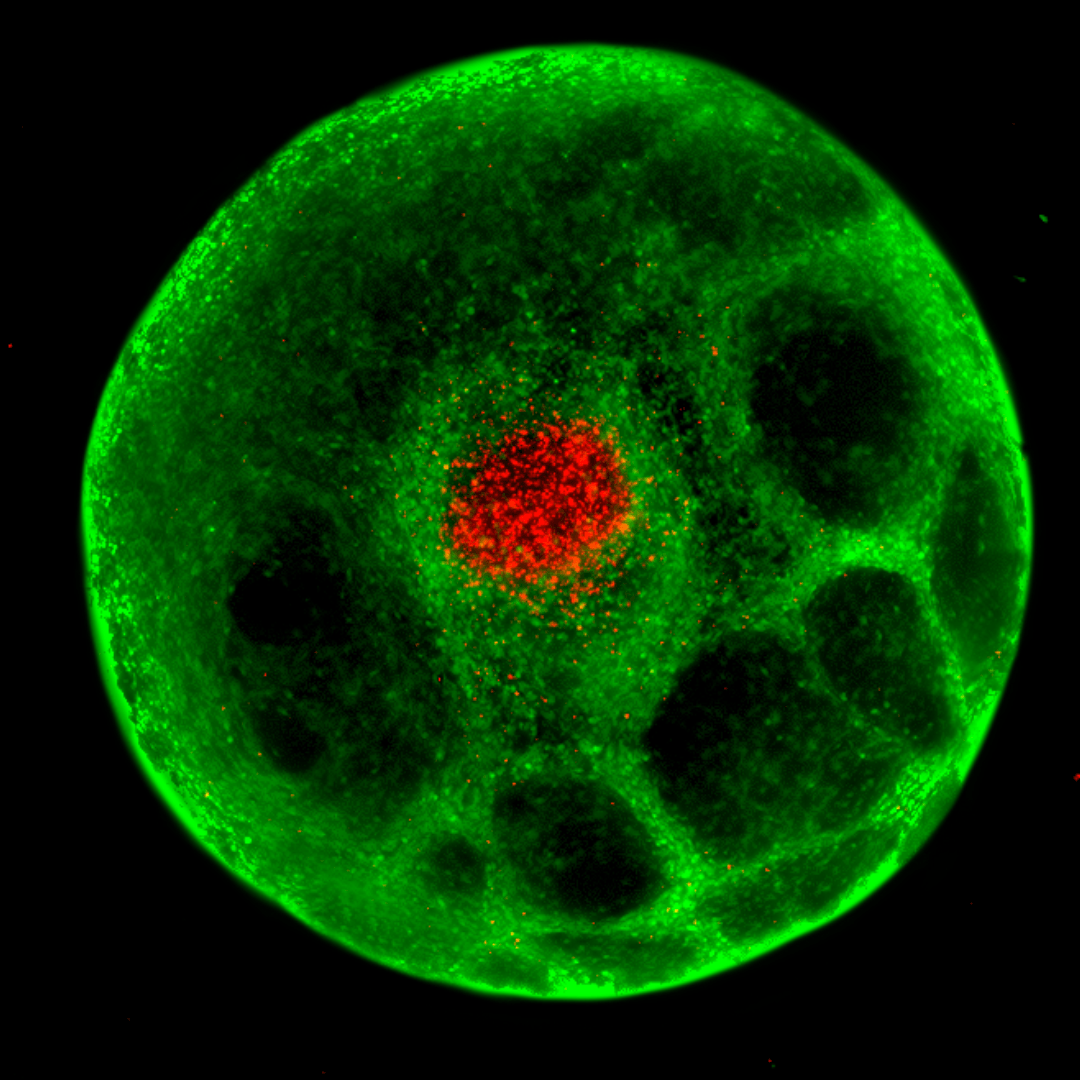
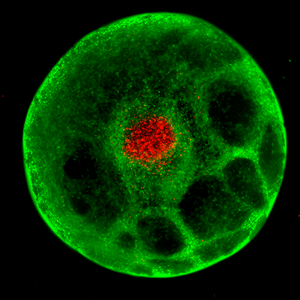
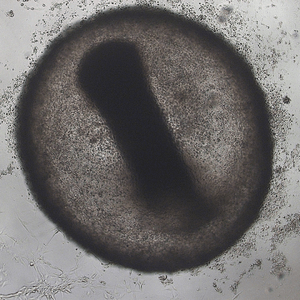
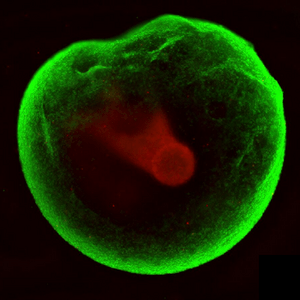
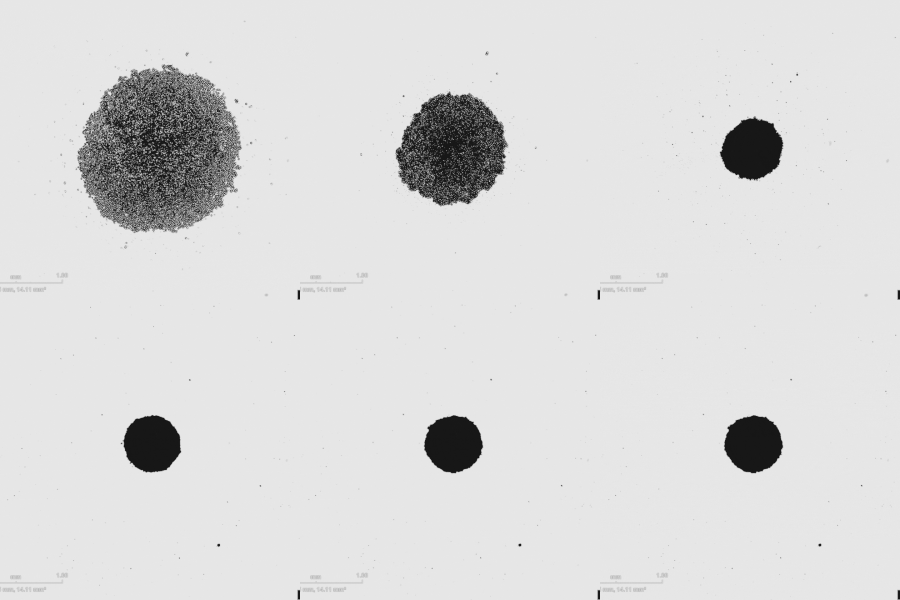
U87 MG cells were resuspended in basal medium supplemented with 1X RocketCell™ EMT Supplement, XF and seeded into the VitroPrime™ Ultra-Low Attachment Plate, U-Bottom, 96-Well, to promote overnight spheroid formation. The spheroids were supplemented with VitroGel® EMT and RocketCell™ EMT Supplement, XF to induce tumoroid generation. Light microscopy was performed multiple days to evaluate tumoroid growth over time (left). Cyto3D® Live-Dead Assay staining was performed on GBM tumoroids. Live cells within the tumoroid are shown as green and dead cells in red (right).
CASE 3
Evaluation Viability of GBM Tumoroids
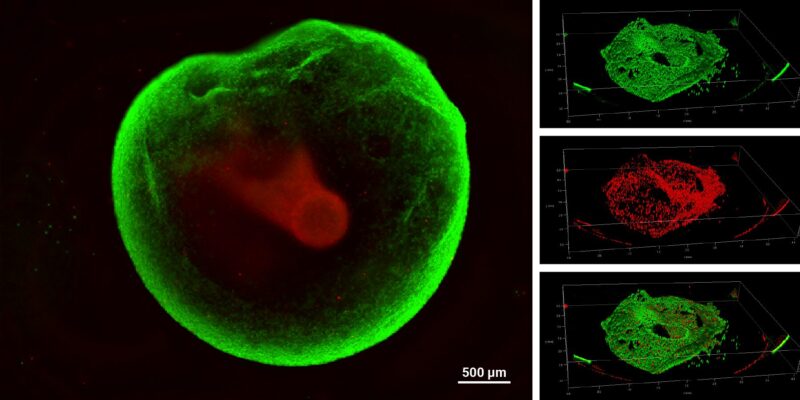
Figure 3: VitroGel® Glioblastoma EMT Kit, XF sustains tumoroid growth and viability.
GBM tumoroids were subjected to cell viability staining using Cyto3D® Live-Dead Assay Kit after six weeks in culture. Live cells within the tumoroid are shown in green, and dead cells are shown in red.
CASE 4
Tumoroids grown with the VitroGel® Glioblastoma Xeno-Free EMT Kit
as a Platform for Drug Screening
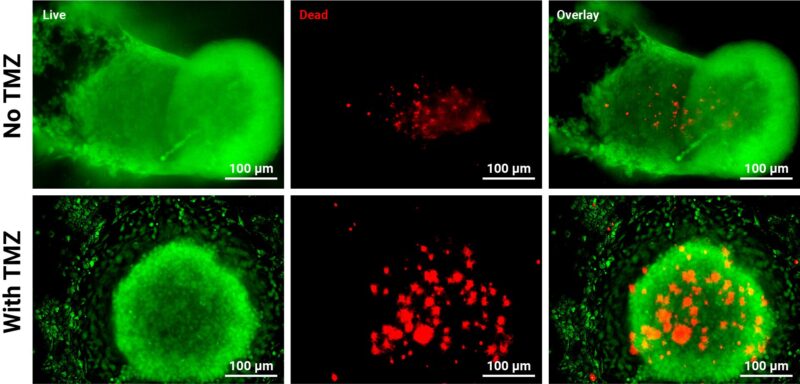
Figure 4: GBM tumoroids are susceptible to chemotherapy.
Tumoroids were grown for 3 days in VitroGel® EMT hydrogel with RocketCell™ supplement system. The tumoroids were treated with Temozolomide (TMZ; 1mM) for 24 hours and subjected to cell viability studies. The Cyto3D® Live-Dead Assay Kit was used to label live cells (green) and dead cells (red) in the tumoroid, both with and without drug treatment. The pictures were obtained at a 20X magnification.
CASE 5
Tumoroid Characterization: Evaluation of EMT Markers
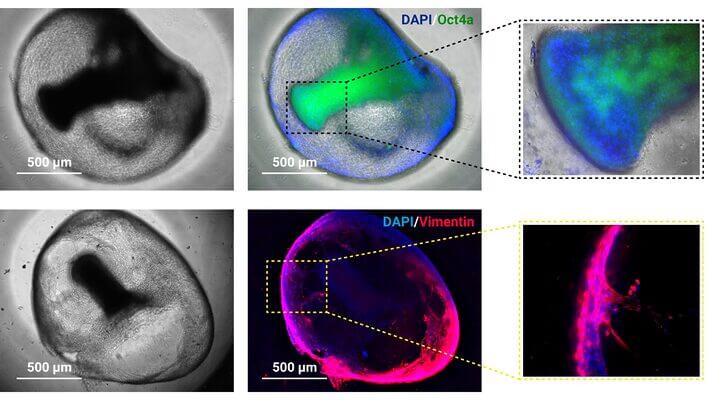
Figure 5. GBM tumoroids were grown for 3 weeks in VitroGel® Glioblastoma EMT Kit, XF.
Immunofluorescence staining was performed to evaluate the expression of cancer stem cell marker Octamer-4a (Oct4a; top, green) and vimentin, an EMT marker (bottom, red).
CASE 6
Evaluation of Viability of GBM Tumoroids
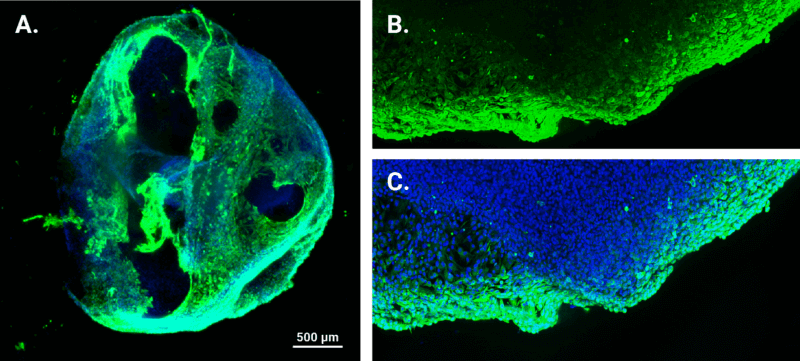
Figure 6: Assessing Vimentin expression, an EMT marker, in GBM tumoroids.
Immunofluorescence staining was employed on three-week-old tumoroids to examine Vimentin expression. The nuclei were stained with DAPI (blue), and vimentin was stained green. A. Representative image of tumoroid topology and size (4X magnification). B-C. Enlarged images of vimentin-positive regions obtained with a confocal microscope at 10X magnification.
CASE 7
VitroGel® EMT hydrogel and Xeno-Free Supplement Maintain Co-Culture Viability

Figure 7: Assessing the viability of GBM tumoroids and endothelial cells co-cultures after exposure to chemotherapy.
U87 cells and endothelial cells were combined in a 1:1 ratio and seeded onto the VitroPrime™ Ultra-Low Attachment, U-Bottom, 96-Well Plate to form spheroids. The next day, VitroGel® EMT hydrogel was supplemented with FBS or the Xeno-Free supplement and added to the spheroids to form tumoroids. The tumoroids were grown for 21 days and then subjected to TMZ (1mM) for 24 hours. After exposure, the Cyto3D® LiveDead Assay Kit was used to evaluate viability.
CASE 8
GBM Tumoroid and Endothelial Cell Co-Culture: Adding ECs after Spheroid Formation
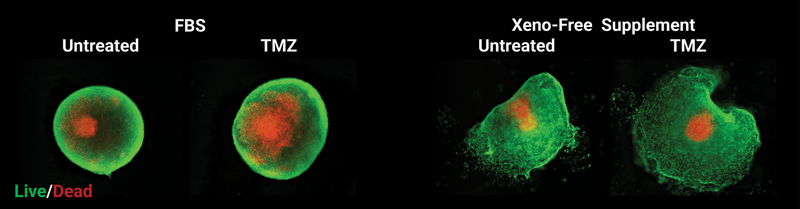
Figure 8. Co-culture model of GBM cells and Endothelial cells for drug-screening studies.
U87 cells were seeded onto the VitroPrime™ Ultra-Low Attachment, U-Bottom, 96-Well Plate for spheroid formation and incubated overnight. Next, VitroGel® EMT hydrogel was supplemented with FBS or Xeno-Free supplement and added to the spheroids for tumoroid formation. Then, endothelial cells were added on D1 to establish co-cultures. The tumoroids were grown for 21 days and then subjected to TMZ (1mM) for 24 hours, followed by viability assessment.
Resources

Enhance your EMT Culture
NEW
Hydrogels - Ready-To-Use
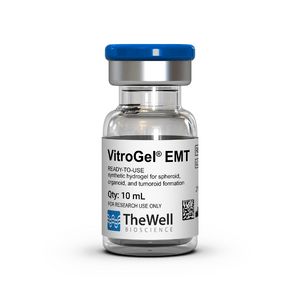
Ready-to-use, synthetic, chemically defined hydrogel that supports spheroid formation, tumoroid culture, and uniquely enables EMT biology Full xeno-free EMT kit available. Click here
3D Culture Vessels
Premium U-bottom cell culture plate for 3D spheroids.


3D Culture Vessels
Unique surface treated for superior hydrogel spreading, adherence, and uniform surface.
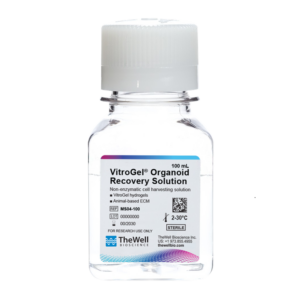
Cell Harvesting Solution
Chemically defined, non-enzymatic cell harvesting solution to recover cells/organoids from hydrogel or an animal-based ECM within 15 minutes.

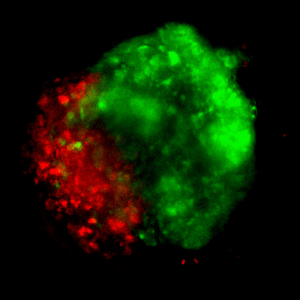
Downstream Cell Analysis
Fast (15 min), versatile, live/dead cell viability analysis for 3D and 2D cell culture.
| Product Format | Standard Kit, High-Screening Kit, Supplement Only |
|---|
Related products
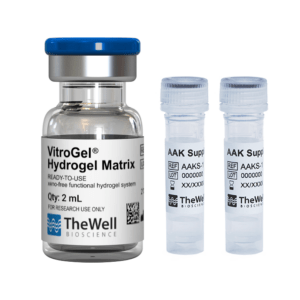
Angiogenesis Assay Kits
ready-to-use, hydrogel system for 2D gel coating and 3D culture of angiogenesis tube formation, invasion, and animal injection.
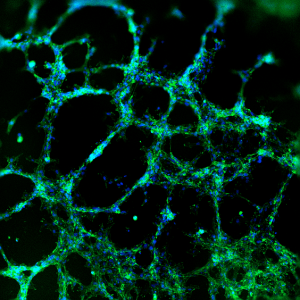
Angiogenesis Assay Kits
Tunable hydrogel system for 2D gel coating and 3D culture of angiogenesis tube formation, invasion, and animal injection.
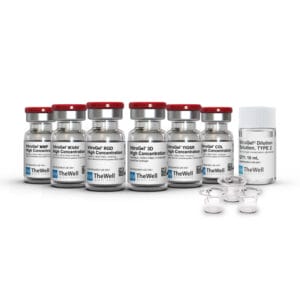
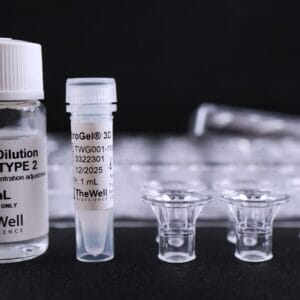
Xeno-free hydrogel system for consistent study of cell invasion. Kit includes choice of tunable functionalized hydrogel, 10mL VitroGel® Dilution Solution TYPE 2, and VitroPrime™ Cell Culture Inserts, 8 µm.
Assay Kits
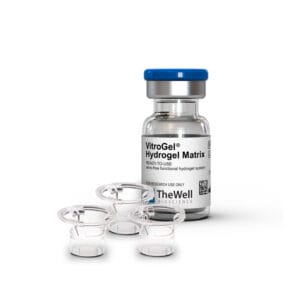
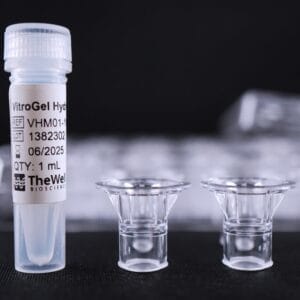
A simple and easy replacement for animal-based ECM for consistent cell invasion studies. This kit includes the VitroGel® Hydrogel Matrix with VitroPrime™ Cell Culture Inserts, 8 µm, PET