Protocols and Resources
 RocketCell™ Organoid Xeno-Free Essential-Core Medium – Protocol
Product Documentation
RocketCell™ Organoid Xeno-Free Essential-Core Medium – Sale Sheet
Product Data Sheet

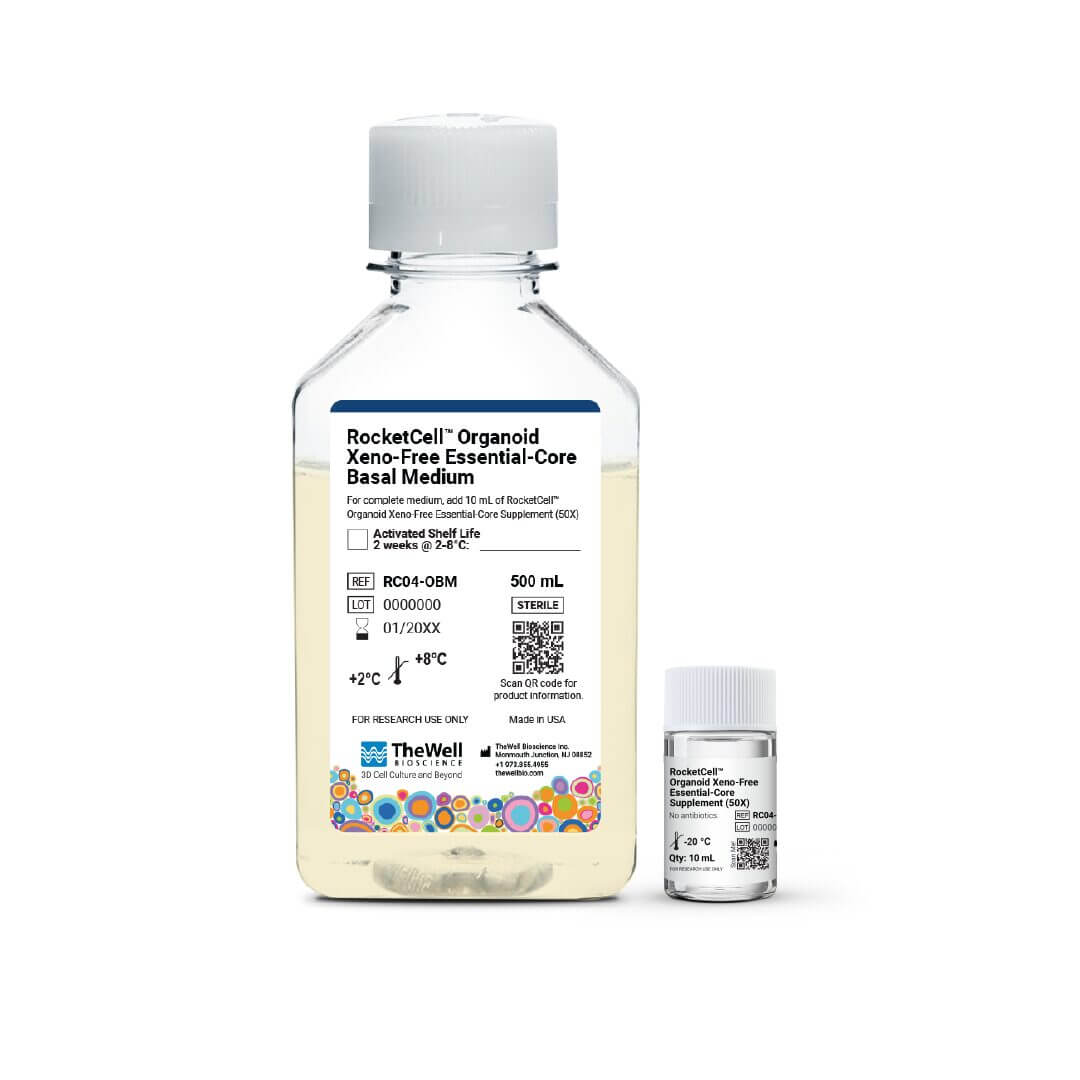
Advanced xeno-free essential core medium for organoid development that eliminates the need for supplemental additives such as N2 and B27.
Available on backorder
$329.00
One Core Medium. Endless Organoid Possibilities.
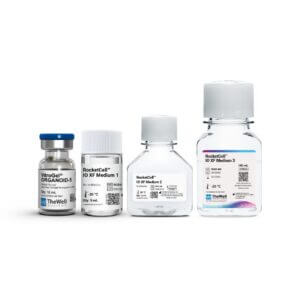
The RocketCell™ Organoid Xeno-Free Essential-Core Medium Kit (TheWell
Bioscience, Cat# RC04-OCM) is a standardized, chemically defined foundation medium designed to simplify and unify organoid culture workflows. This ready-to-use kit serves as a fundamental medium that provides all essential nutrients and is flexible, allowing direct mixing with growth factors and signaling molecules to support various types of organoid development. It eliminates the need for conditioned media preparation or complex multi-component media and supplement mixing.
This advanced Essential-Core formulation replaces multiple supplementation steps (such as N2/B27) with a single, defined system. Researchers can generate customized, organoid-specific media simply by adding the desired growth factors and signaling molecules.
Developed to support long-term expansion, high post-passaging viability, and reproducible outcomes, RocketCell™ Essential-Core Medium establishes a flexible, xeno-free platform for diverse organoid systems in both synthetic and animal-derived hydrogels. This medium supports organoids from different sources and can also serve as a flexible base for formulating differentiation media tailored to the developmental stages of iPSC-derived organoids. By providing a unified and consistent core formulation, this kit enables the establishment of standardized, reproducible workflows for organoid culture across research, translational, and industrial settings.
Kit Contents:
| Use | For Organoid Cultures |
| Cell Harvesting | VitroGel® Organoid Recovery Solution 5-15 min cell recovery |
| Shipping and Storage | Basal Medium: Ships with ice pack. Store at 2-8°C. Supplement: Ships with dry ice. Store at -20°C. |
RocketCell™ Organoid Xeno-Free Essential-Core Medium – Protocol
RocketCell™ Organoid Xeno-Free Essential-Core Medium – Sale Sheet
Product Data Sheet
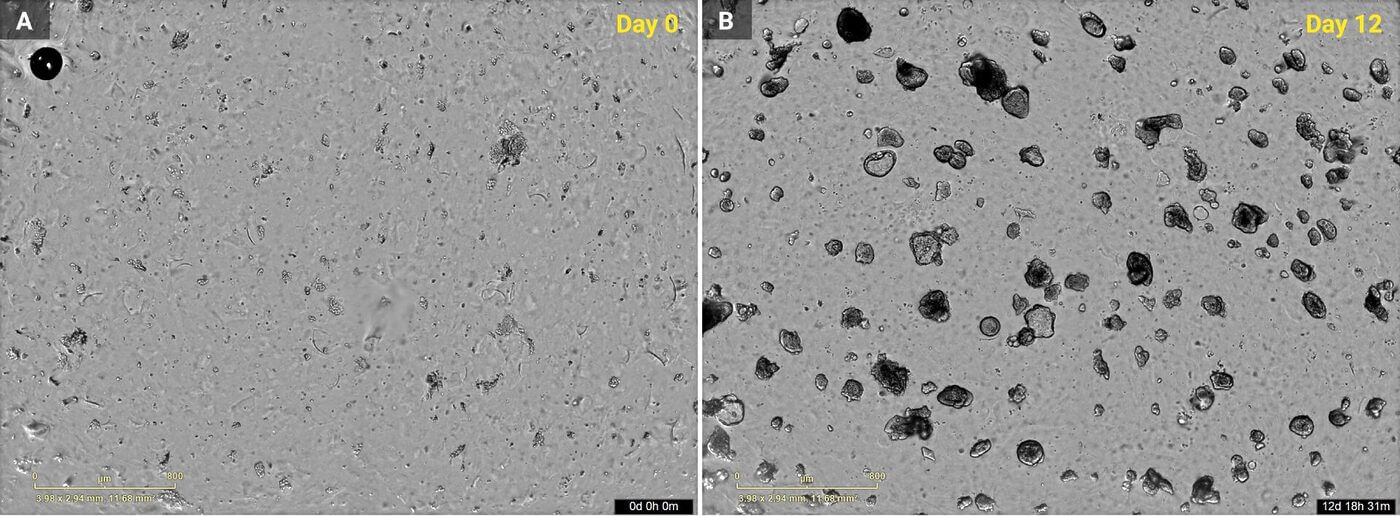
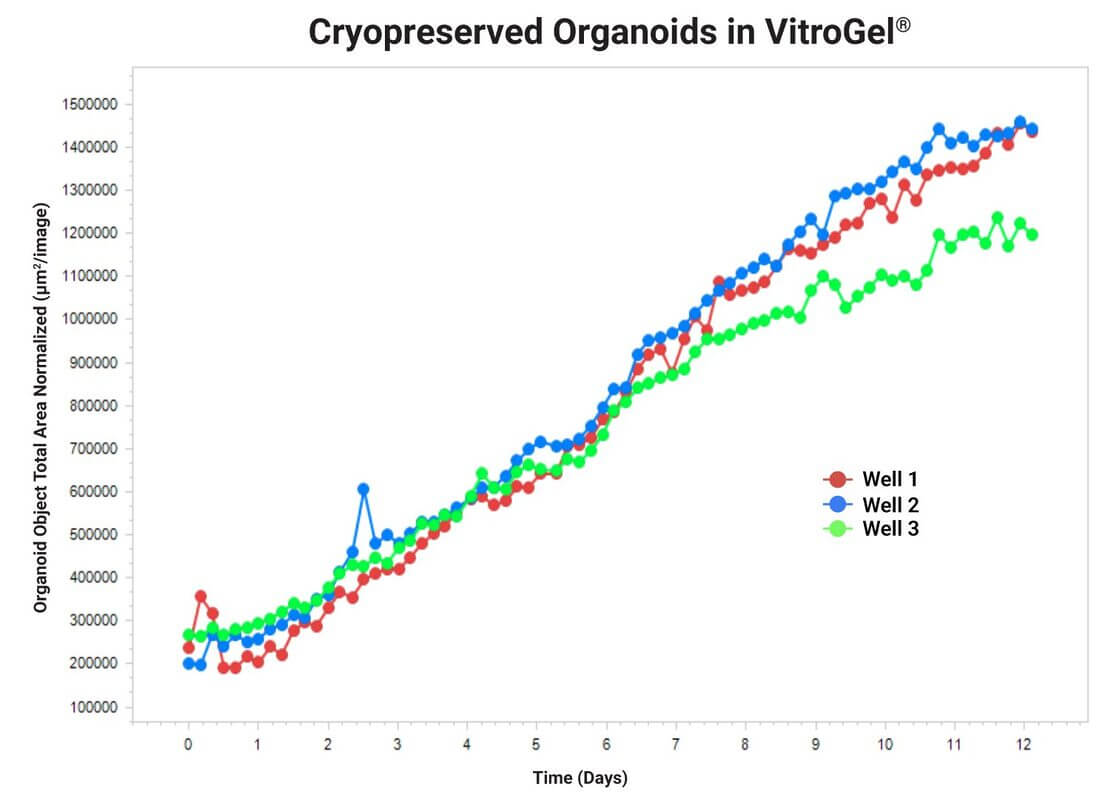
Figure 1: Use of RocketCell™ Organoid Xeno-Free Essential-Core Medium in Generating Mouse Intestinal Organoid.
RocketCell™ Organoid Xeno-Free Essential-Core Medium was prepared according to the manufacturer’s instructions. The medium was then supplemented with intestinal organoid–specific growth factors (e.g., Wnt pathway agonists, EGF, Noggin, and R-spondin) as required. The resulting complete medium was used in combination with VitroGel® ORGANOID hydrogel to support intestinal organoid formation, growth, and maintenance. (A) Organoids (VitroGel® passaged) fragments cultured in VitroGel® ORGANOID: Day 0. (B) Mouse intestinal organoids were maintained in intestinal organoid media prepared using RocketCell™ Organoid Xeno-Free Essential-Core Medium. Organoid growth after 12 days. (C) Normalized mouse intestinal organoid area from day 0 to day 12: 3 wells. Note: Only well 1 set of results is included.
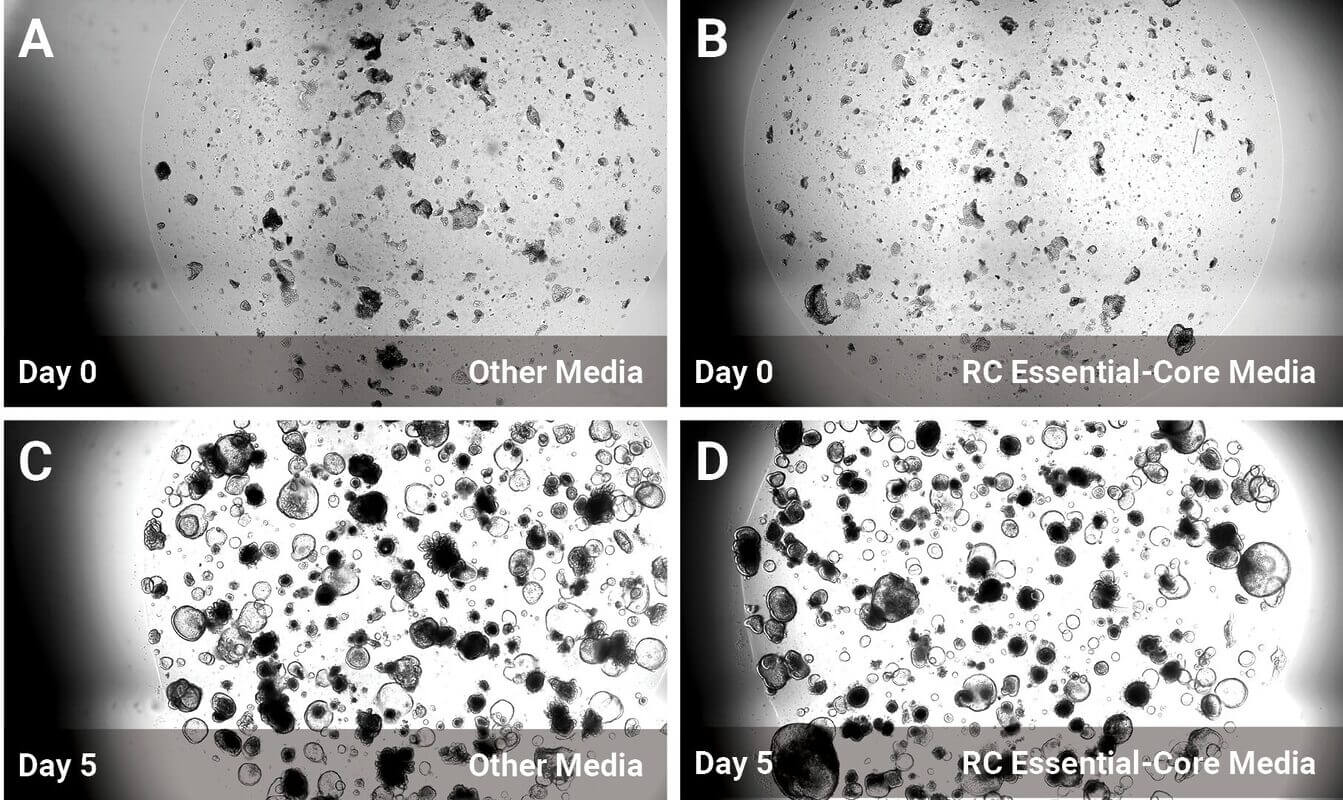
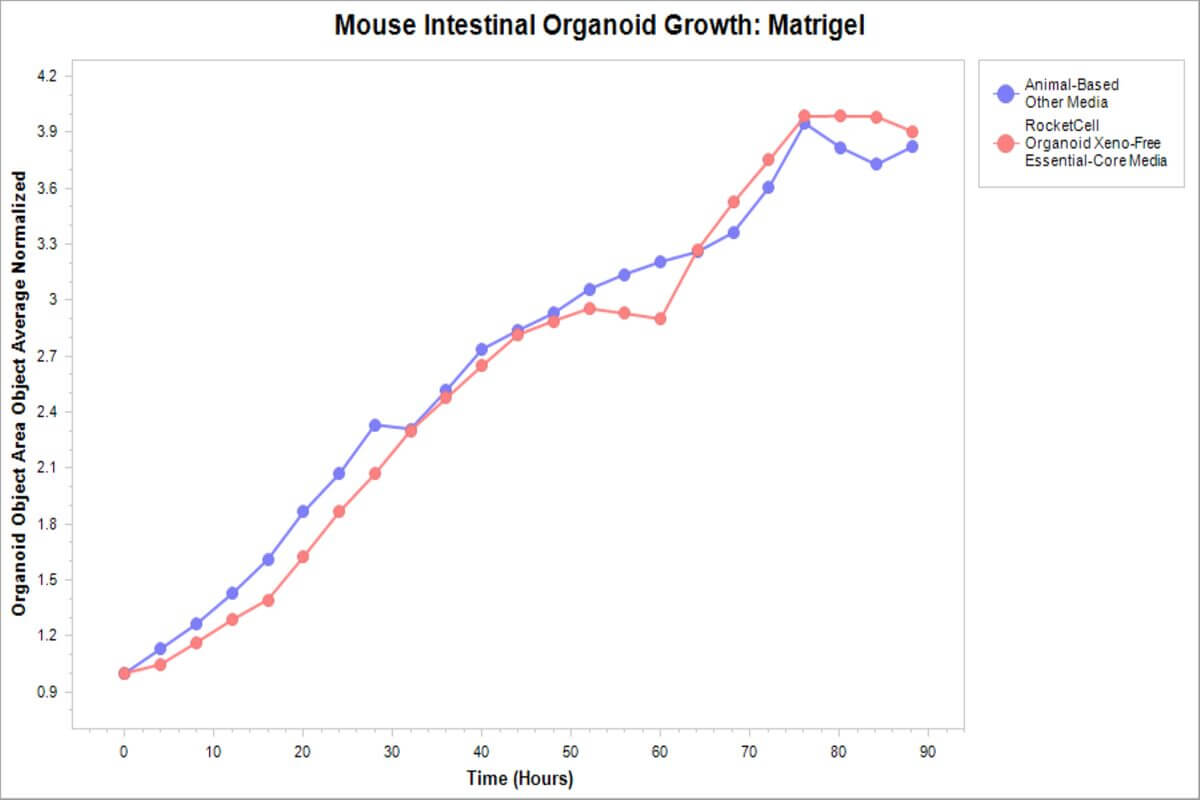
Figure 2: RocketCell™ Organoid Xeno-Free Essential-Core Medium for Generating Mouse Intestinal Organoid (MIOs).
RocketCell™ Organoid Xeno-Free Essential-Core Medium (50×) was prepared according to the manufacturer’s instructions. The medium was then supplemented with intestinal organoid–specific growth factors. The resulting complete medium and another commercially available organoid medium were combined with Matrigel® hydrogel to support intestinal organoid formation, growth, and maintenance. (A & C) Organoids fragments cultured in Matrigel® with Medium G at day 0 and day 5; (B & D) MIOs cultured in intestinal organoid media prepared using RocketCell™ Organoid Xeno-Free Essential-Core Medium at day 0 and day 5. (E) Comparison of normalized mouse intestinal organoid area from day 0 to day 5 in Medium G and RocketCell™ Organoid Xeno-Free Essential-Core Medium.

iPSC-derived intestinal organoids cultured and stained in VitroPrime™ 3D Culture and Imaging Plate.
The entire xeno-free workflow—from cell culture to imaging—was performed directly on the VitroPrime™ 3D Culture and Imaging Plate, without removing cells or organoids from the wells. iPSCs were initially cultured in VitroGel® STEM to form spheroids and subsequently differentiated into intestinal organoids using CytoGrow™ growth factors. RocketCell™ Organoid Xeno-Free Essential-Core Medium was used to ensure optimal organoid growth. Matured intestinal organoid was fixed, stained, and imaged using a Leica Mica confocal microscope. (A) DAPI staining (blue) indicates cell nuclei; (B) Phalloidin staining (yellow); (C) Villin protein staining (magenta); and (D) merged image.
Cell Culture Medium (Xeno-Free)
All-in-one, ready-to-use kit for 3D and 2D neural stem cell culture
Cell Culture Medium (Xeno-Free)
Xeno-Free complete medium for 3D and 2D neural stem cell culture
Cell Culture Medium (Xeno-Free)
High-performance, chemically-defined kit for superior expansion of human mesenchymal stem cells (hMSC)
Cell Culture Medium (Xeno-Free)
Xeno-free medium for 2D and 3D expansion of pluripotent stem cells
Cell Culture Medium (Xeno-Free)
An all-in-one xeno-free kit with optimized matrix, medium, and reagents for 3D iPSC expansion.
Cell Culture Medium (Xeno-Free)
All-in-one, xeno-free kit for growth expansion and passaging of intestinal organoids.