

End-to-End Integration and Automation-Friendly
No sample transfer means no sample loss
New
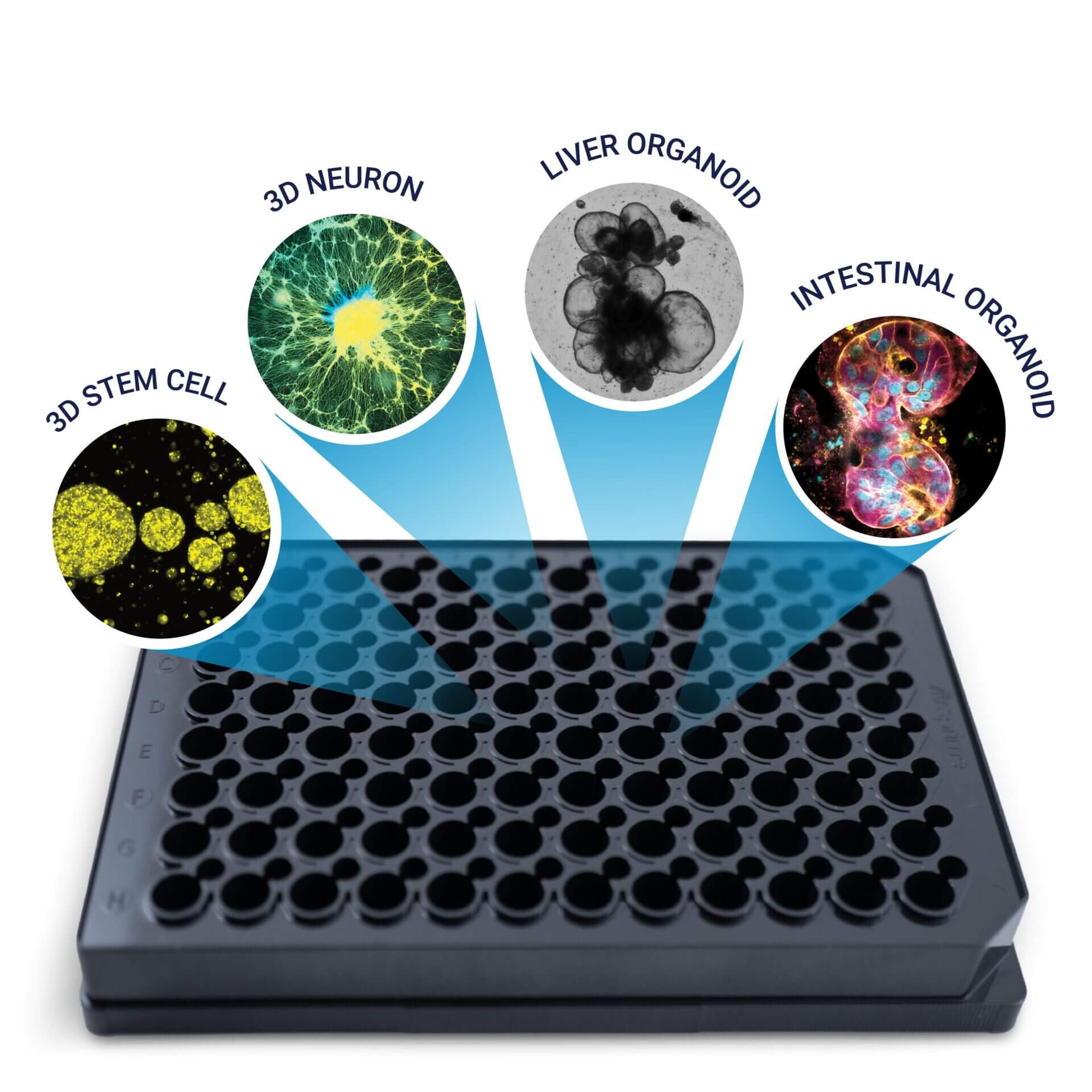




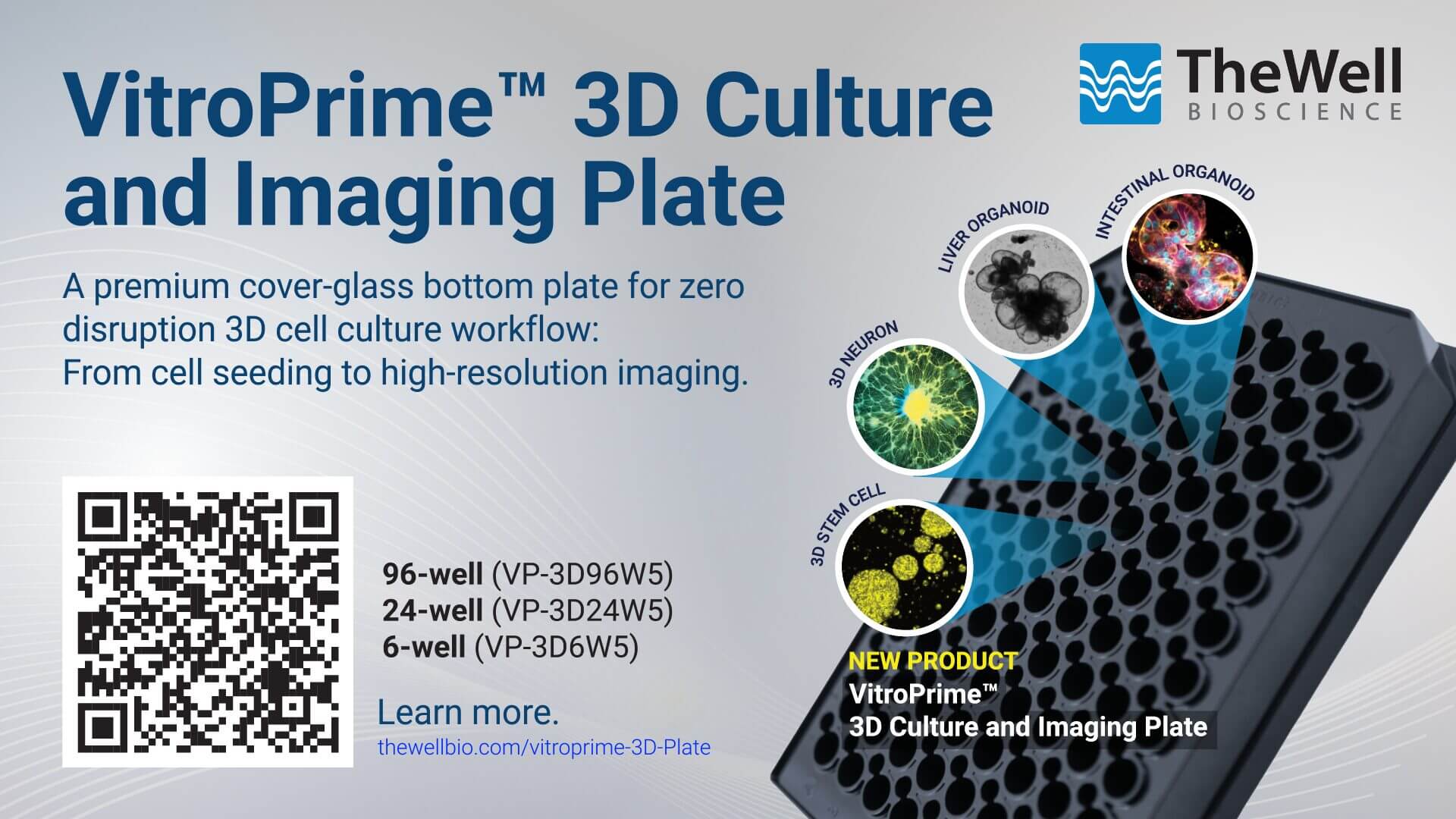
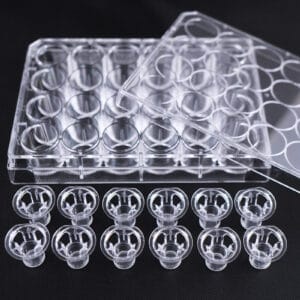
VitroPrime™ 3D Culture and Imaging Plate
A premium cover-glass bottom plate for zero sample disruption 3D cell culture workflow: from cell seeding to high-resolution imaging.
 3D Culture and Imaging Plate
Premium 3D cell culture plate featuring a unique media-exchange channel and “sample-locking” technology, combined with an ultra-clear, premium cover-glass bottom, enabling a zero-disruption 3D cell culture workflow.
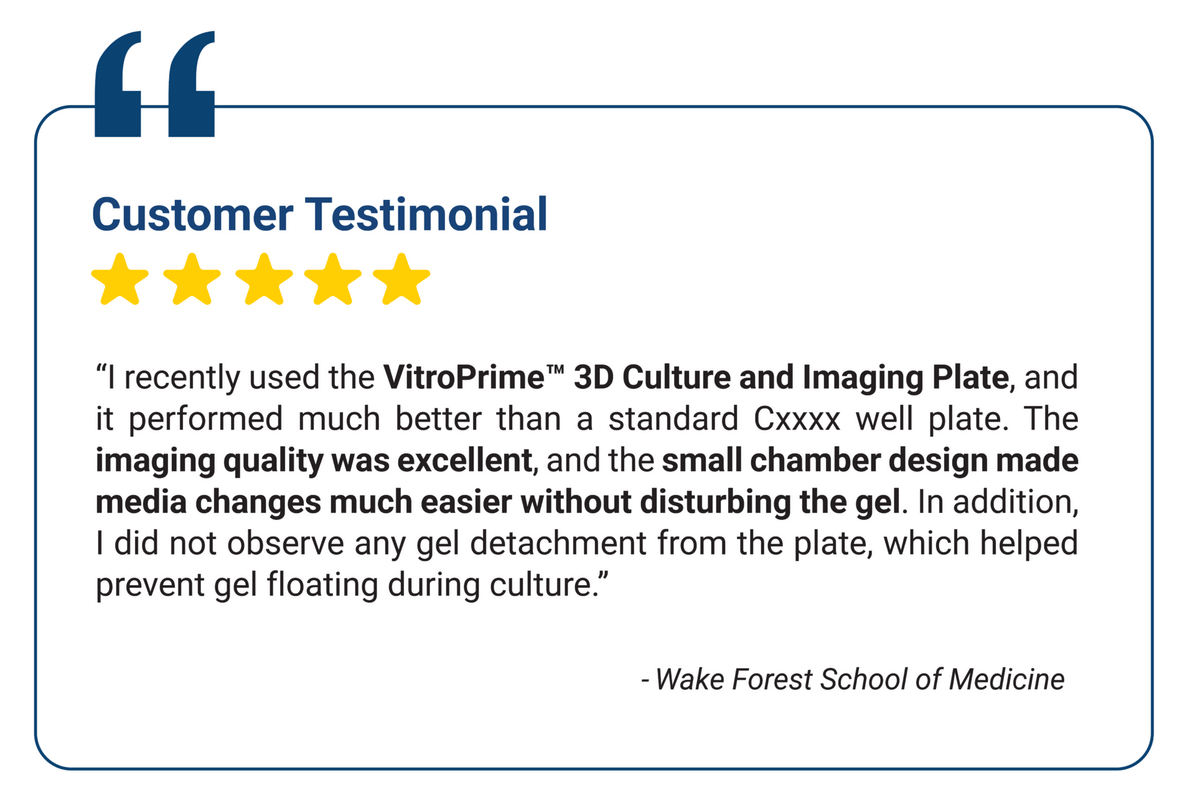
VitroPrime™ 3D Culture and Imaging Plates are specifically designed to address common challenges in 3D hydrogel culture. Engineered with a built-in retention compartment that keeps the gel firmly in place, preventing floating and rotation for stable imaging and accurate tracking. By allowing culture, media changes, washing, staining, and imaging to be performed in a single vessel, VitroPrime™ 3D Culture and Imaging Plate reduces sample loss, protects delicate 3D structures, simplifies handling, and supports automation-friendly workflows.
This product is fully compatible with animal-based ECM.
Anti-Floating & Anti-Rotation Technology for Cell Tracking
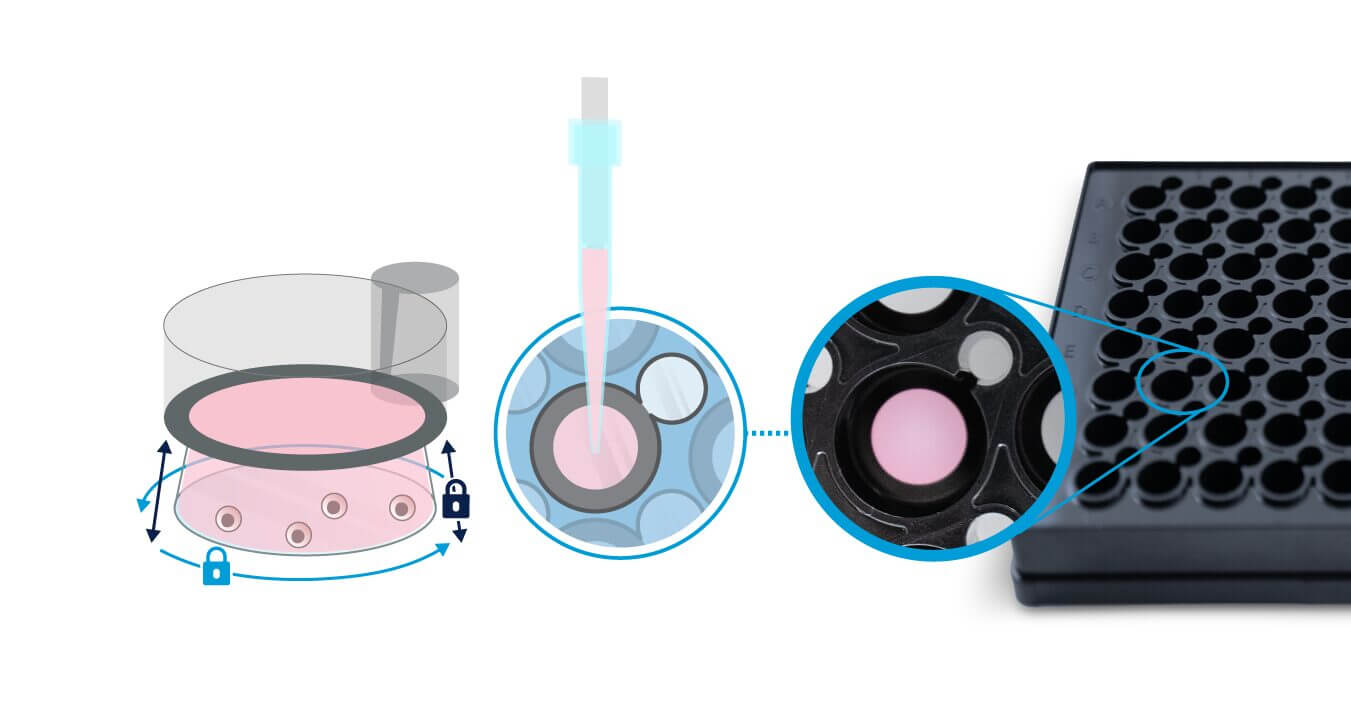
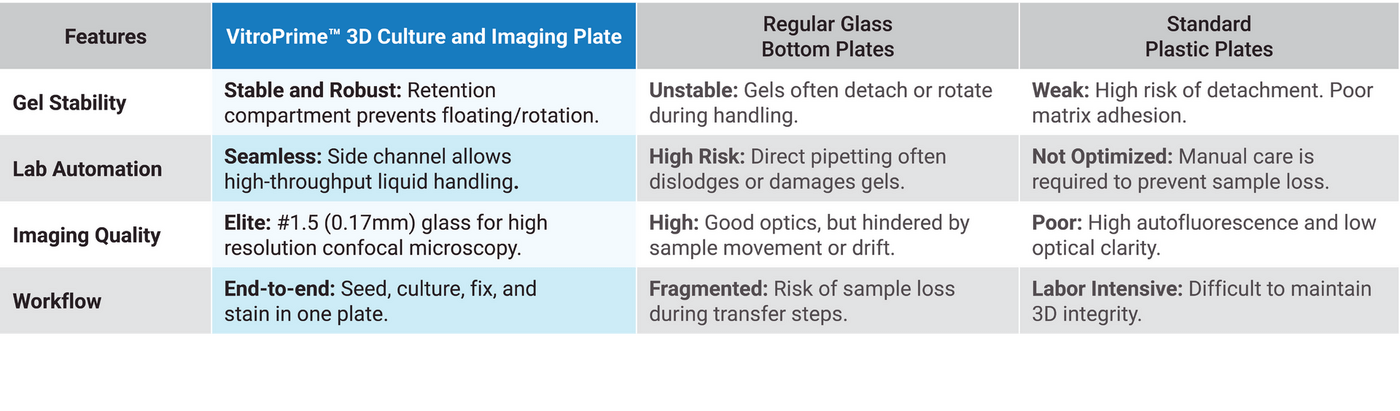
Unlike standard plates, which can cause gels to detach, the VitroPrime™ 3D Culture and Imaging Plate securely anchors the gel with a built-in retention compartment. This prevents gel floating or rotation, keeping organoids stable for reliable live-cell imaging and long-term tracking.
Zero Sample-Disruption Medium Exchange
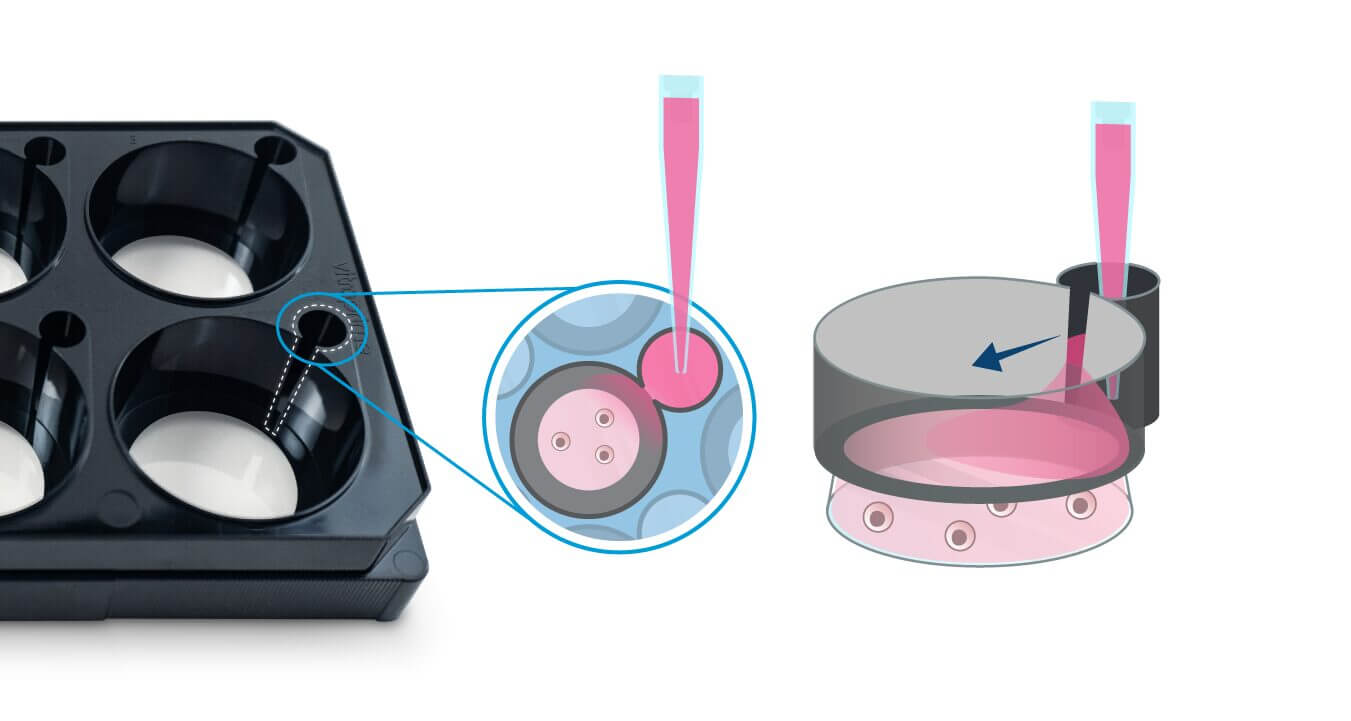
Each well includes a lateral medium-exchange channel that protects the delicate 3D environment. Nutrients and reagents diffuse gently without disturbing the hydrogel, enabling automated, high-throughput media changes, fixation, and staining—without risking damage to the 3D matrix.
Cover-Glass Bottom for Elite Optical Performance
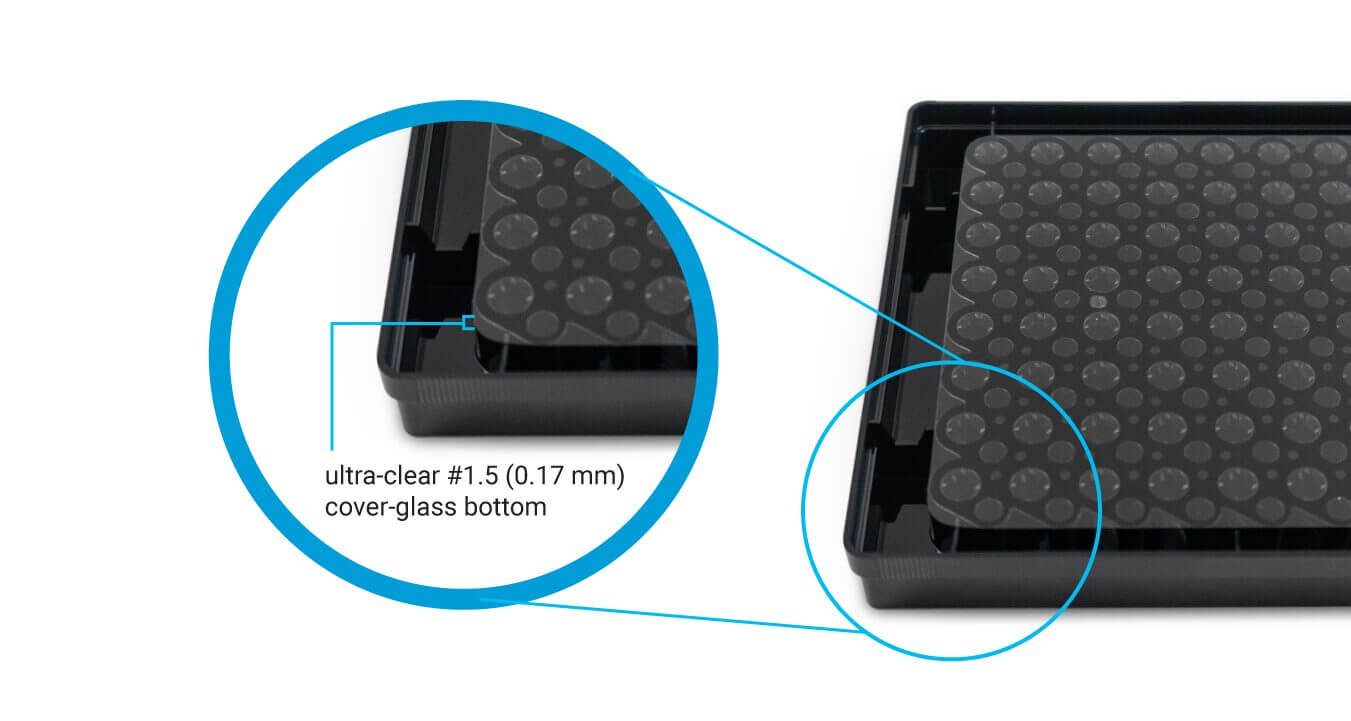
The VitroPrime™ 3D Culture and Imaging Plate uses an ultra-clear #1.5 (0.17 mm) cover-glass bottom for superior imaging. It maximizes light transmission, minimizes auto-fluorescence, and delivers high-resolution images. Ideal for confocal microscopy, immersion objectives, and high-content screening.
Complete “In-Plate” Workflow with No Sample Loss

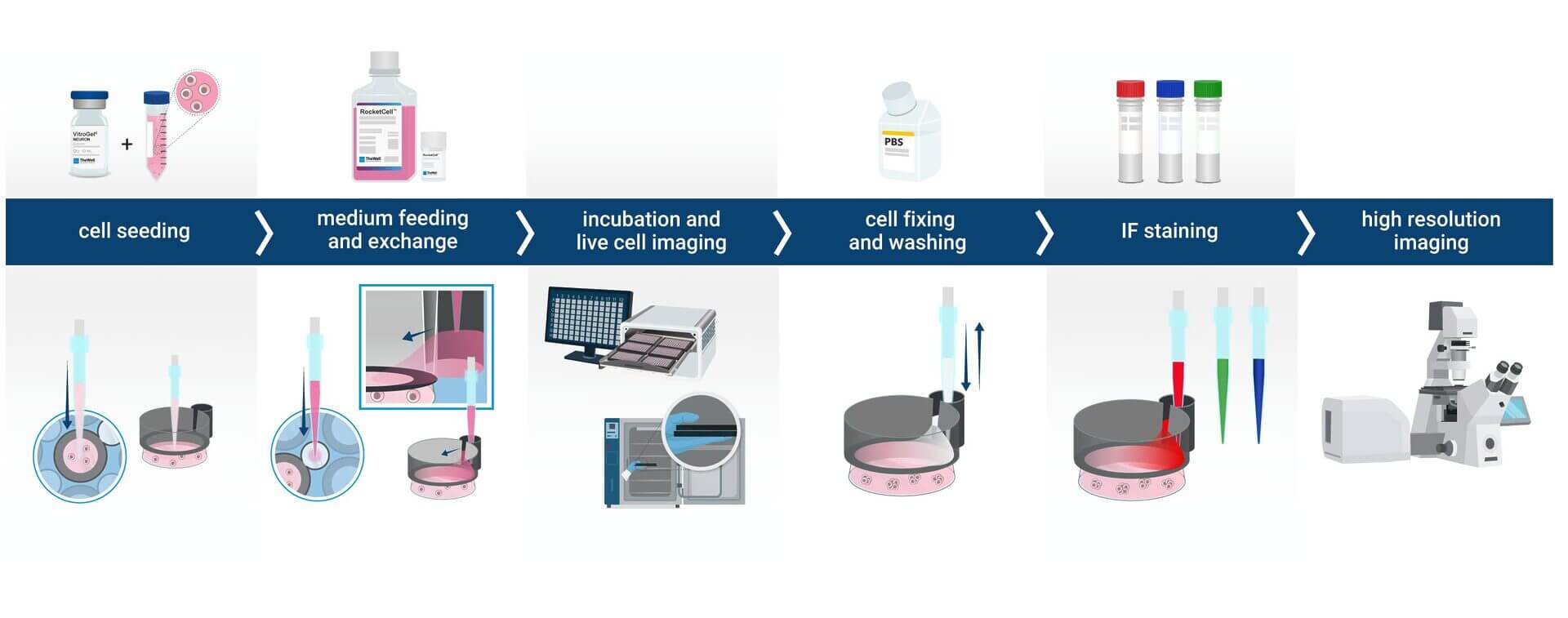
VitroPrime™ 3D Culture and Imaging Plates are premium culture plates engineered to streamline end-to-end 3D cell culture workflows — without removing or disturbing the sample. From cell embedding and matrix polymerization to long-term culture, immunofluorescence (IF) staining, and high-resolution imaging, every step is performed within a single, integrated platform. This minimizes sample loss and delivers consistent, highly reproducible results.
Challenges We Solve


Common Challenges when Using Regular Cell Culture Plates

Unstable and Weak Gel Attachment
High risk of detachment causes gel floating and rotation, making imaging and tracking difficult.

Disruptive Medium Exchange
Precious samples are at risk of being lost during media changes. Direct pipetting often dislodges or damages gels.

Labor-intensive and Fragmented Workflow
Multiple vessel transfers during washing and staining increase handling steps.

Poor Image Quality
Optics are hindered by sample movement.
High-autofluorescence cause low optical clarity.

Not Optimized for Automation
Limited compatibility with automated workflows.
VitroPrime™ 3D Culture and Imaging Plate Advantages
Anti-Floating & Anti-Rotation Technology
The integrated hydrogel retention compartment ensures the matrix stays securely anchored. No more lost samples during medium changes or “drifting” objects during time-lapse imaging.

Disturbance-Free Medium Exchange
A separate, dedicated channel allows for the smooth diffusion of nutrients and reagents without the risk of aspirating or disrupting the 3D hydrogel structure.
End-to-End Workflow Integration
Supports a complete “in-plate” workflow: embedding, polymerization, long-term culture, fixation, and IF staining. No sample transfer means no sample loss.

Elite Optical Clarity
The premium #1.5 cover-glass bottom provides maximum light transmission and minimal auto-fluorescence, optimized for high-resolution confocal and immersion-objective imaging.

Automation Ready
Fully compatible with automated liquid-handling systems and high-content imaging (HCI) platforms.
Specifications
Material Polstyrene molding and #1.5 (0.17 mm) Ultra-clear glass bottom
Plate Format 6-well, 24-well, 96-well
Well Profile • Flat bottom
• Optimized compartment for hydrogel retention
• Dedicated lateral medium-exchange channel
Sterilization Gamma Radiation
Other Data DNase/RNase-free, non-pyrogenic, Treated
Shelf Life 15 months
Data and References
End-to-End Workflow Integration & Disturbance-Free Medium Exchange
Anti-Floating and Anti- Rotation Technology Case 1:
Engineered with Mechanical Anchoring to Prevent Gel Floating and Rotation in Liver Organoids for Long-Term Tracking

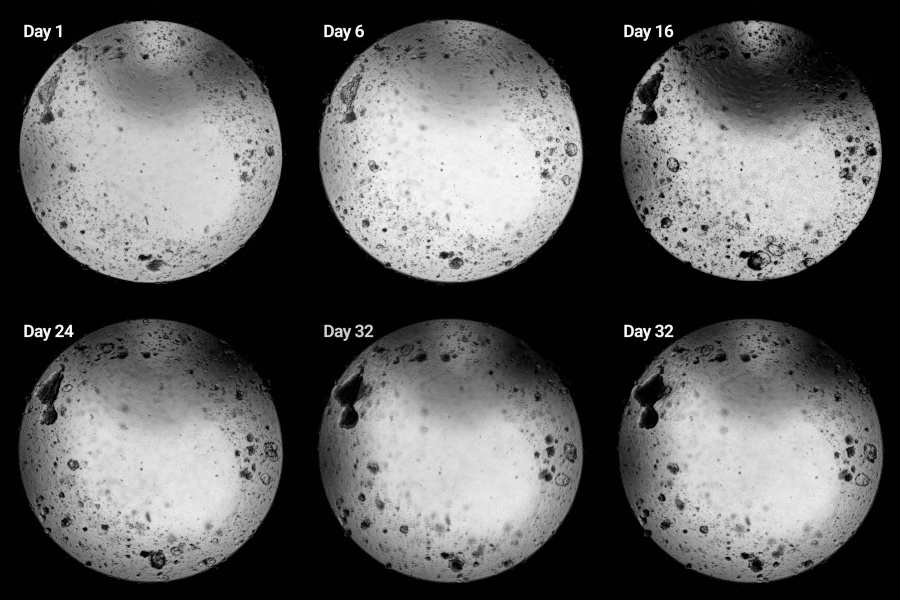
Fig 1. Tracking the liver organoid culture for over 30 days on VitroPrime™ 3D Culture and Imaging Plate.
(A-E) Images show liver organoid growth over 30 days in VitroGel® ORGANOID 5 in VitroPrime™ 3D Culture and Imaging Plate (96-well plate). No
hydrogel floating or rotation during the 32-day tracking period.

Elite Optical Clarity Case 1:
Live-Dead Staining of iPSCs Grown in VitroGel® STEM ( No wash protocol)
A

B

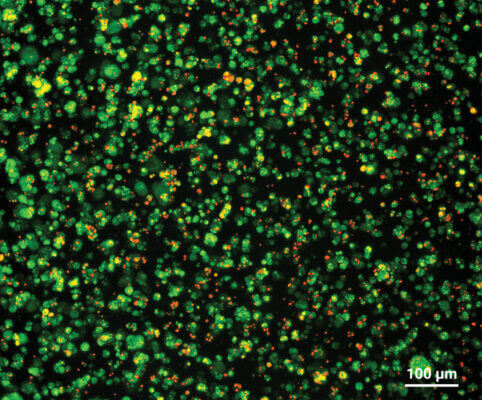
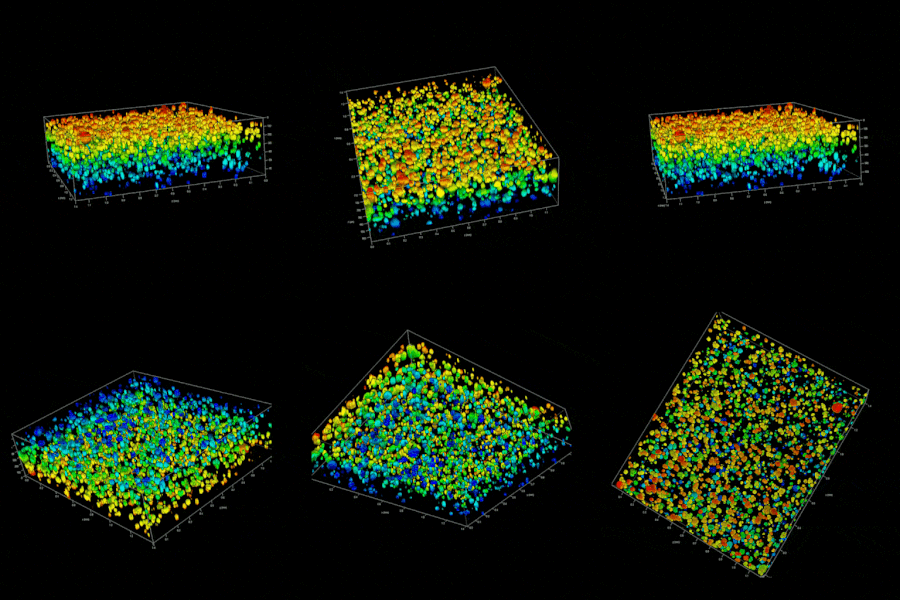
Fig 3. Cyto3D® Live-Dead Assay for Monitoring the Health of IPSC (HFF-1VL, TheWell Bioscience) Grown in RocketCell™ 3D iPSC Complete Growth Kit, AOF
IPSCs (100k/well) from 2D sources were plated in a 24-well, VitroPrime™ 3D Culture and Imaging Plate. After 7 days, the medium was removed and replaced with media containing a 1:50 dilution of the Cyto3D® Live-Dead Assay solution. After 30 min, the well was imaged on a Leica MICA confocal microscope (A, B). The rendered image (B) is 600 microns deep, with a tiled field approximately 1.4 mm x 1.1 mm. The data also demonstrate that the Cyto3D® protocol does not require any wash steps and can expedite imaging protocols used to assess the vitality of live cultures.
Elite Optical Clarity Case 2:
Live EpCAM Cell Surface Immunostaining of IPSCs Grown in VitroGel® STEM
(Confocal Microscopy)
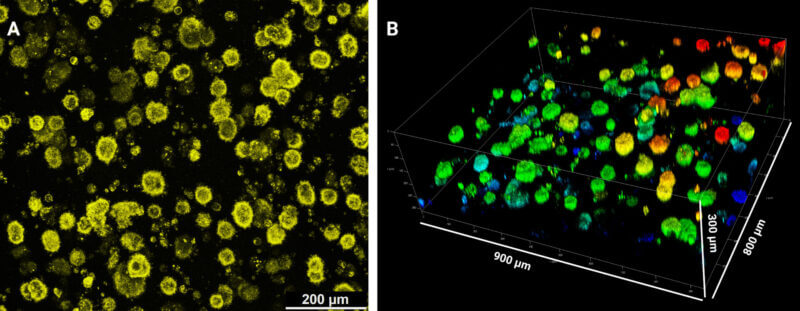
Fig 3. Live Cell Surface Immunofluorescent Staining of Human IPSCs (HFF-1VL, TheWell Bioscience) Grown in RocketCell™ 3D iPSC Complete Growth Kit, AOF.
IPSCs (100k/well) from 2D sources were plated in a 24-well VitroPrime™ 3D Culture and Imaging Plate. After 7 days, the medium was removed and replaced with media containing a diluted anti-EPCAM-PE-Alexa594-labeled antibody. The mixture was incubated for 1 hour at 37 °C, and then the well was rinsed three times with 5 min incubation with 0.5 mL of Growth Media. The well was imaged on a Leica MICA confocal microscope (A). The rendered image (B) is 300 microns deep, with a field approximately 800 x 900 microns.
Elite Optical Clarity Case 3: Indirect Immunofluorescence staining of IPSCs Grown in VitroGel® STEM Pluripotency is maintained by RocketCell™ iPSC Growth Medium, AOF
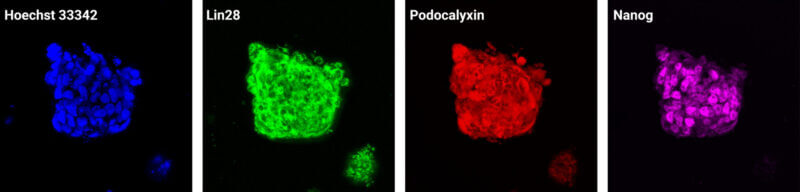
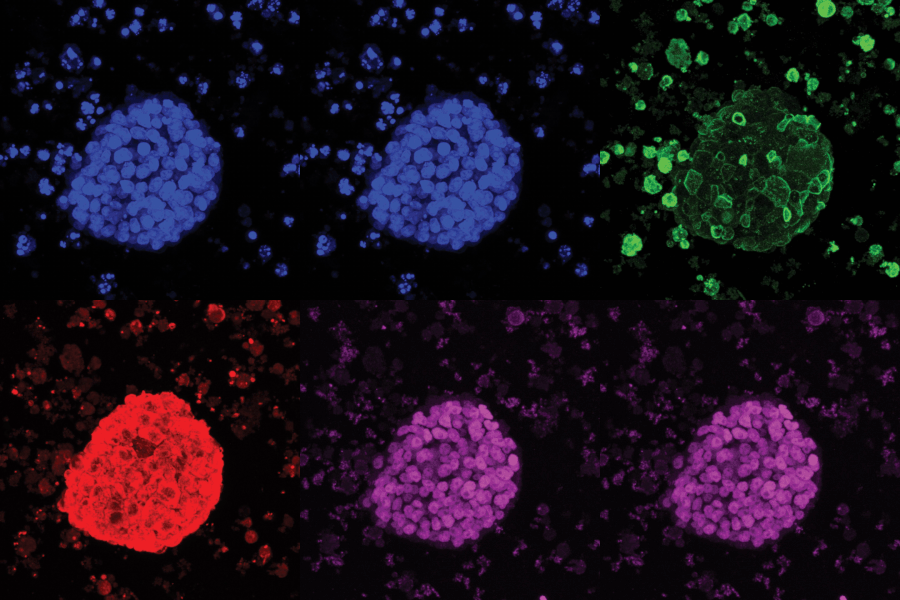
Fig 4. Direct Immunofluorescence Staining of IPSCs (HFF-1VL, TheWell Bioscience) Grown in RocketCell™ 3D iPSC Complete Growth Kit, AOF..
iPSCs (100k/well) were grown for 7 days in a 24-well VitroPrime™ 3D Culture and Imaging Plate before fixation and staining with directly labeled pluripotency markers Lin28 (Alexa 488), Podocalyxin (Alexa 594), and Nanog (Alexa 647). Images were captured using a Leica MICA confocal microscope. These results show that the RocketCell™ 3D iPSC Complete Growth Kit, AOF. provides a supportive 3D environment for maintaining pluripotent stem cells, while the use of directly labeled antibodies enables faster and more efficient hydrogel-based sample processing.
Elite Optical Clarity Case 4:
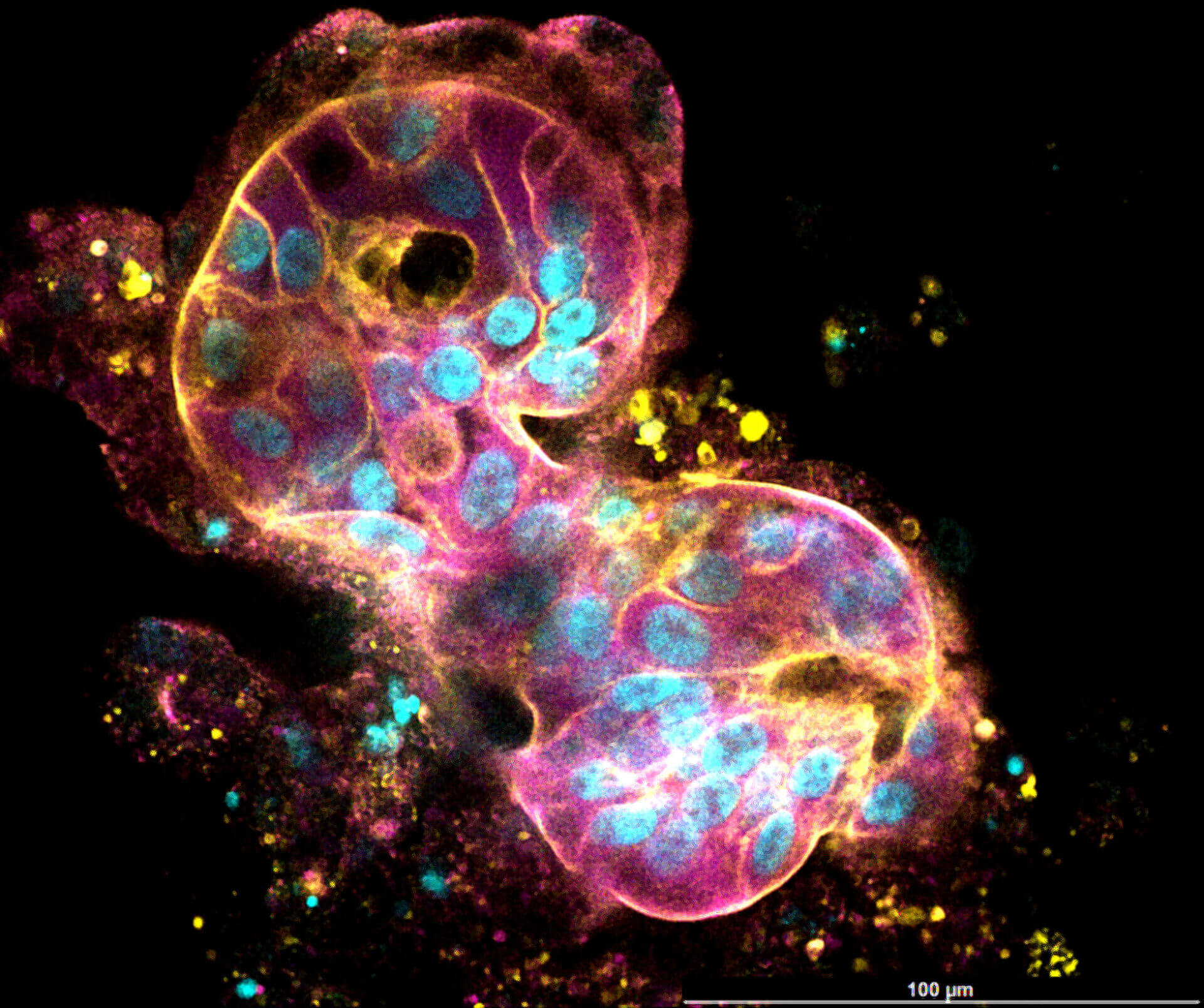
Immunofluorescence staining of 3D iPSC-Derived Intestinal Organoid

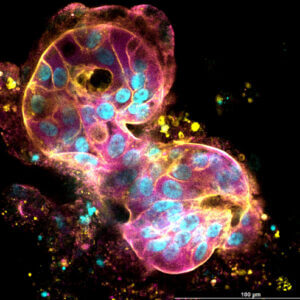
Fig 5. iPSC-derived intestinal organoids cultured and stained in VitroPrime™ 3D Culture and Imaging Plate.
Representative images showing iPSC-derived intestinal organoids cultured in VitroGel® ORGANOID within a 96-well VitroPrime™ 3D Culture and Imaging Plate. iPSC cells were initially cultured in VitroGel® STEM for spheroid and subsequently differentiated into intestinal organoids using CytoGrow™ growth factors and RocketCell™ animal origin-free culture media. Once matured, organoids were fixed and stained without disturbing cultures in the VitroPrime™ 3D Culture and Imaging Plate. Imaging was using a Leica Mica confocal microscope. (A) Blue staining (DAPI) represents cell nuclei (B). Yellow fluorescence: Phalloidin (C), Magenta: Villin protein. (D) Merged image.
FAQ
What is the VitroPrime™ 3D Culture and Imaging Plate?
The VitroPrime™ 3D Culture and Imaging Plate is a specialized vessel that securely anchors hydrogel matrices, allowing researchers to culture, fix, stain, and image 3D structures in a single well without ever physically disturbing the sample. Its unique lateral media-exchange channel and premium cover-glass bottom enable a seamless, end-to-end workflow that eliminates risky sample transfers and preserves fragile organoids for high-resolution microscopy.
What problems does this plate solve?
Standard plates fail to support stable 3D workflows—causing sample loss, gel movement, and unreliable imaging. VitroPrime™ solves this by stabilizing the sample and enabling a complete, all-in-one workflow from culture to high-resolution imaging.
| Sample disruption & loss during media change, washing, and staining | Lateral exchange channel enables fluid handling without touching or aspirating the hydrogel |
| Cannot perform 100% medium exchange without risking sample loss | Allows complete medium exchange safely with zero disturbance to the 3D sample |
| Gel floating & rotation during handling | Sample-locking architecture anchors the hydrogel and prevents movement |
| Loss of cell tracking over time due to shifting samples | Fixed spatial coordinates enable reliable longitudinal tracking of the same cells |
| Failure of automated imaging systems (autofocus errors, unstable positioning) | Stable, fixed sample position ensures compatibility with automated & high-throughput imaging |
| Fragmented workflow across multiple plates (culture → fix → stain → image) | All-in-one plate supports the full workflow in a single well with no transfer |
| Inconsistent imaging quality due to movement and suboptimal surfaces | Premium cover-glass bottom + stable positioning for high-resolution imaging |
How to use the VitroPrime™ 3D Culture & Imaging Plate?
Refer to this guide:  Quick Guide – VitroPrime™ 3D Culture and Imaging Plate
Does the sample compartment of the plate support other matrices besides VitroGel®?
Yes. Animal-based ECMs (e.g, Matrigel and Geltrex) are compatible with the VitroPrime™ 3D Culture and Imaging Plate.
Can I perform 100% media changes without disturbing the gel?
Yes. Use the side channel for gentle media exchange to minimize mechanical disruption. The plate supports 100% media change.
Is this plate suitable for confocal imaging?
Yes. The #1.5 glass bottom enables high-resolution imaging, including confocal and fluorescence microscopy.
Is the VitroPrime™ 3D culture and Imaging plate compatible with high-content screening (HCS)?
Yes. The plate is automation-ready and compatible with liquid-handling systems and HCS platforms.
Can I perform staining and imaging in the same well?
Yes. The plate supports a zero-transfer workflow including culture, staining, and imaging.
What does “zero-disruption workflow” mean?
Your 3D sample (hydrogel, organoids, cells) remains completely undisturbed—physically and spatially—throughout the entire experiment, from seeding to final imaging.
- No physical disturbance: No direct pipetting onto the gel → prevents damage, detachment, or loss
- No sample movement (no floating or rotation): The hydrogel is locked in place → spatial coordinates stay constant
- No sample transfer between vessels: Entire workflow happens in the same well → eliminates handling risks
- No workflow interruption: Seamless progression from cell seeding → culture → media change → fixing → staining → imaging
Is this system suitable for long-term culture?
Yes. The anchoring system supports stable cultures for extended periods.
Is the VitroPrime™ 3D Culture & Imaging Plate suitable for 2D cultures?
Yes, the plate is suitable for 2D cultures. Add the cell suspension directly to the sample compartment without overflowing the chamber. Place the cultureware in the incubator for an hour for cell attachment. Then, add the remaining medium to the side channel.
How can I ensure proper gel anchoring in the sample compartment?
Make sure the hydrogel is fully distributed under the lip of the protected chamber. This prevents movement during culture and media exchange.
What is the tip for adding a sample to the 6-well VitroPrime 3D Culture and Imaging Plate?
Mix the hydrogel and cell suspension by gently pipetting up and down approximately 10 times. Then, position the pipette tip (micro or serological) adjacent to the edge of the inner protected chamber, slightly angled away from the wall, and slowly dispense the mixture while moving the tip along the perimeter. This technique promotes even distribution and ensures the hydrogel flows fully beneath the chamber lip for optimal anchoring.
Note: Please refer to the VitroGel® Ready-to-Use hydrogel or VitroGel® High Concentration hydrogel protocols to learn more about how to mix the gels with the cell suspension.
Can I use vacuum aspiration to maintain cultures?
Yes. During media changes, keep the plate flat and use standard vacuum aspiration with a glass Pasteur pipette. If the aspiration speed is too fast, a P200 micropipette tip (no filter) can be attached to the Pasteur or a standard 2 mL aspirating pipette to reduce the flow rate.
The plate is designed to retain a small volume of media during aspiration. If additional media removal is needed, the plate can be gently tilted toward the side channel and aspiration repeated. Afterward, inspect the hydrogel layer, which should appear uniform, with edges positioned beneath the protected chamber lip.
A small amount of residual media may remain, which is acceptable. For experienced users, additional removal can be achieved by carefully placing the aspirating tip at the rim of the protected chamber and contacting the liquid.
This technique is effective for 6- and 24-well plates. In 96-well plates, higher surface tension typically results in a small droplet remaining on top of the hydrogel. We do not recommend removing this droplet, as doing so may disrupt the hydrogel structure.
Resources

Enhance your 3D cell culture with these products:
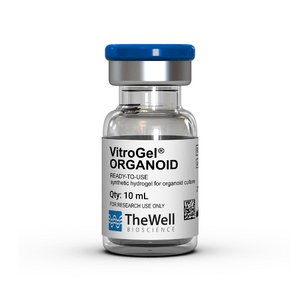
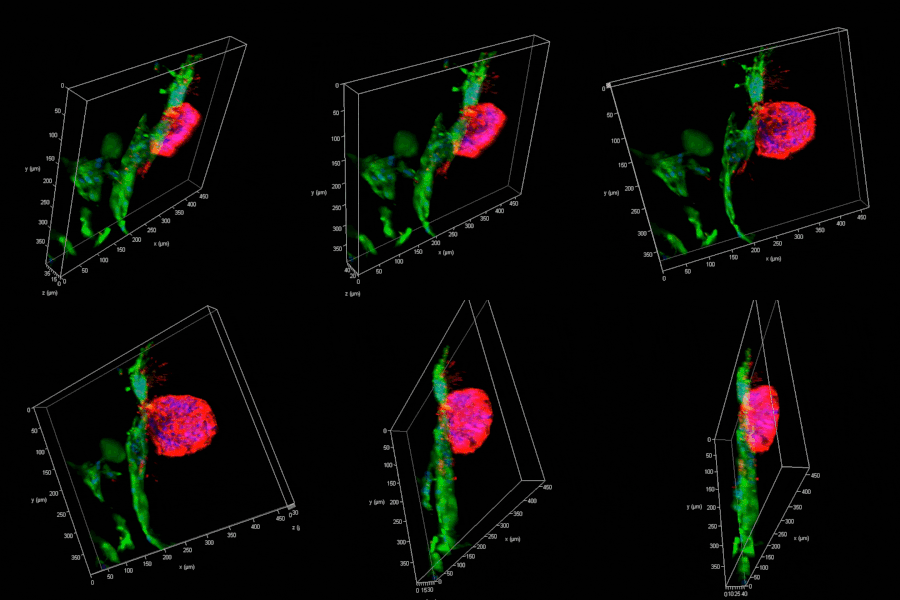
Hydrogels - Ready-To-Use
Ready-to-use, synthetic, chemically defined hydrogel system for organoid culture.
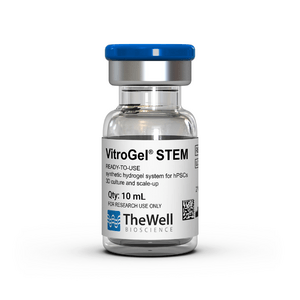
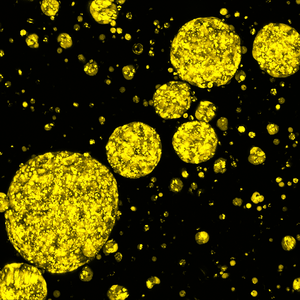
Hydrogels - Ready-To-Use
Ready-to-use, synthetic, chemically defined hydrogel system for hPSCs 3D static suspension culture and scale-up
New
Cell Culture Media (Animal Origin-Free)
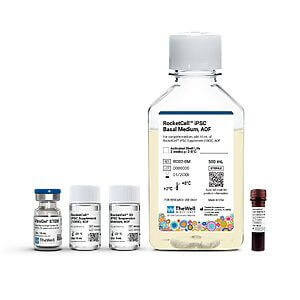
An all-in-one, animal origin-free kit with optimized matrix, medium, and reagents for 3D iPSC expansion.
New
Cell Culture Media (Animal Origin-Free)
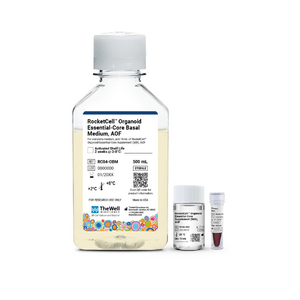
One Core Medium. Endless Organoid Possibilities. An animal origin-free medium that supports multiple organoid types - just add growth factors.
New
Cell Culture Media (Animal Origin-Free)
Animal origin-free medium for 2D and 3D expansion of pluripotent stem cells.

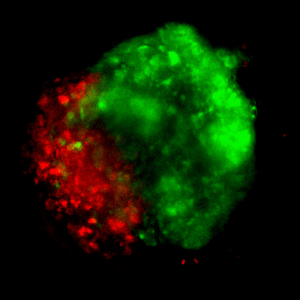
Downstream Cell Analysis
Fast (15 min), versatile, live/dead cell viability analysis for 3D and 2D cell culture.
| Plate Size | 6-well, 24-well, 96-well |
|---|---|
| Pack Size | 5 Packs/Case |
Related products
New
3D Culture Vessels
Premium U-bottom cell culture plate for 3D spheroids.

3D Culture Vessels
Unique surface treated for superior hydrogel spreading, adherence, and uniform surface.
3D Culture Vessels
Transparent, PET, Sterile, 48 inserts (12/PK, 4PK/CS)