
Synthetic, Chemically Defined, and Reproducible
Complete animal-free system for spheroid formation, tumoroid culture with batch-to-batch consistency.
NEW
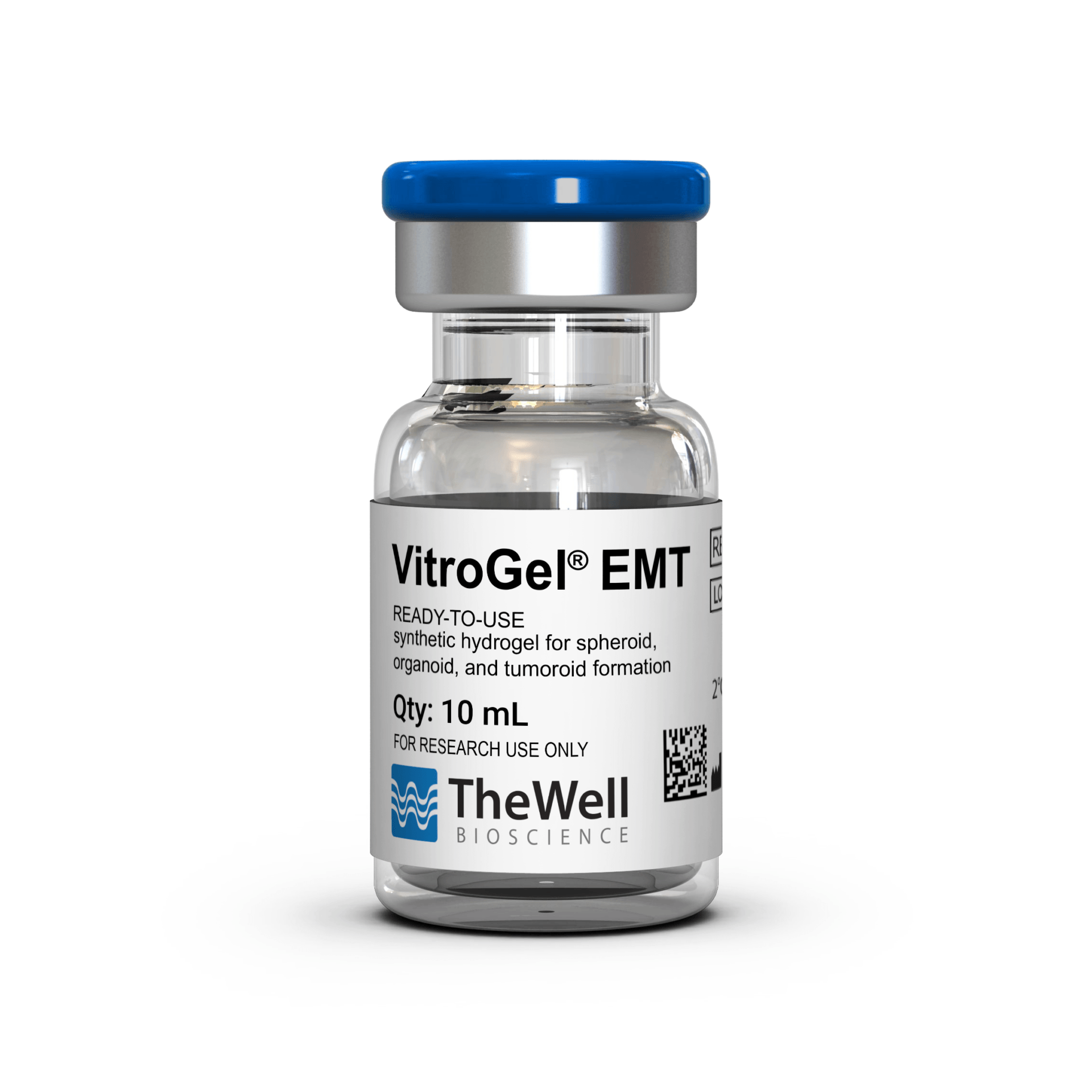
VitroGel® EMT
Ready-to-use, synthetic, chemically defined hydrogel that supports spheroid formation, tumoroid culture, and uniquely enables EMT biology
Full xeno-free EMT kit available. Click here
VitroGel® EMT
Ready-to-use hydrogel for spheroid formation, tumoroid culture, and uniquely enables EMT biology
Simple Workflow at Room Temperature
Generate the tumoroid from a simple, single spheroid with an easy operating protocol at room temperature.

Enables EMT Process and Long-Term Culture
Supports the biologically relevant epithelial-to-mesenchymal transition and maintain the well-organized structure for months.

Automation-Friendly and HTS
Compatible with lab-automated liquid handling systems and supports high-throughput screening process.
VitroGel® EMT is a fully defined, synthetic, chemically defined hydrogel engineered as a protocol-compatible alternative to low-concentration Matrigel® (5%) for spheroid, tumoroid, and organoid formation.
Designed to integrate seamlessly into existing workflows without requiring protocol modifications, VitroGel® EMT enables researchers to transition away from animal-derived matrices while maintaining robust 3D culture performance.
Beyond supporting reproducible spheroid generation, VitroGel® EMT provides a controlled microenvironment for epithelial–mesenchymal transition (EMT) studies, enabling researchers to investigate tumor progression, invasion, metastasis, and therapeutic response with greater experimental consistency.
As part of a scalable 3D culture platform, VitroGel® EMT supports applications ranging from model development and disease biology to high-throughput drug screening and translational research.
Specifications
| Formulation | Synthetic, chemically defined, and biofunctional hydrogel |
| Use | spheroid formation, tumoroid culture, and uniquely enables EMT biology |
| Operation | Ready-to-use at room temperature |
| Injection | Injectable hydrogel for in vivo studies and lab automation |
| pH | Neutral |
| Storage | Store at 2-8°C. Ships at ambient temperature |
| Sizes | 10 mL and 2 mL |
Challenges We Solve


Challenges when using animal-based ECM

Lot-to-lot vairability undermines reproducibility

ECM protein derived from a mouse tumor; ~2000 undefined compounds, including various growth factors. Ethical- concerns

Cold-chain dependency, must be kept on ice at all times

No EMT biology, passive matrix with no mechanistic added value.

Cost and supply chain vulnerabilities.
What VitroGel® EMT delivers

Batch-to-batch consistency.
Synthetic and defined formulation.
100% synthetic and chemically defined;
no animal-derived components
Room temperature operation.
No cold-chain hassle.

EMT-active.
Uniquely supports EMT biology.

No protocol changes.
Same as 5% workflow, drop-in replacement.
Protocols and Resources

 Frequently Asked Questions
 Data and References

CASE 1
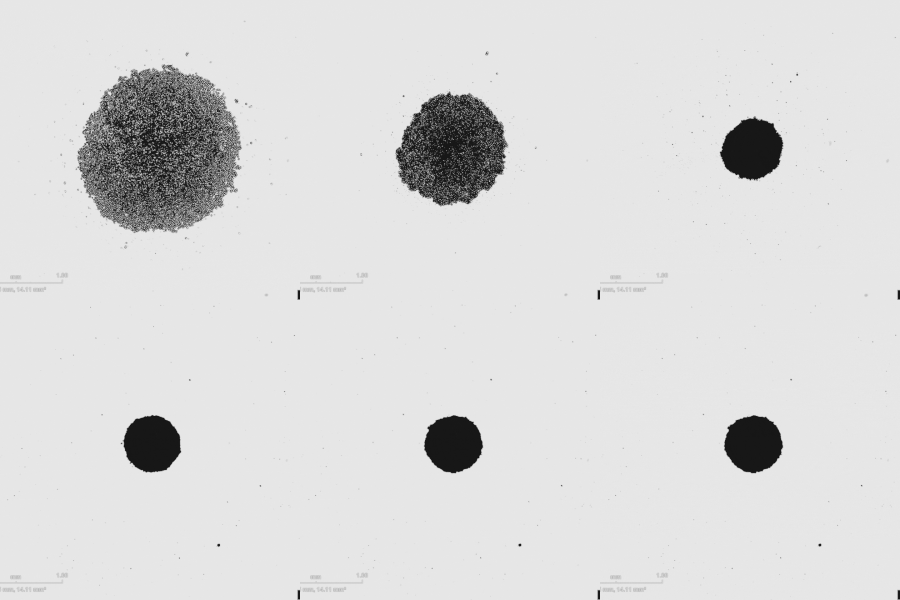
3D Tumoroid formation: VitroGel® EMT vs. Matrigel®

Figure 1: GBM tumoroid development in VitroGel® EMT hydrogel system. U87-MG GBM cells (1 x 10⁶ cells/mL) were resuspended in basal medium with supplements. 20 µL of cell suspension was added to the VitroPrime™ Ultra-Low Attachment, U-Bottom, 96-Well Plate and incubated overnight at 37°C. VitroGel® EMT hydrogel was mixed with RocketCell™ EMT Supplement, XF in a 1:1 ratio, and 40 µL of the mixture was added to the cultures. The hydrogel was incubated at room temperature for 15 minutes. A 100 µL of basal medium with supplements was added on top of the hydrogels. In parallel, Matrigel was diluted 1:10 in basal medium supplemented with FBS. The cultures were incubated at 37°C. Tumoroid growth was monitored for 25 days and evaluated using a Zeiss microscope.
CASE 2
Evaluation Viability of GBM Tumoroids
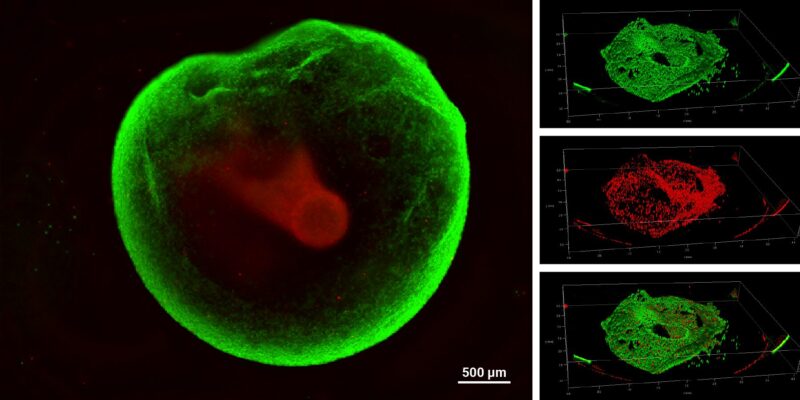
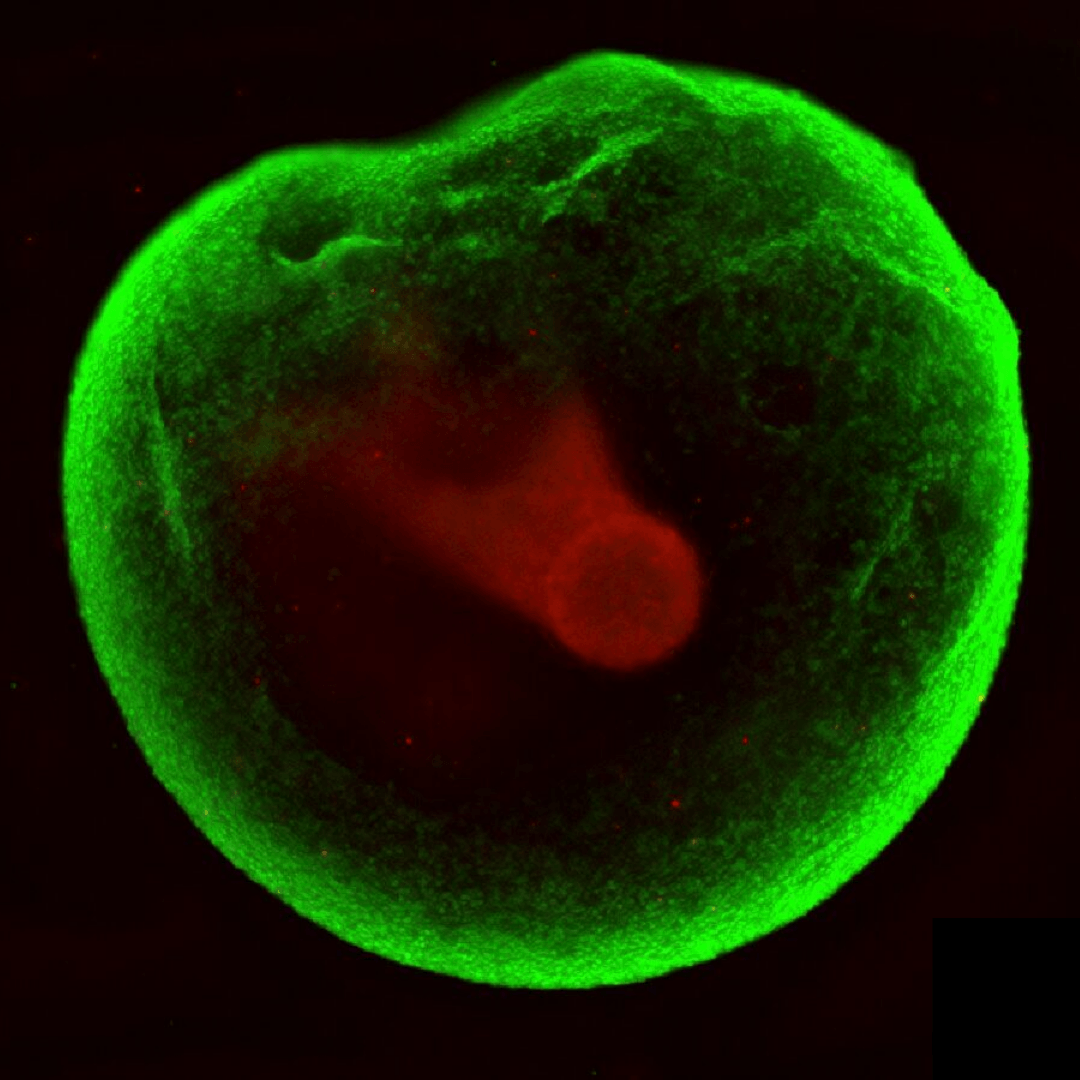
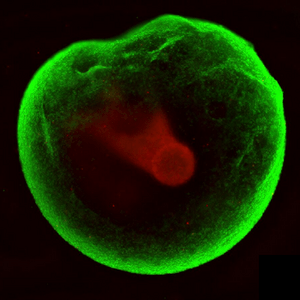
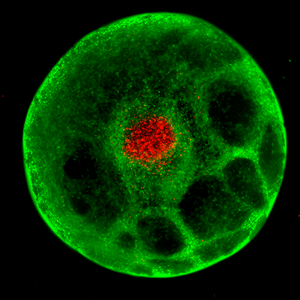
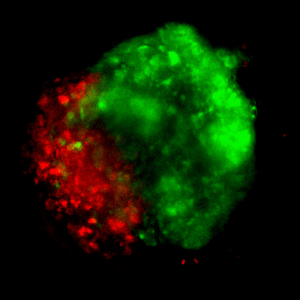
Figure 2: VitroGel® EMT sustains tumoroid growth and viability.
GBM tumoroids were subjected to cell viability staining using Cyto3D® Live-Dead Assay Kit after six weeks in culture. Live cells within the tumoroid are shown in green, and dead cells are shown in red.
CASE 3
VitroGel® EMT hydrogel and Xeno-Free Supplement Maintain Co-Culture Viability

Figure 3: Assessing the viability of GBM tumoroids and endothelial cells co-cultures after exposure to chemotherapy.
U87 cells and endothelial cells were combined in a 1:1 ratio and seeded onto the VitroPrime™ Ultra-Low Attachment, U-Bottom, 96-Well Plate to form spheroids. The next day, VitroGel® EMT hydrogel was supplemented with FBS or the Xeno-Free supplement and added to the spheroids to form tumoroids. The tumoroids were grown for 21 days and then subjected to TMZ (1mM) for 24 hours. After exposure, the Cyto3D® LiveDead Assay Kit was used to evaluate viability.
CASE 4
GBM Tumoroid and Endothelial Cell Co-Culture: Adding ECs after Spheroid Formation
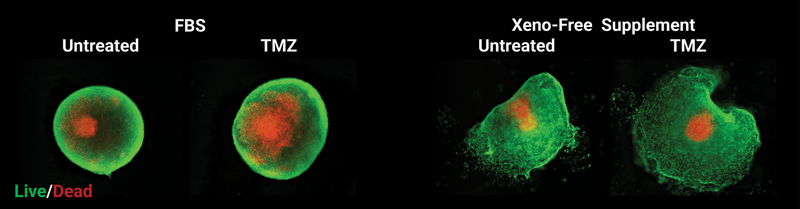
Figure 4. Co-culture model of GBM cells and Endothelial cells for drug-screening studies.
U87 cells were seeded onto the VitroPrime™ Ultra-Low Attachment, U-Bottom, 96-Well Plate for spheroid formation and incubated overnight. Next, VitroGel® EMT hydrogel was supplemented with FBS or Xeno-Free supplement and added to the spheroids for tumoroid formation. Then, endothelial cells were added on D1 to establish co-cultures. The tumoroids were grown for 21 days and then subjected to TMZ (1mM) for 24 hours, followed by viability assessment.
CASE 5
Evaluation of Viability of GBM Tumoroids
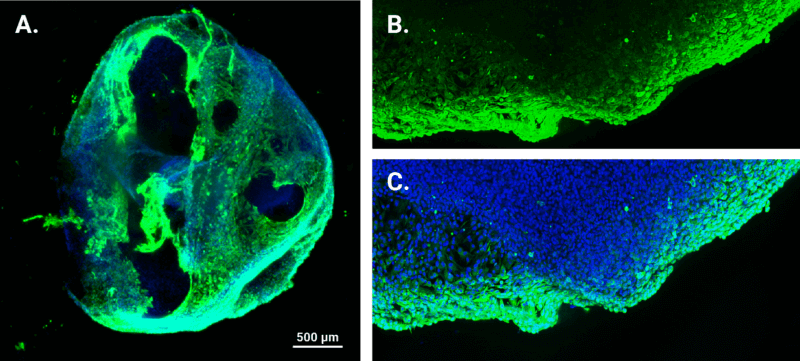
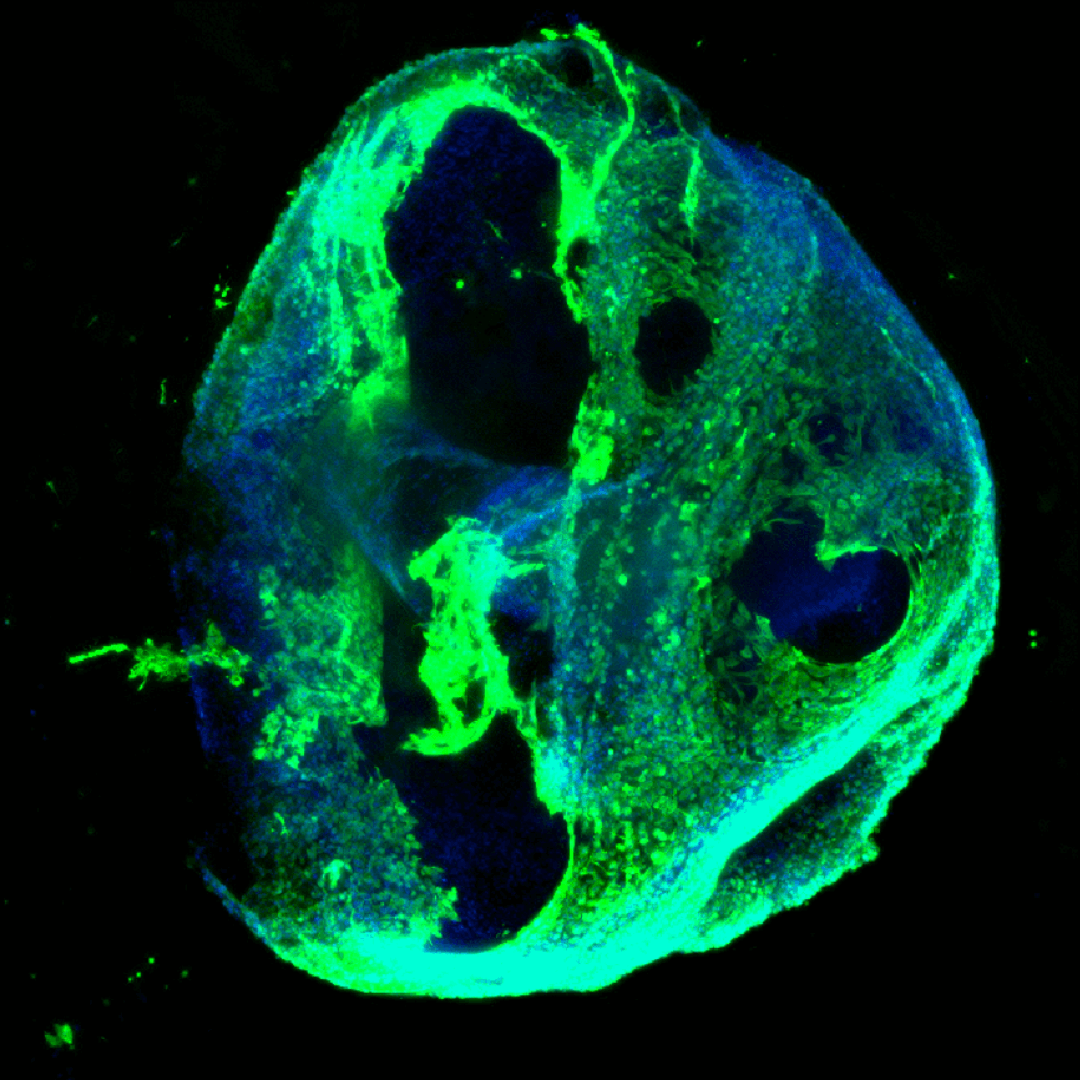
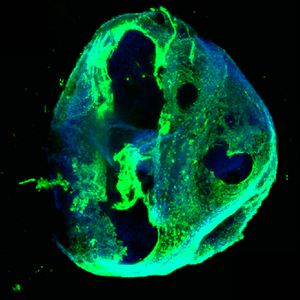
Figure 5: Assessing Vimentin expression, an EMT marker, in GBM tumoroids.
Immunofluorescence staining was employed on three-week-old tumoroids to examine Vimentin expression. The nuclei were stained with DAPI (blue), and vimentin was stained green. A. Representative image of tumoroid topology and size (4X magnification). B-C. Enlarged images of vimentin-positive regions obtained with a confocal microscope at 10X magnification.
Resources

Matrigel® is a trademark of Corning Incorporated.
Enhance your EMT Culture
NEW
Assay Kits
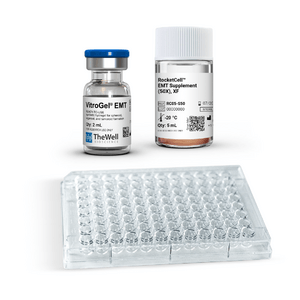
Ready-to-use kit for 3D GBM tumoroid formation. Supports epithelial-to-mesenchymal transition with long-term tumoroid culture.


3D Culture Vessels
Unique surface treated for superior hydrogel spreading, adherence, and uniform surface.
3D Culture Vessels
Premium U-bottom cell culture plate for 3D spheroids.
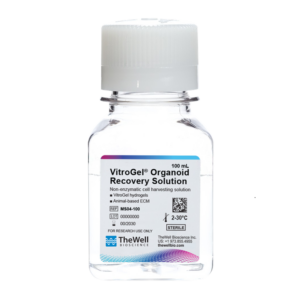
Cell Harvesting Solution
Chemically defined, non-enzymatic cell harvesting solution to recover cells/organoids from hydrogel or an animal-based ECM within 15 minutes.

Downstream Cell Analysis
Fast (15 min), versatile, live/dead cell viability analysis for 3D and 2D cell culture.
| Size | 2 mL, 10 mL |
|---|
Related products
NEW
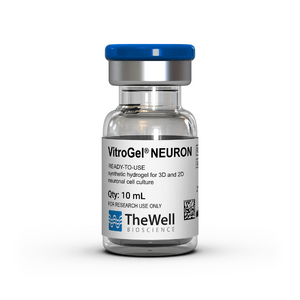

Hydrogels - Ready-To-Use
Ready-to-use, synthetic, chemically defined hydrogel for neural stem cell and neuron cultures.
Hydrogels - Ready-To-Use
Ready-to-use, synthetic, chemically defined hydrogel system for mesenchymal stem cell 3D culture and scale-up
Hydrogels - Ready-To-Use
Ready-to-use, synthetic, chemically defined, biofunctional hydrogel system.
Hydrogels - Ready-To-Use
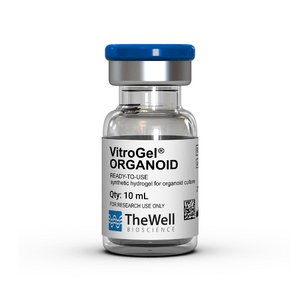
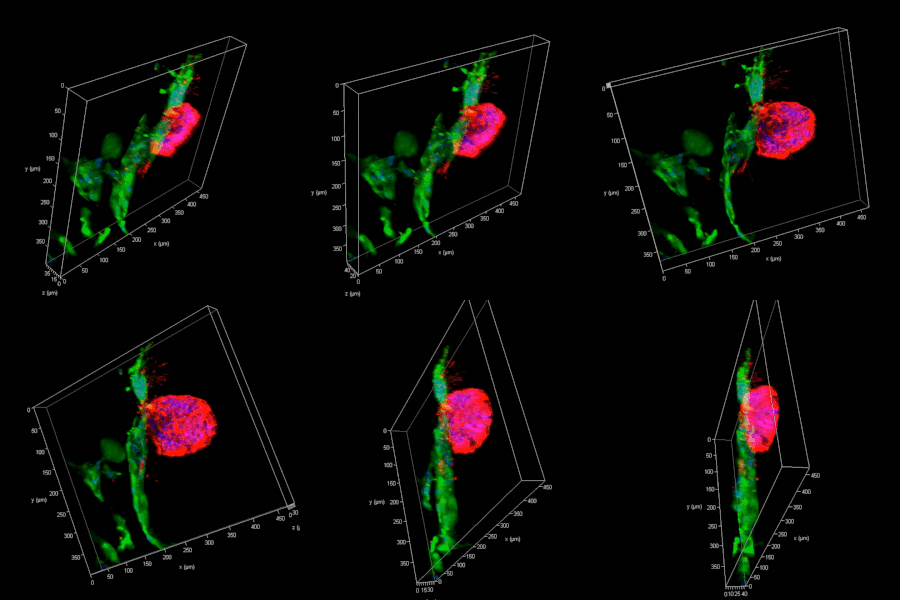
Ready-to-use, synthetic, chemically defined hydrogel system for organoid culture.
Hydrogels - Ready-To-Use
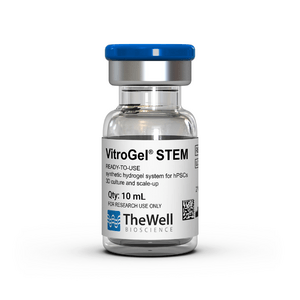
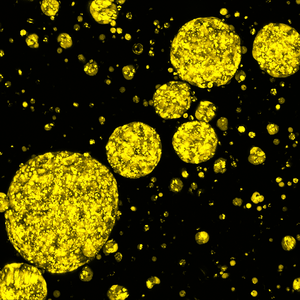
Ready-to-use, synthetic, chemically defined hydrogel system for hPSCs 3D static suspension culture and scale-up
Hydrogels - Ready-To-Use
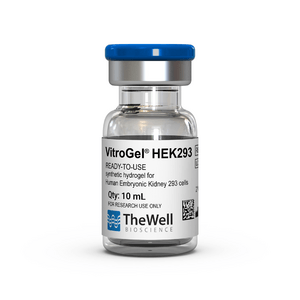
Ready-to-use, synthetic, chemically defined hydrogel system for 3D culture of HEK293 cells