
Maximize cell recovery and growth during passaging, thawing, and cryopreservation.
NEW
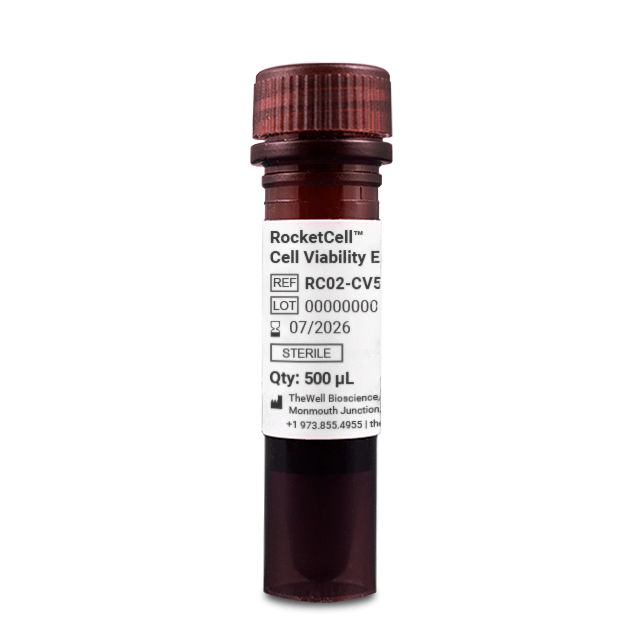
RocketCell™ Cell Viability Enhancer (1000X)
Maximize cell recovery and growth during passaging, thawing, and cryopreservation.
RocketCell™ Cell Viability Enhancer (1000X)
Superior Growth Kinetics
Outperforms Y-27632 and Thiazovivin (TZV), in long-term expansion assays.
Metabolic Support
Actively assists cells in recovering from the metabolic stress of detachment and enzymatic dissociation.
Versatile
Optimized for use during passaging, thawing, and cryopreservation to ensure maximum plate-down efficiency.

Proprietary Protection
Contains a potent ROCK inhibitor integrated with secondary metabolic stabilizers to prevent apoptosis and promote rapid cell-cycle re-entry.
RocketCell™ Cell Viability Enhancer is a chemically defined, proprietary, high-potency small-molecule cocktail engineered to maximize the survival and metabolic recovery of sensitive cell types, including, but not limited to, organoids, induced pluripotent stem cells (iPSCs), and other iPSC-derived cells, such as neural stem cells.
While traditional ROCK inhibitors like Y-27632 provide basic survival signals, RocketCell™ Cell Viability Enhancer utilizes a synergistic approach that significantly accelerates post-passaging growth and colony formation. This reagent is designed for 2D and 3D cultures.
Specifications
| Use | Use maximize the survival and metabolic recovery of sensitive cell types. |
| Shipping and Storage | Ships with ice pack or dry ice. Store at -20°C. |
Protocols and Resources


Data and References
Up to 6X Greater Cell Expansion for 2D iPSC Recovery
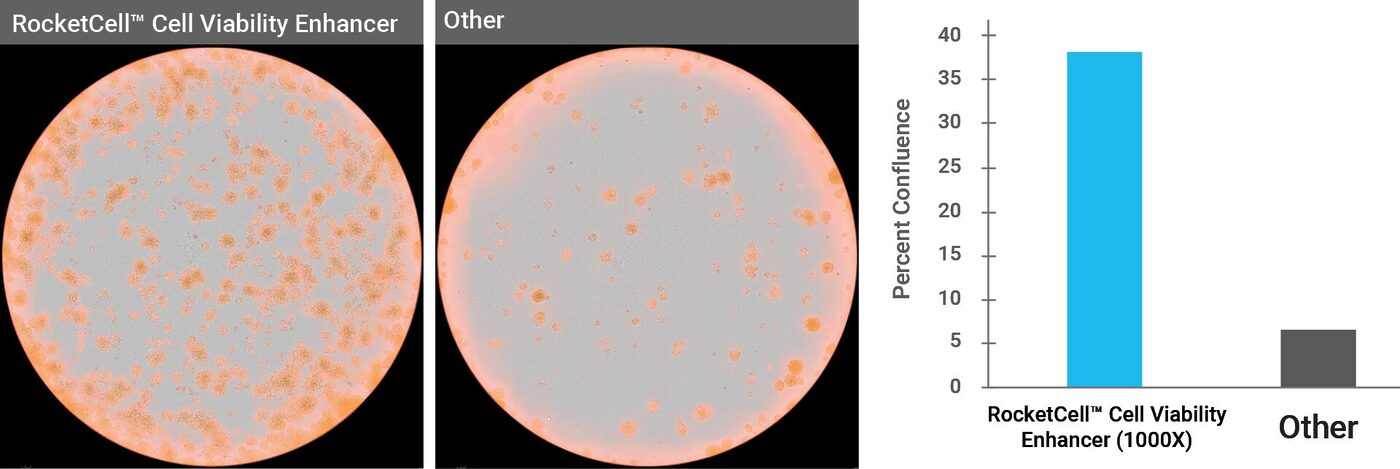
Figure 1. RocketCell™ Cell Viability Enhancer Significantly Improves Human iPSC Recovery and Expansion at Low Seeding Density.
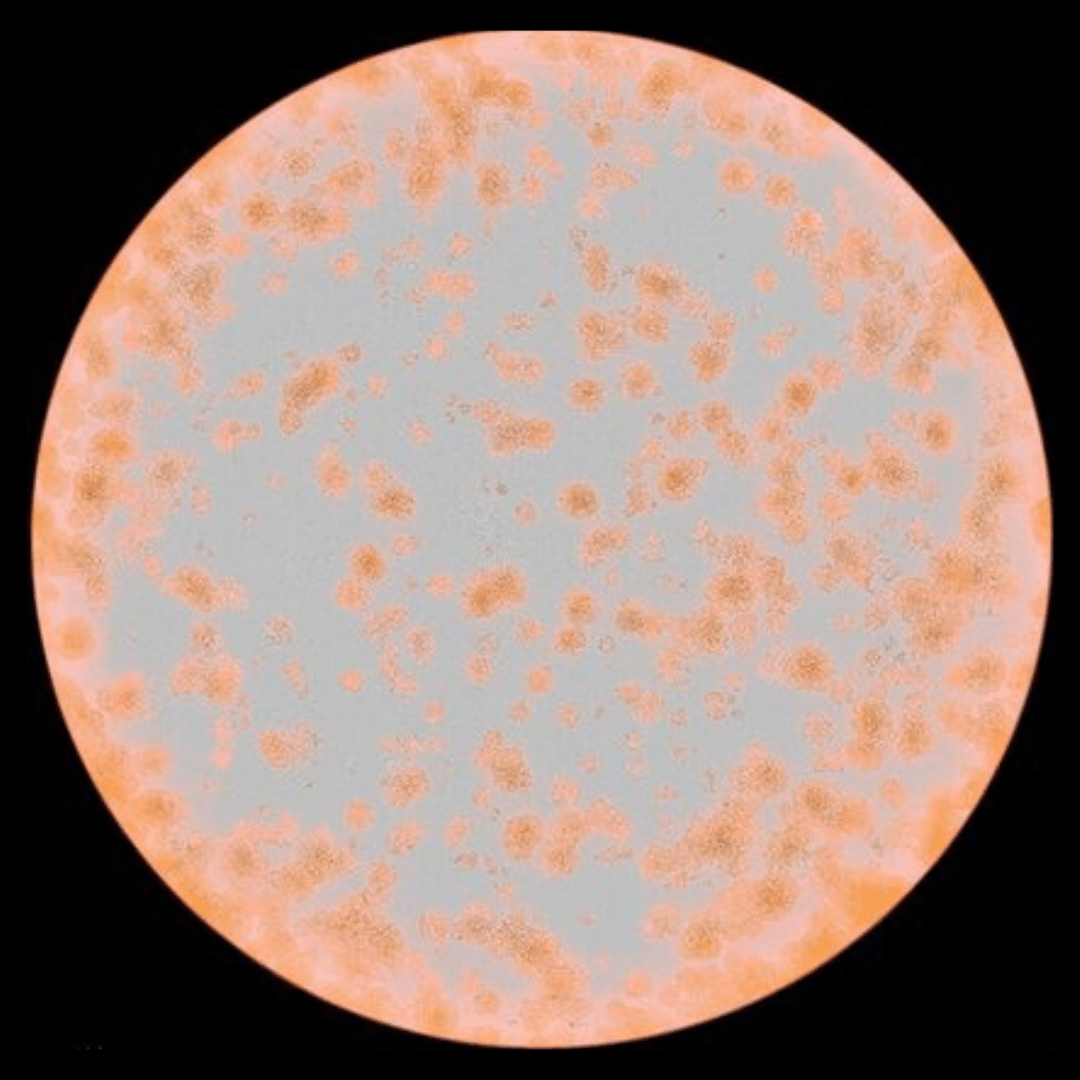
Human iPSCs were seeded at a very low density (25,000 cells/well; approximately 2,600 cells/cm²) onto CytoGrow™ Vitronectin-coated VitroPrime™ Spread-Attach 6-Well Plates. Cells were cultured for 7 days in either RocketCell™ iPSC Xeno-Free Growth Medium supplemented with RocketCell™ Cell Viability Enhancer or a commercially available formulation (“Other”) for comparison.
Representative images demonstrate that RocketCell™ Cell Viability Enhancer substantially improves cell recovery compared to a commercially available formulation. Quantitative confluence analysis further shows that RocketCell™ Cell Viability Enhancer supports up to 6-fold greater cell expansion under low-density seeding conditions, resulting in enhanced survival, attachment, and proliferation of human iPSCs over the 7-day culture period.

Up to 70-80% Higher Organoid Recovery
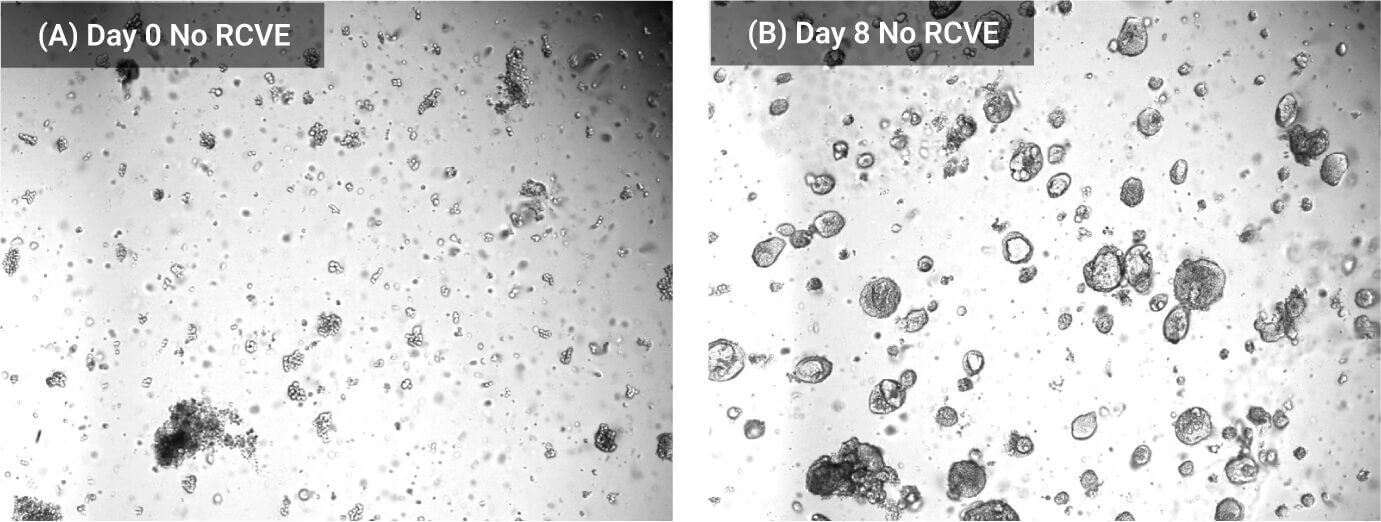
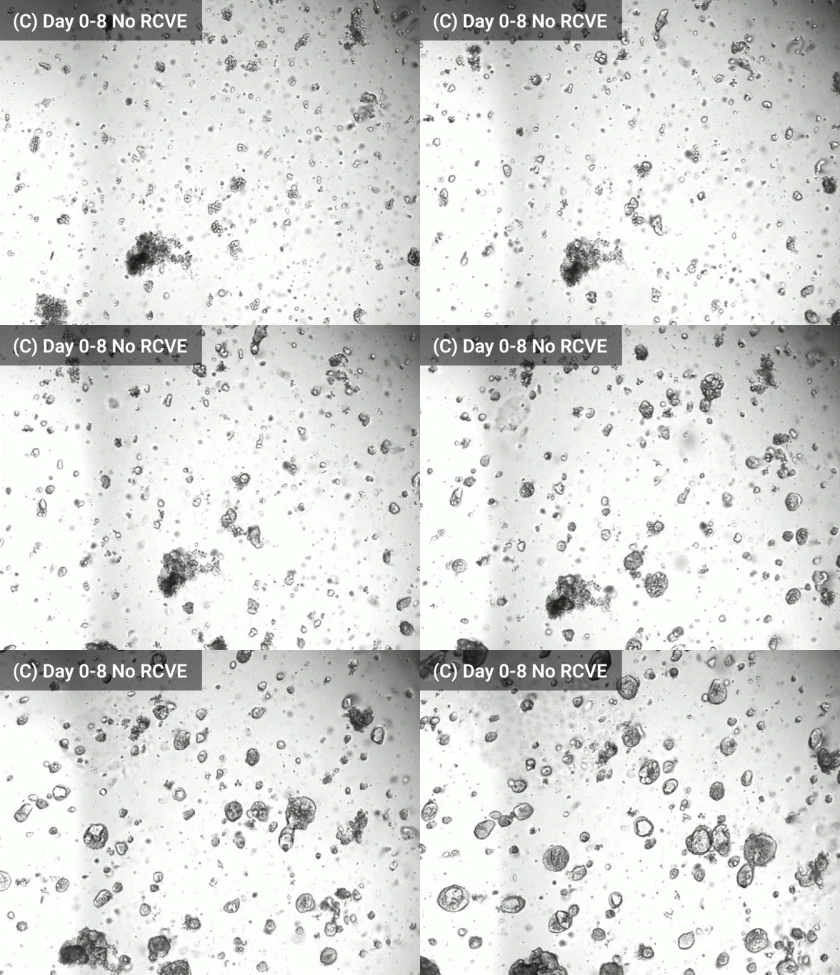
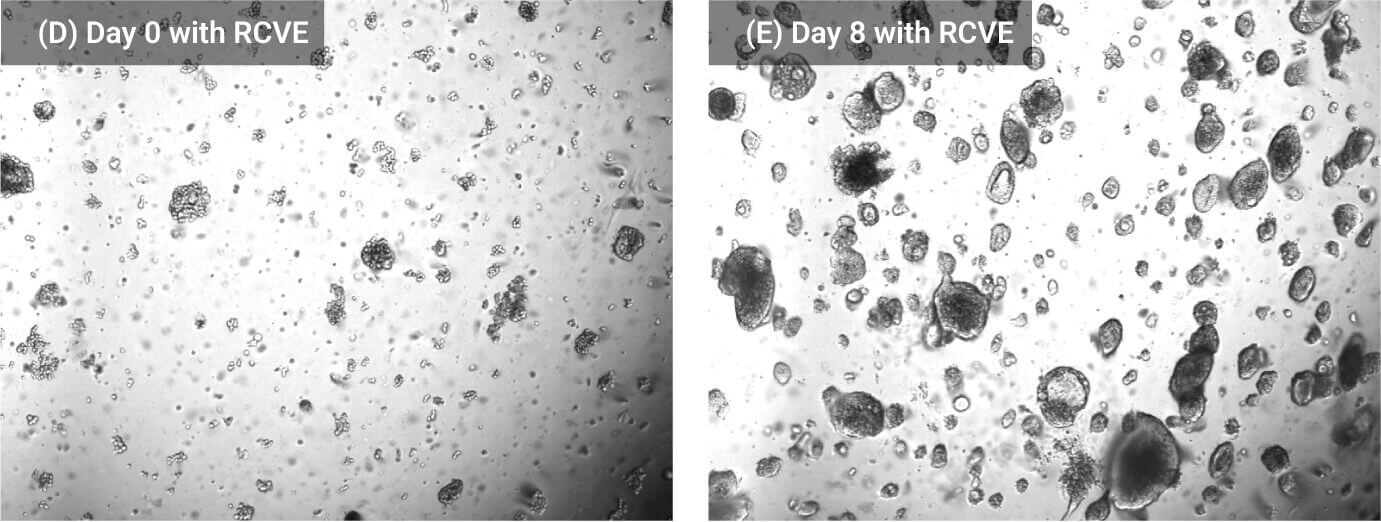
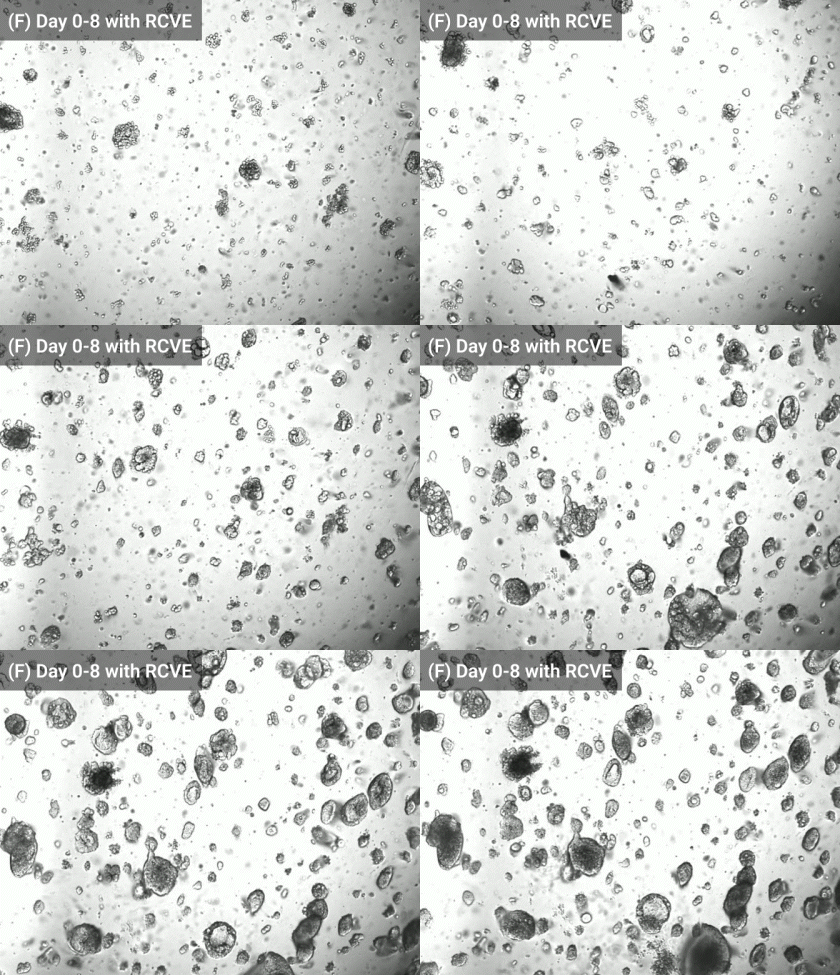
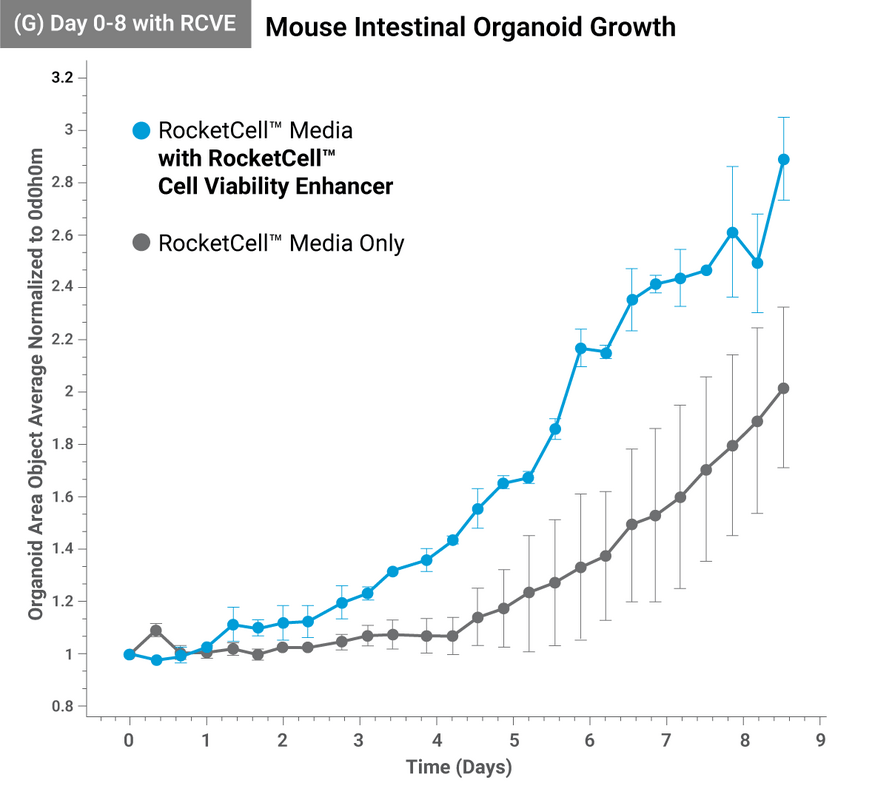
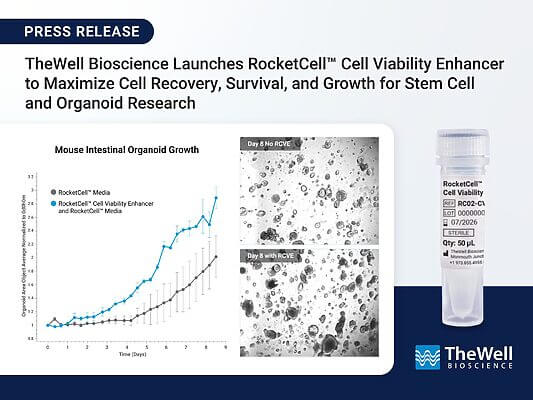
Figure 2. RocketCell™ Cell Viability Enhancer Supports Higher Intestinal Organoid Recovery & Growth. Mouse intestinal organoids (MIO) cultured in VitroGel® ORGANOID 5 (at P6) were harvested and passaged using VitroGel® ORGANOID Recovery Solution and TrypLE. Organoid fragments were re-cultured in VitroGel® ORGANOID 5 with or without RocketCell™ Cell Viability Enhancer in RocketCell™ Organoid Xeno-Free Essential-Core Medium with essential growth factors. (A-B) MIO growth without the Cell Viability Enhancer Day 0 vs Day 8, respectively. (C) MIO growth without the RocketCell™ Cell Viability Enhancer video. (D-E) MIO growth with the RocketCell™ Cell Viability Enhancer Day 0 vs Day 8, respectively. (F) MIO growth with the RocketCell™ Cell Viability Enhancer video. (G) MIO growth over 8 days. Use of RocketCell™ Cell Viability Enhancer supported better MIO recovery and growth over 8 days compared to media without RocketCell™ Cell Viability Enhancer.
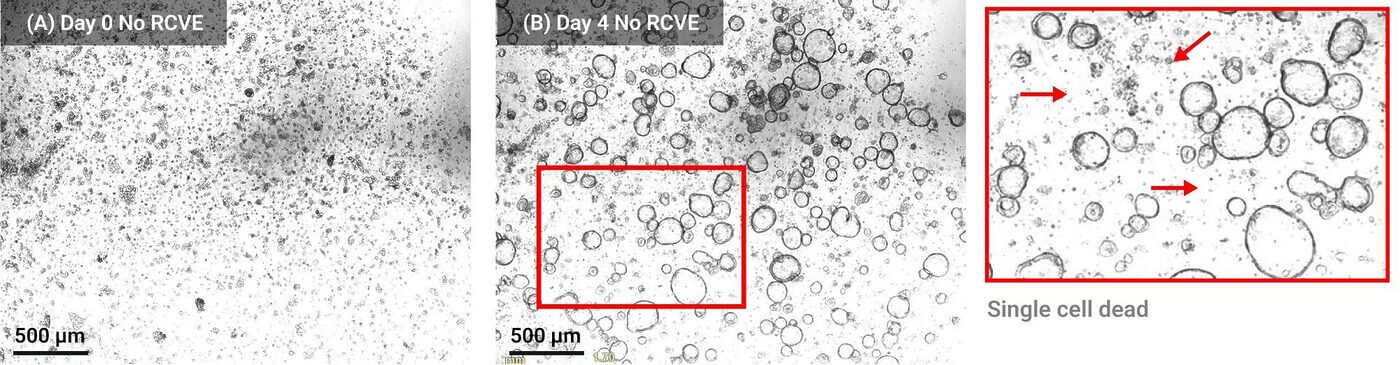
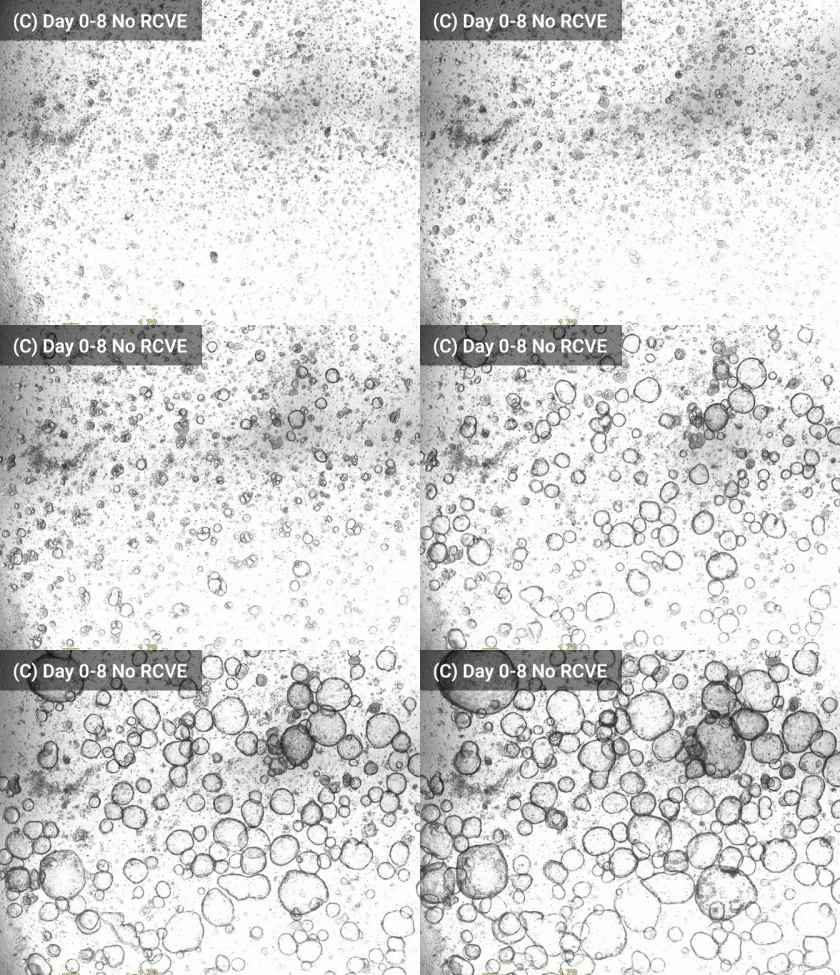
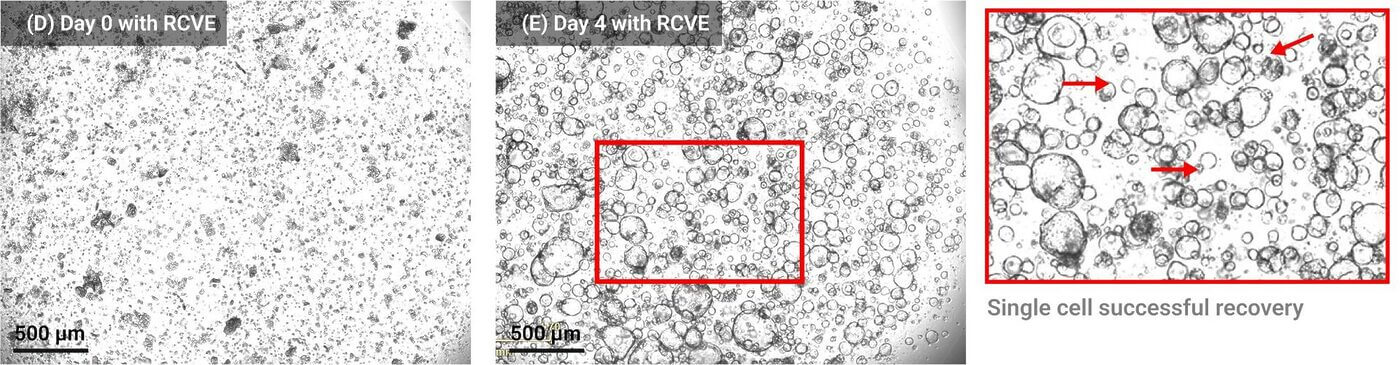
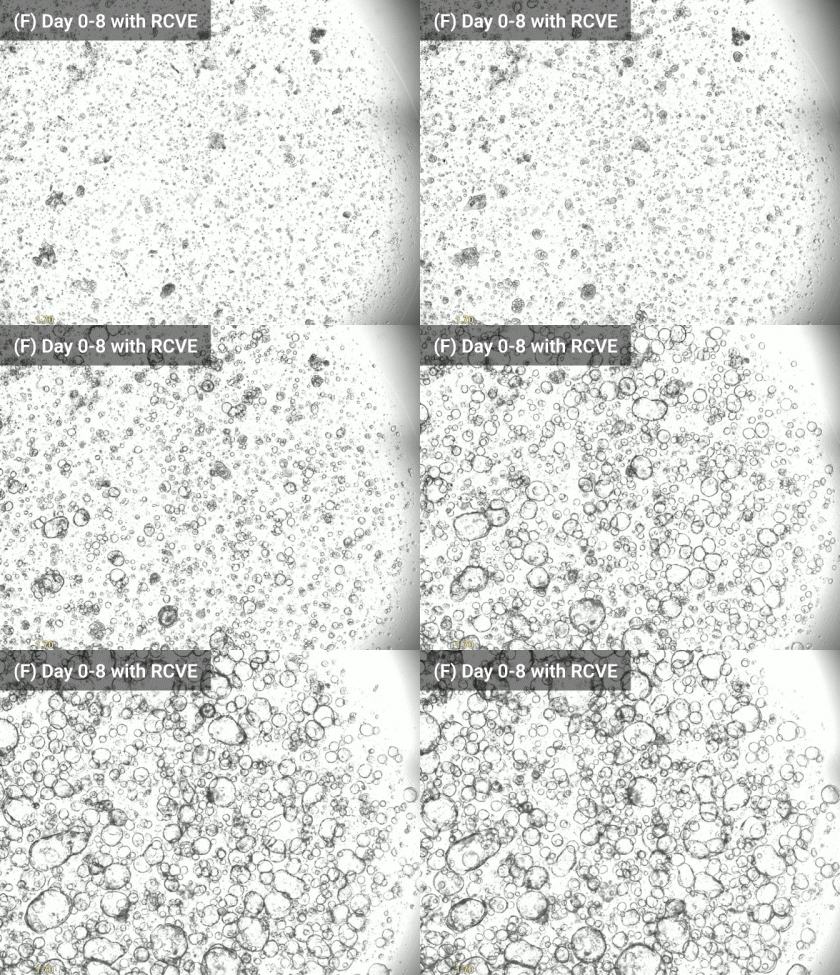
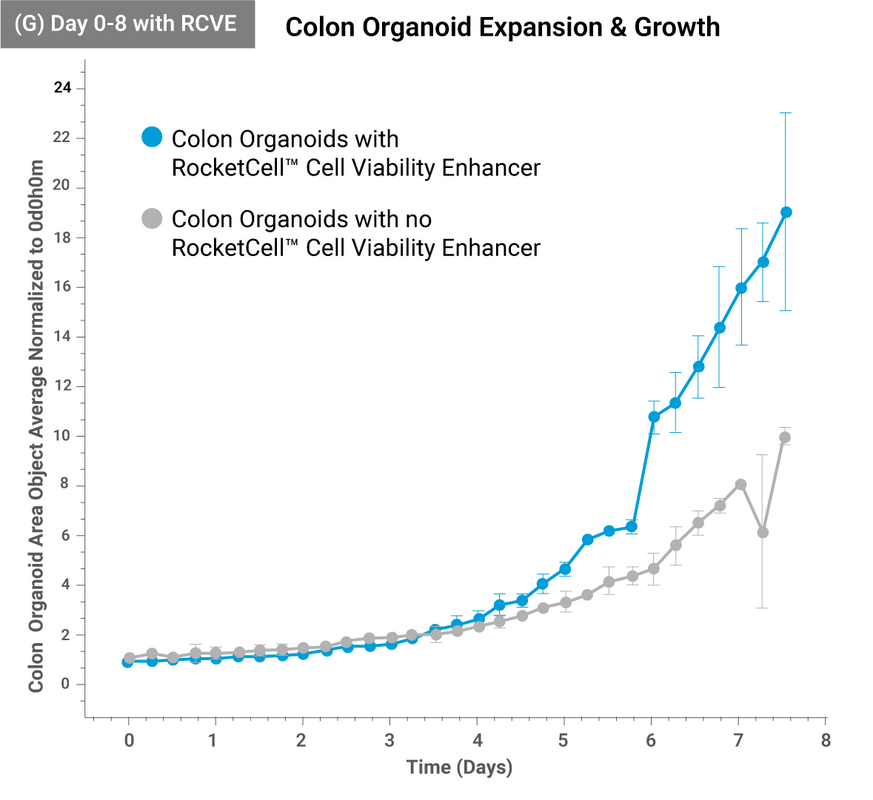
Figure 3. RocketCell™ Cell Viability Enhancer Supports Higher Colon Organoid Recovery & Growth. Colon organoids (CO) cultured in Matrigel domes (at P2) were harvested and passaged using TrypLE. Organoid fragments were re-cultured in Matrigel domes with or without Cell Viability Enhancer. (A-B) CO growth without the Cell Viability Enhancer, Day 0 vs Day 8, respectively. (C) CO growth without the Cell Viability Enhancer video. (D-E) CO growth with the Cell Viability Enhancer Day 0 vs Day 8, respectively. (F) CO growth with the Cell Viability Enhancer video. (G) CO growth over 8 days. Use of RocketCell™ Cell Viability Enhancer supported better CO recovery and growth over 8 days compared to media without RocketCell™ Cell Viability Enhancer.
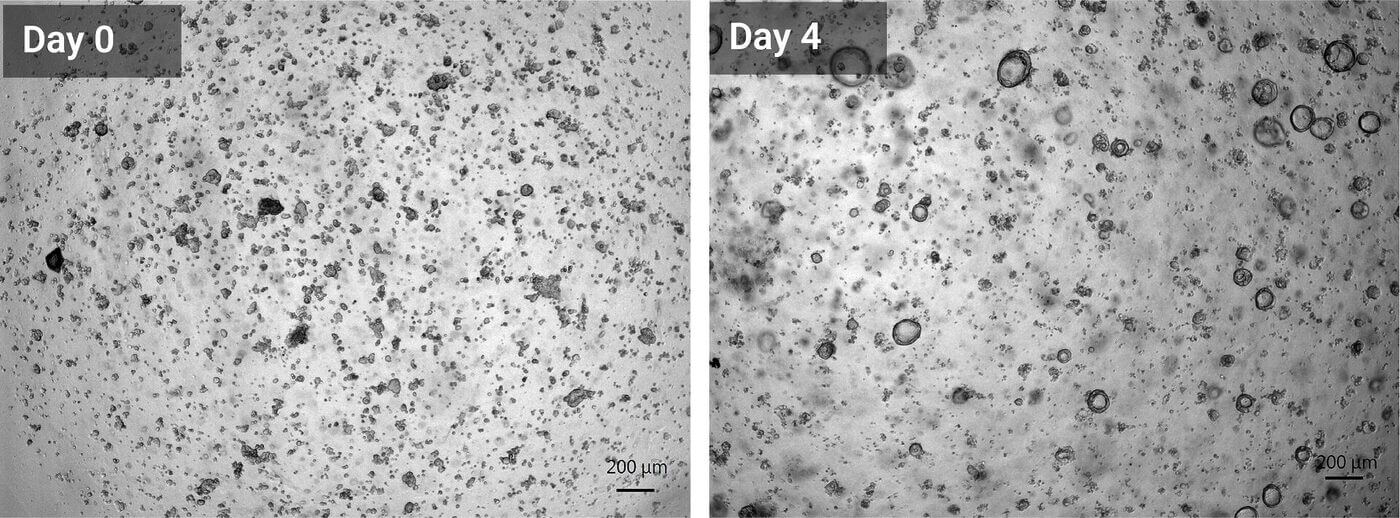
Using RocketCell™ Cell Viability Enhancer (RCVE) on the cover medium after cell passage
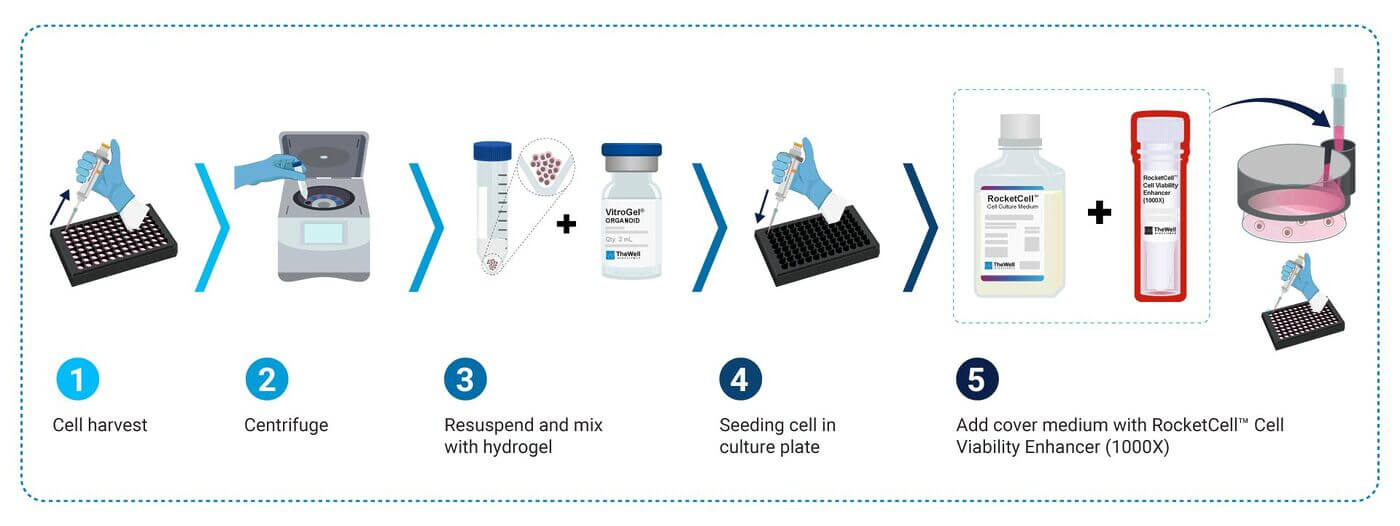
Cell Recovery without RCVE (Low Cell Growth Rate)
Add RCVE on day 0 after cell passage (High Cell Growth Rate)
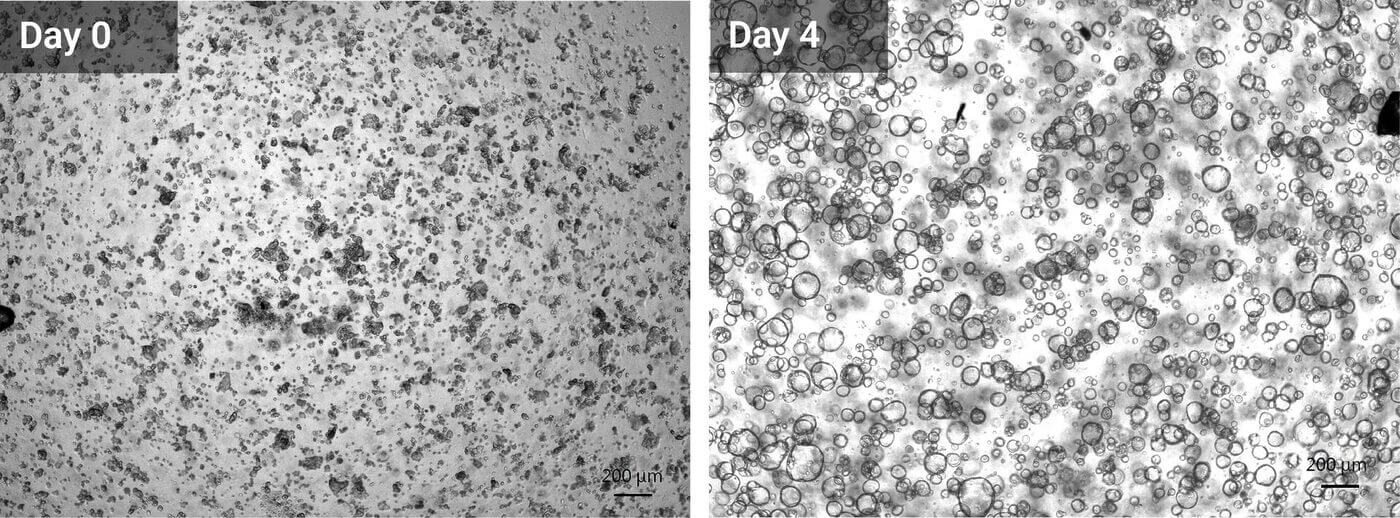
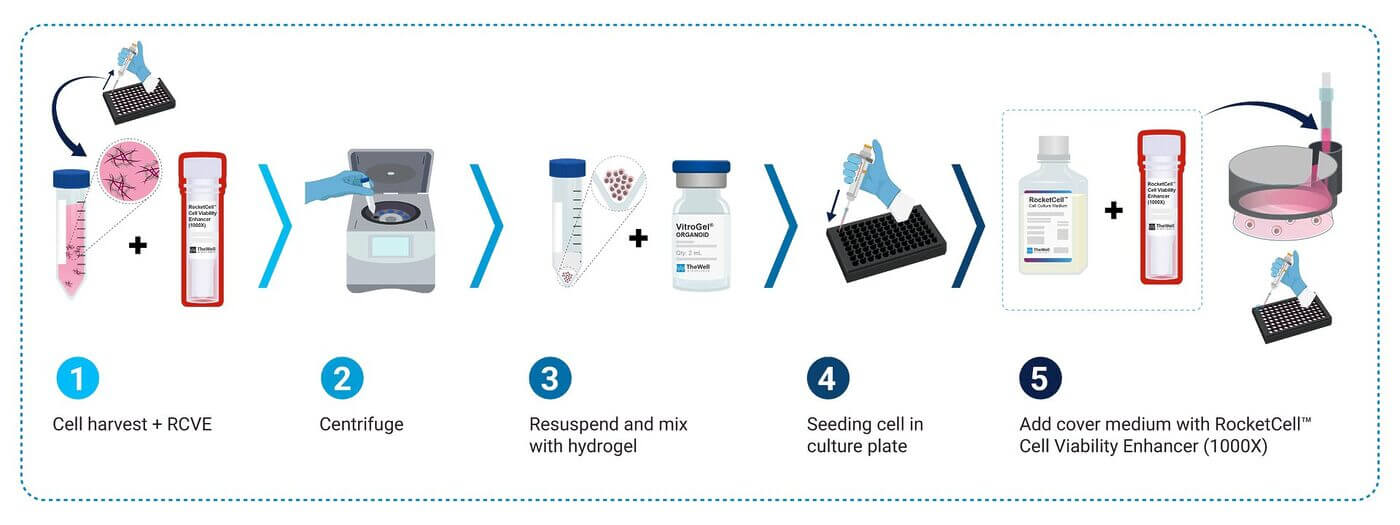
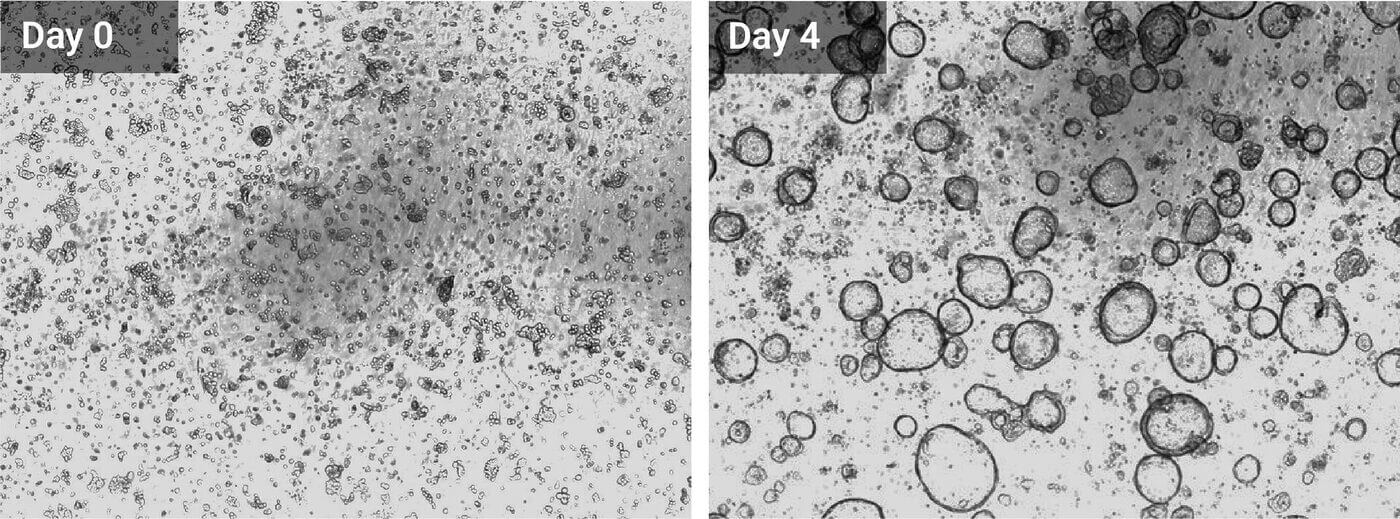
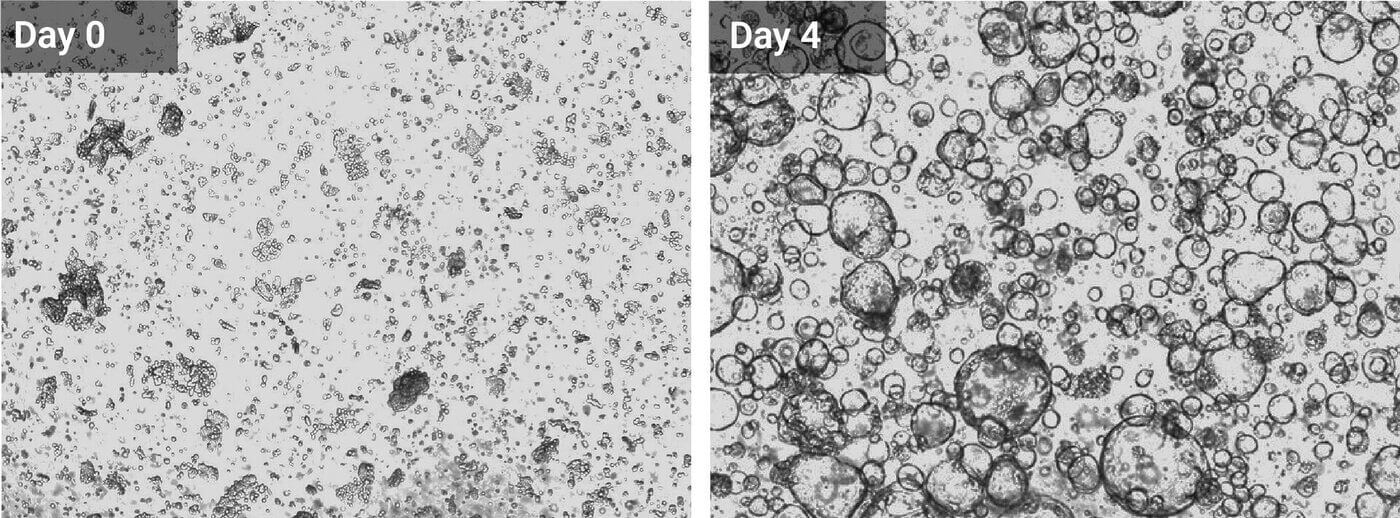
Figure 4. Effects of RocketCell™ Cell Viability Enhancer (RCVE) During Organoid Harvesting: Enhanced Intestinal Organoid Recovery and Growth.
Mouse intestinal organoids (MIOs; passage 3) cultured in Matrigel domes were harvested and passaged using TrypLE. In condition (A), RocketCell™ Cell Viability Enhancer (RCVE) was not included during harvesting, whereas in condition (B), RCVE was used throughout all harvesting steps. Following harvest, organoid fragments were reseeded in Matrigel domes and cultured in RocketCell™ Organoid Xeno-Free Essential-Core Medium supplemented with essential growth factors, either with or without RCVE.
The use of RocketCell™ Cell Viability Enhancer significantly improved MIO recovery and growth over the 4-day culture period compared with cultures maintained without RCVE. The greatest enhancement in organoid recovery and expansion was observed when RCVE was included during harvesting and maintained during the initial 24–48 hours of culture. Furthermore, comparison of panels A3 and B3 demonstrates improved organoid survival when RCVE was used during the harvesting process, even in the absence of RCVE supplementation during the subsequent 24–48 hours of culture. These findings indicate that RCVE provides substantial protection against harvesting-induced cellular stress, leading to improved organoid viability and recovery.
FAQ
How can I avoid small aggregate formation in the medium after diluting RocketCell™ Cell Viability Enhancer?
To prevent aggregate formation, ensure that the cell culture medium is warmed to 37°C and that the RocketCell™ Cell Viability Enhancer has reached room temperature (25°C) before dilution.
Can RocketCell™ Cell Viability Enhancer aggregates be removed from the culture?
Yes, RocketCell™ Cell Viability Enhancer aggregates can be removed during subsequent medium changes.
Enhance your cell culture with these products:
New
Cell Culture Media (Animal Origin-Free)
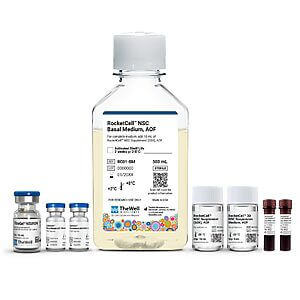
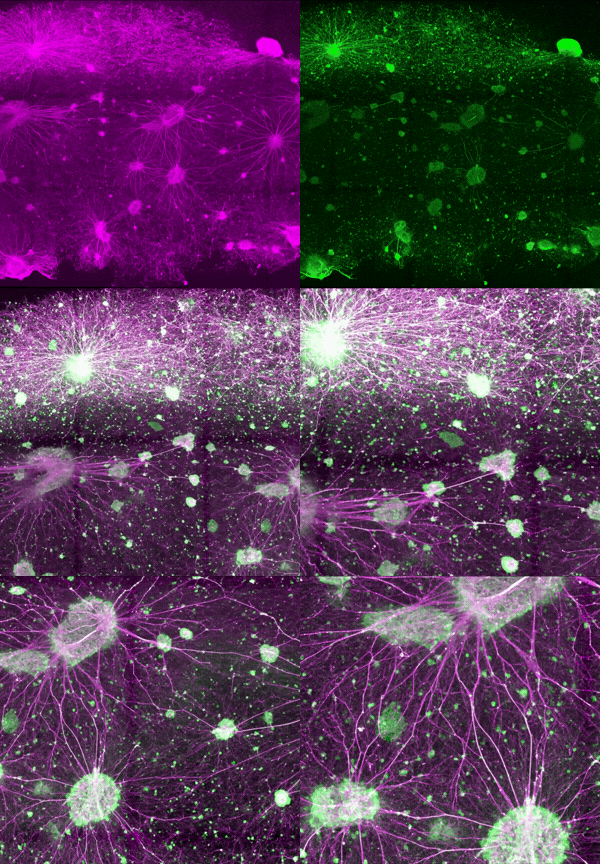
All-in-one, ready-to-use kit for 3D neural stem cell culture.
New
Cell Culture Media (Animal Origin-Free)
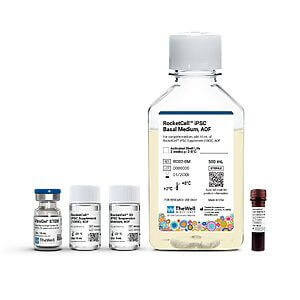
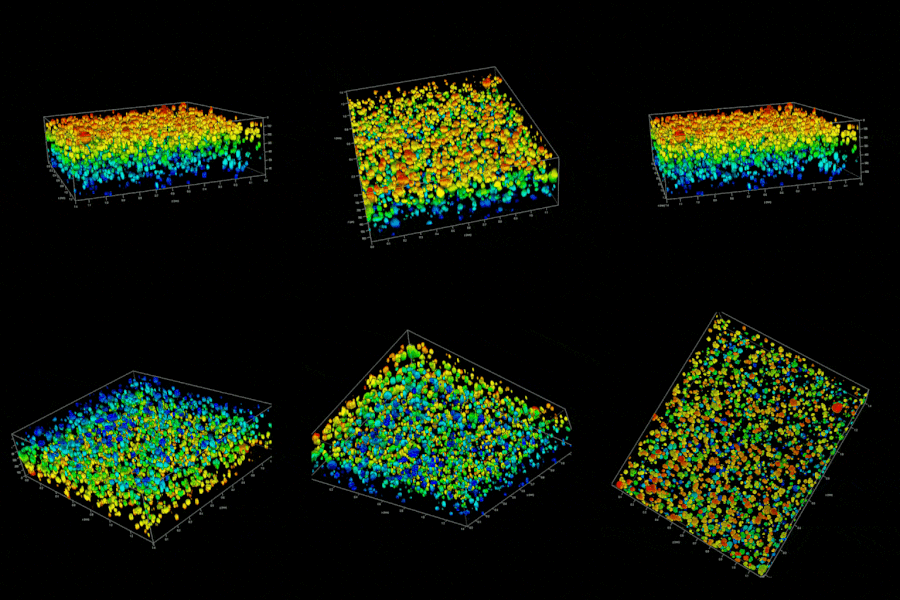
An all-in-one, animal origin-free kit with optimized matrix, medium, and reagents for 3D iPSC expansion.
New
Cell Culture Media (Animal Origin-Free)
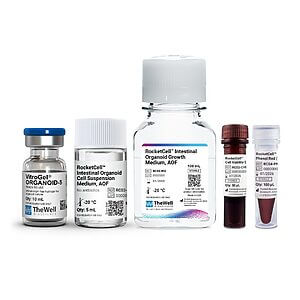
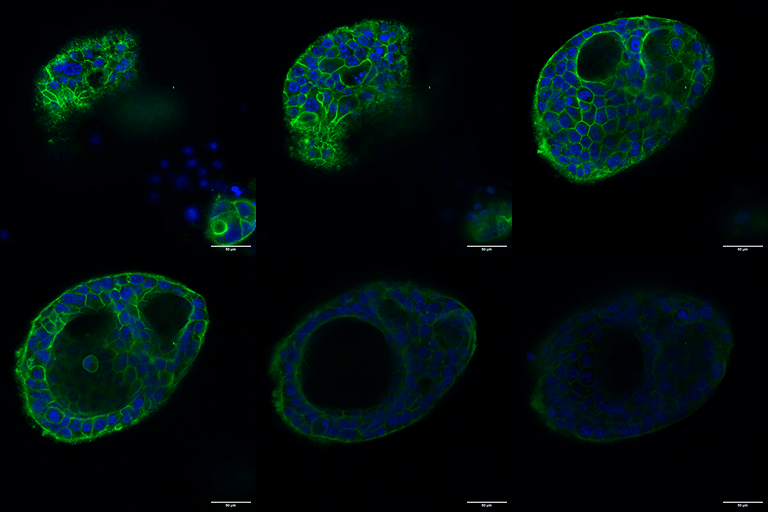
All-in-one, animal origin-free kit for growth, expansion, and passaging of apical-out intestinal organoids.
New
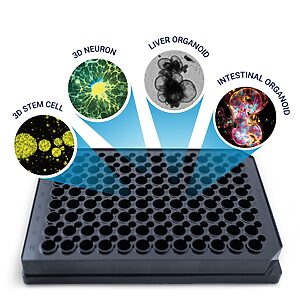
3D Culture Imaging Plates
A premium cover-glass bottom plate for zero sample disruption 3D cell culture workflow: from cell seeding to high-resolution imaging.


3D Culture Vessels
Unique surface treated for superior hydrogel spreading, adherence, and uniform surface.
Cell Harvesting Solution
Chemically defined, non-enzymatic cell harvesting solution to recover cells/organoids from hydrogel or an animal-based ECM within 15 minutes.

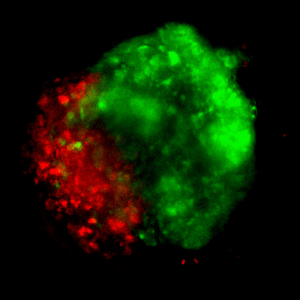
Downstream Cell Analysis
Fast (15 min), versatile, live/dead cell viability analysis for 3D and 2D cell culture.
| Size | 50 μL, 500 μL |
|---|
Related products
New
Cell Culture Media (Animal Origin-Free)
All-in-one, ready-to-use kit for 3D neural stem cell culture.
NEW
Culture Media and Supplements
N2B27-Like Premixed Animal Origin-Free Supplement
NEW
Culture Media and Supplements
N2-like Animal Origin-Free Supplement
NEW
Cell Culture Media (Xeno-Free)
$149.00
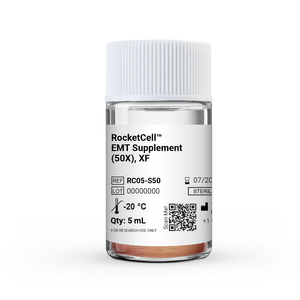
Xeno-Free supplement designed to induce EMT Tumoroid formation. Hydrogel can be purchased separately. Click here Full EMT kit available.Click here
New
Cell Culture Media (Animal Origin-Free)
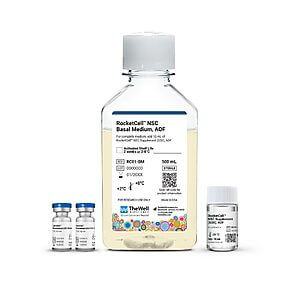
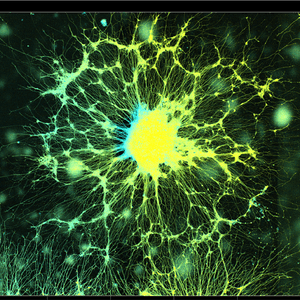
Animal origin-free complete medium for 3D and 2D neural stem cell culture
New
Cell Culture Media (Animal Origin-Free)
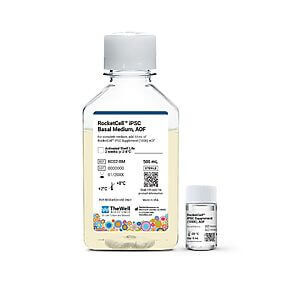
Animal origin-free medium for 2D and 3D expansion of pluripotent stem cells.