10+
Years of 3D Expertise
500+
Cell & Tissue Models
200+
Organizations
400+
Publications

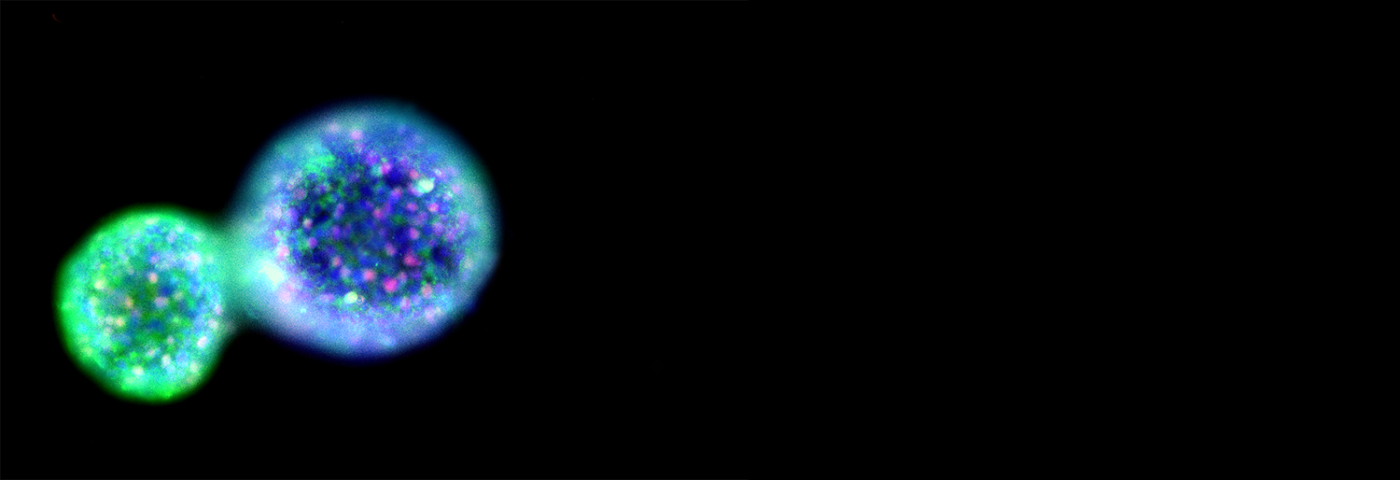
Explore 3D Model Development Services with TheWell Bioscience
With more than 10 years of 3D cell culture expertise and experience supporting 500+ cell and tissue models, TheWell Bioscience provides customized, animal-origin-free 3D model development, assay-ready culture, and compound screening services.
Years of 3D Expertise
Cell & Tissue Models
Organizations
Publications
Custom, validated 3D models built for your biology, from feasibility studies to SOPs and functional data.
Establish a new model or adapt an existing one to your cell type or disease.
Provide ready-to-use VitroPrime™ culture plates with your cells seeded, cultured, and QC’d, delivered assay-ready.
Skip the setup and receive plates ready to dose or image.
Drug and compound screening in 3D, including IC50, dose-response, and combination studies.
Generate efficacy or toxicity data in a physiologically relevant 3D model.
Start with an Existing Model or Build Your Own
You don’t always need to start from scratch. Tell us what model you need, and our scientists will first determine whether an established workflow can be adapted or whether a custom model is needed.
Start faster with an established workflow. Many projects begin from a model we’ve already validated — adapted to your cell type, then extended. Ask us what’s ready now.
Build a customized workflow for your application.
Cell/tissue selection → ECM optimization → media optimization → culture conditions → characterization → functional assay → SOP.
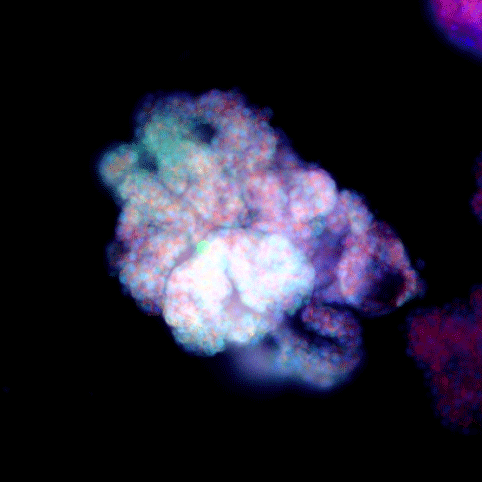
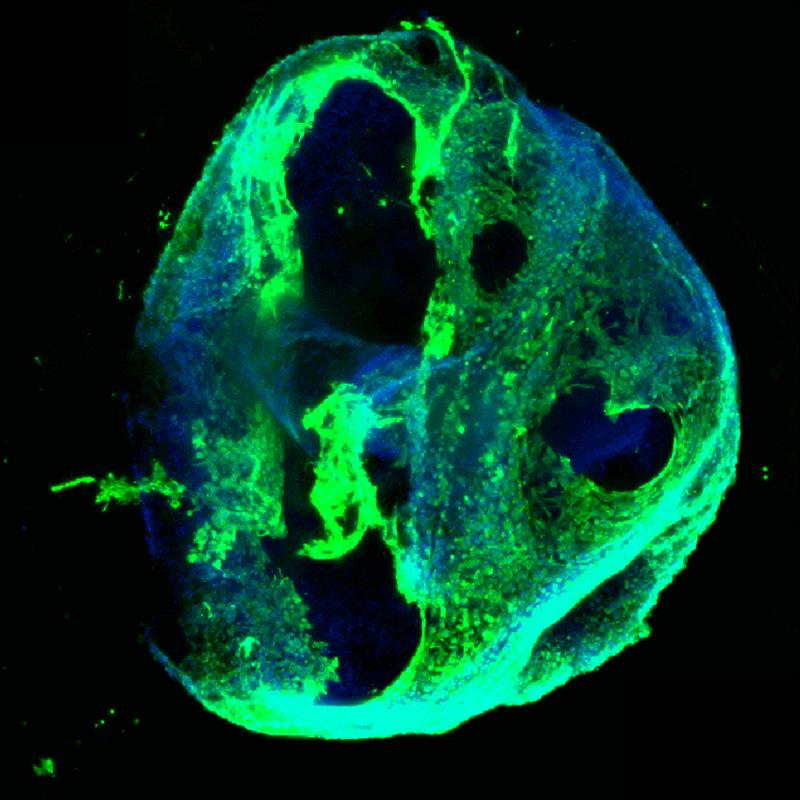
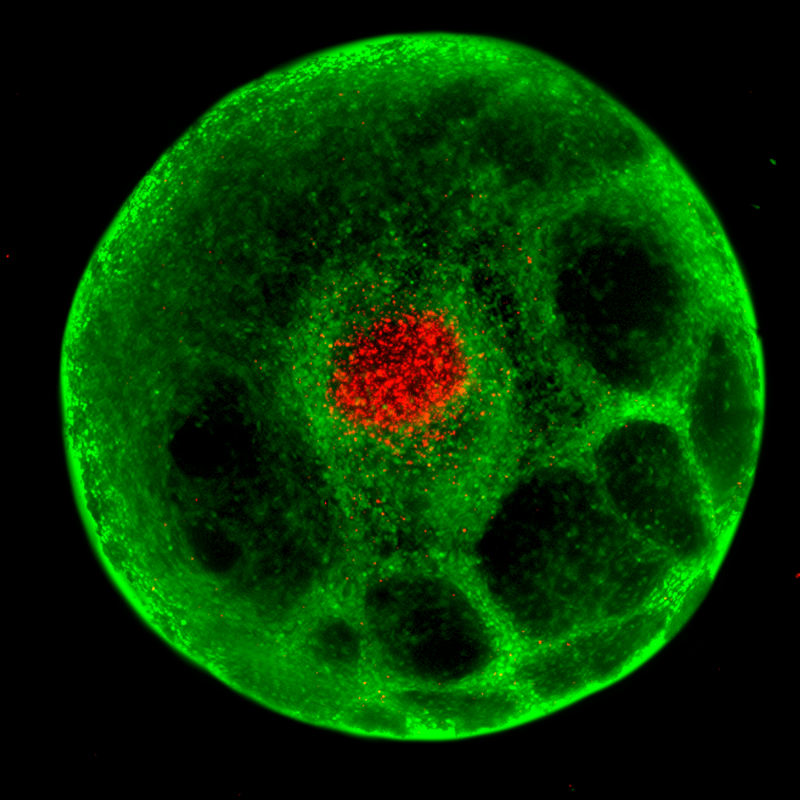
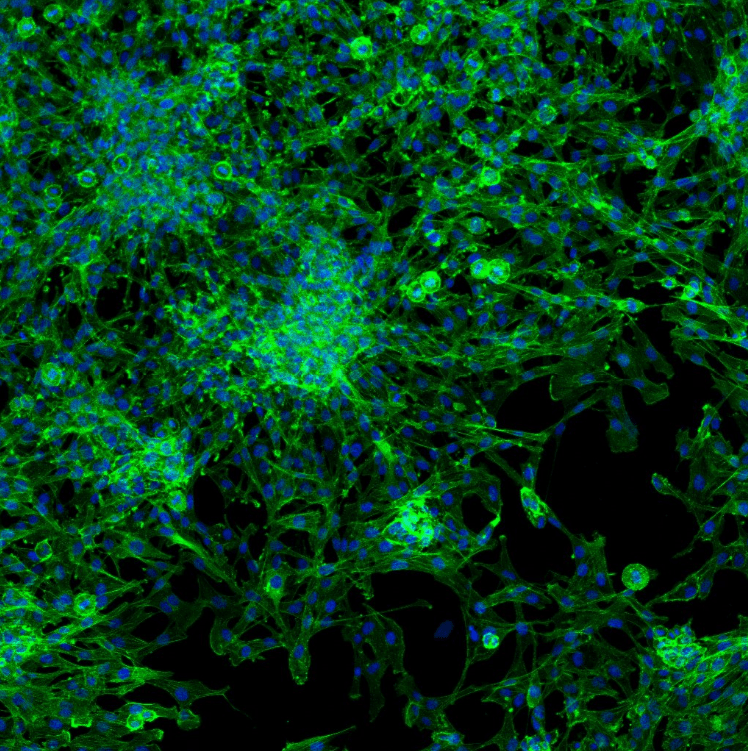
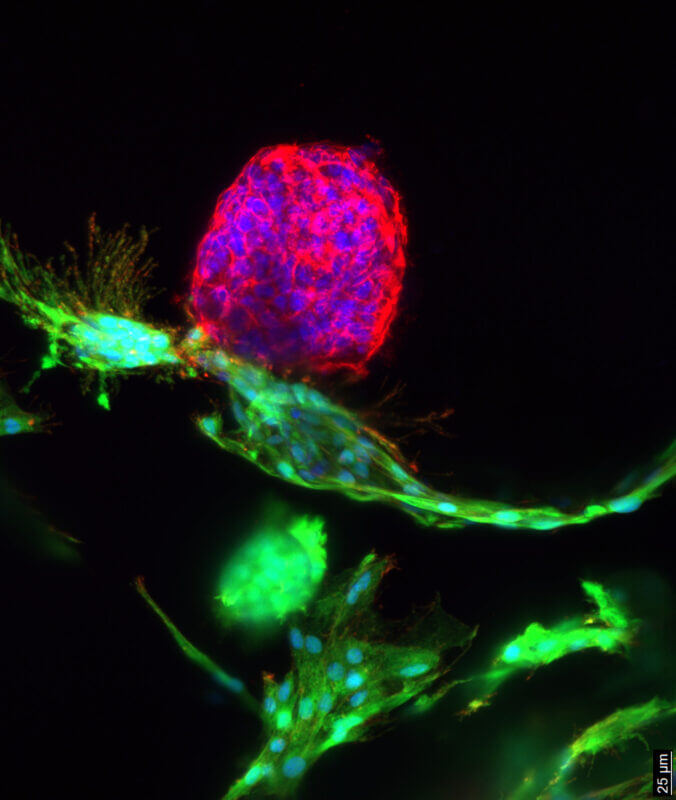
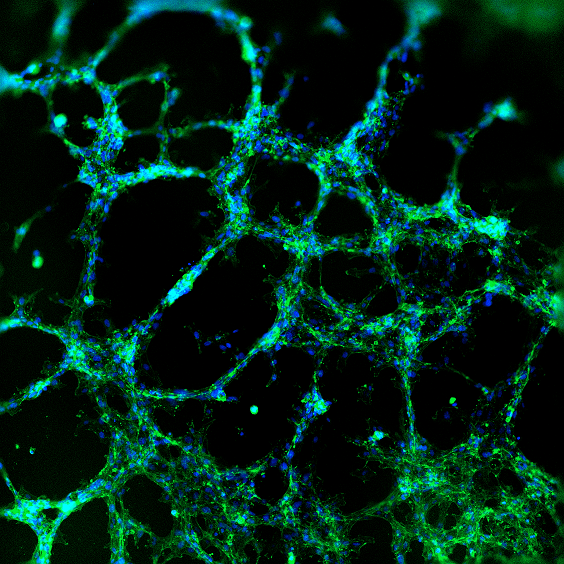
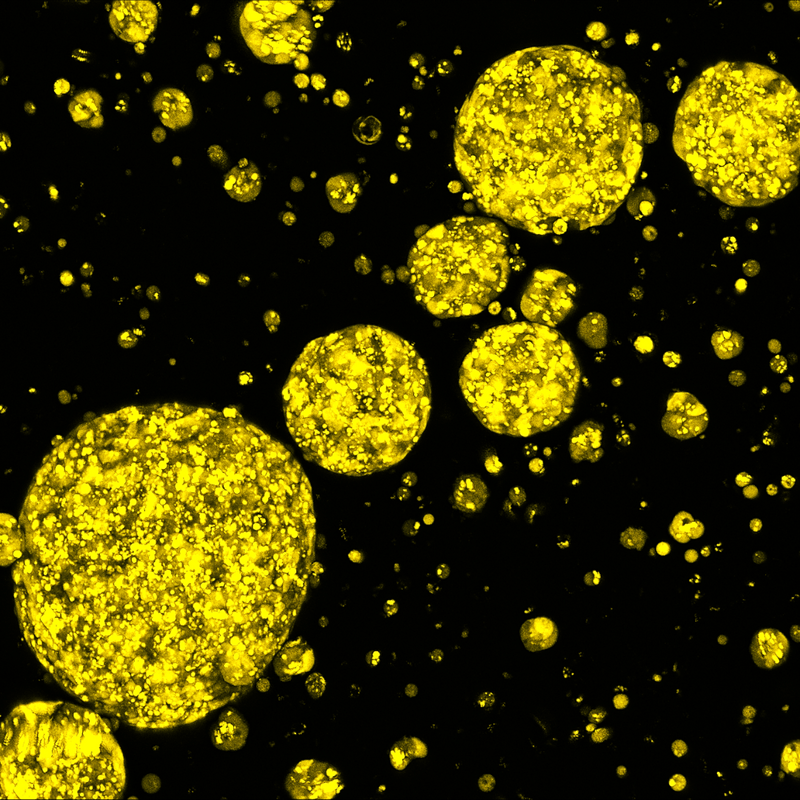

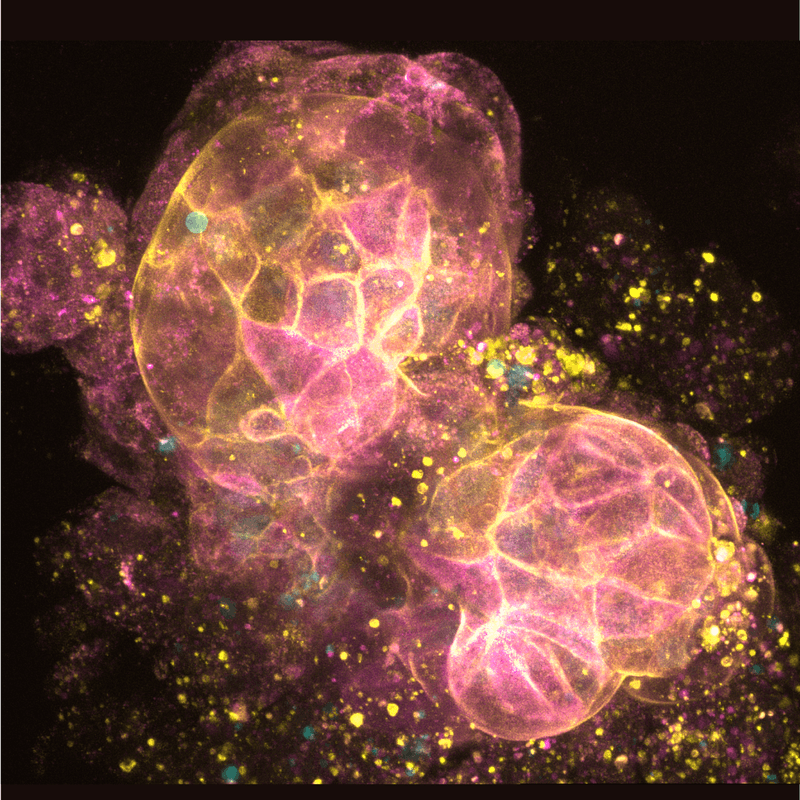
| Model category | Examples | Typical applications | Availability |
|---|---|---|---|
| Organoids | Gastrointestinal, liver & pancreatic, kidney, neural, respiratory, reproductive | Disease modeling, differentiation, tissue biology | Ready to start; Custom |
| Tumoroids & PDOs | Patient-derived tumor organoids across multiple cancer types | Efficacy screening, patient-relevant oncology | Ready to start; Custom |
| Disease-specific | Glioblastoma (GBM), fibrosis, other disease models | Mechanism studies, targeted drug testing | Custom |
| Invasion & migration | 3D invasion, migration, and EMT models | Metastasis research, anti-invasion compound testing | Ready to start; Custom |
| Spheroids | Tumor spheroids, MSC and stem-cell spheroids | HTS, viability and toxicity, aggregation studies | Ready to start |
| Co-culture | Tumor–immune, tumor–stroma, multi-cell-type systems | Tumor microenvironment, immuno-oncology | Custom |
How 3D Models on Demand Work

Tell us your cell/tissue type, application, desired model and research objective.

Our scientists review your requirements, current workflow and desired endpoints.

We develop or optimize matrix, media, culture format and relevant assays.

Receive agreed deliverables: SOP, model/plates, characterization, screening data and/or report.
Start Your Project
Share your research goal and requirements. Our team will review your inquiry and recommend whether an existing model, a customized development project, the ScreenReady™ format, or a screening study is the best path.
FAQ
No. The service can support a broad range of 3D models, including organoids, spheroids, tumoroids, invasion, co-culture, angiogenesis/vascular, stem-cell-derived, GBM/EMT and other customized systems.
Yes. The team can evaluate feasibility and define a customized development plan based on the cells/tissue, research objective and desired endpoints.
Yes. Existing workflows using animal-derived ECMs can be evaluated for transfer and optimization into a defined animal-origin-free workflow, when technically appropriate. The team can assess your current workflow, application requirements, and available materials to determine the most suitable approach.
Yes. You can provide your own cells or tissue for applicable projects. Accepted materials, shipping and handling requirements, and project-specific feasibility will be reviewed with the team before submission to ensure the material is suitable for the requested application..
Yes—route qualified projects to ScreenReady™ 3D Models.
Yes—position compound screening as the natural next step after model establishment, subject to project scope and assay feasibility.