
News
Understanding Cell Culture Definitions
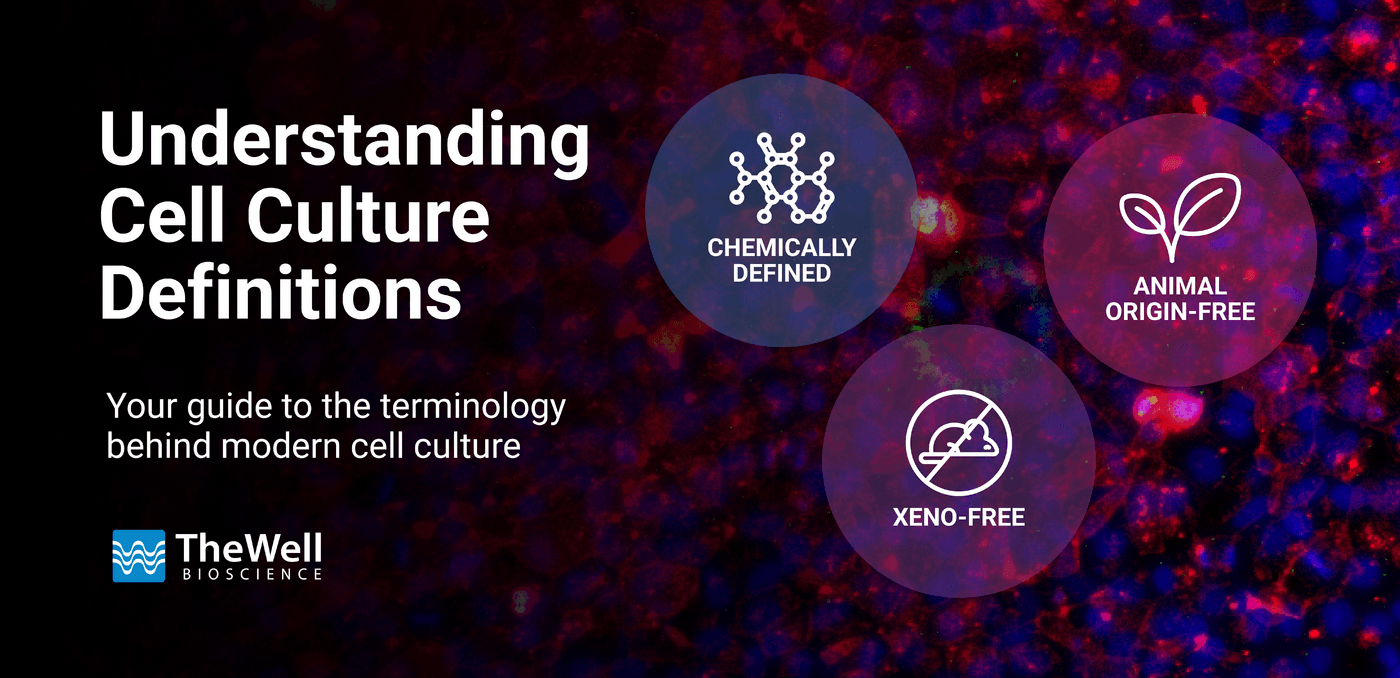
As cell culture workflows become more defined and application-specific, understanding the terminology used to describe matrix, medias and supplements is increasingly important.
Why Do These Definitions Matter?
Choosing the right formulation can help researchers establish a more controlled and reproducible culture environment. For applications such as stem cell culture, differentiation, 3D culture, organoid development, and translational research, understanding exactly what is—and isn’t—in your cell culture components can be critical.
Defining Your Culture Conditions with TheWell Bioscience
At TheWell Bioscience, we offer culture solutions designed to help researchers build more defined, consistent, and reproducible workflows.
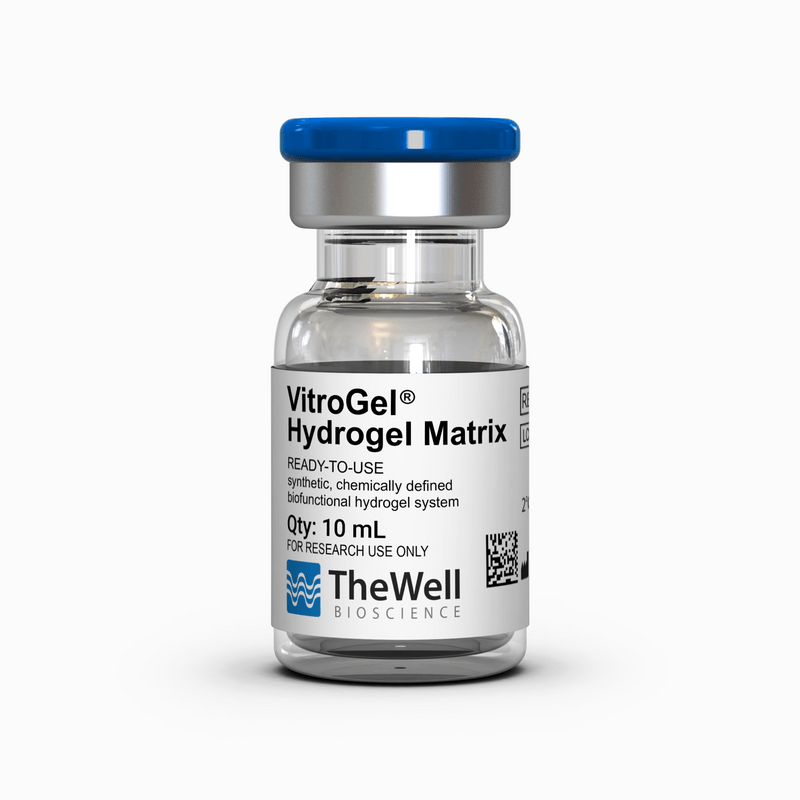
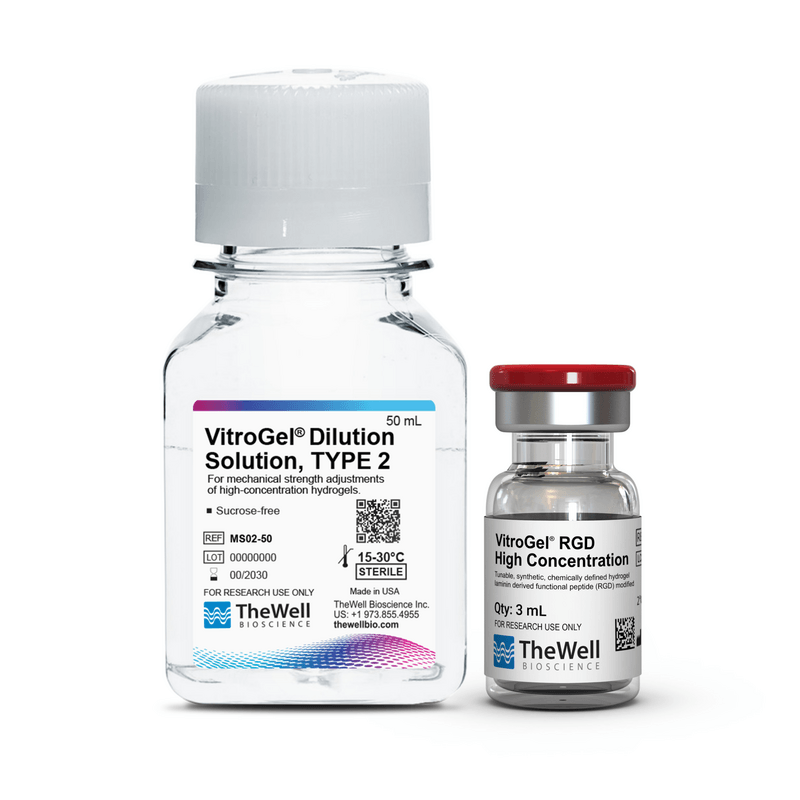
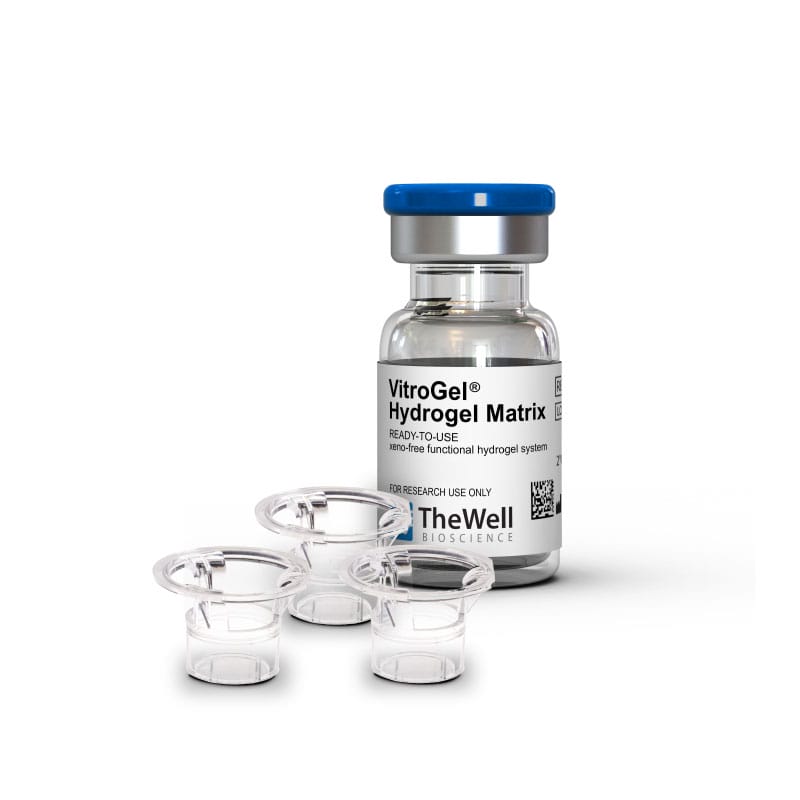
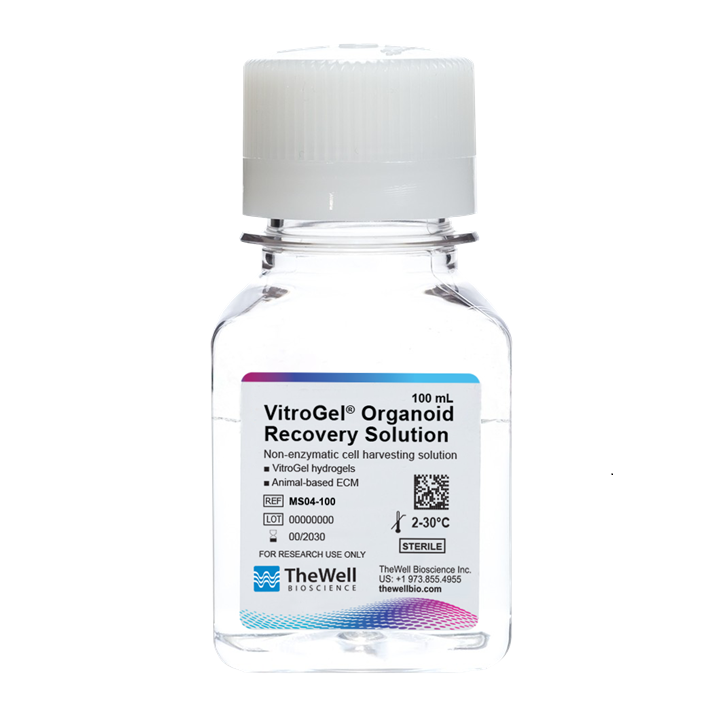
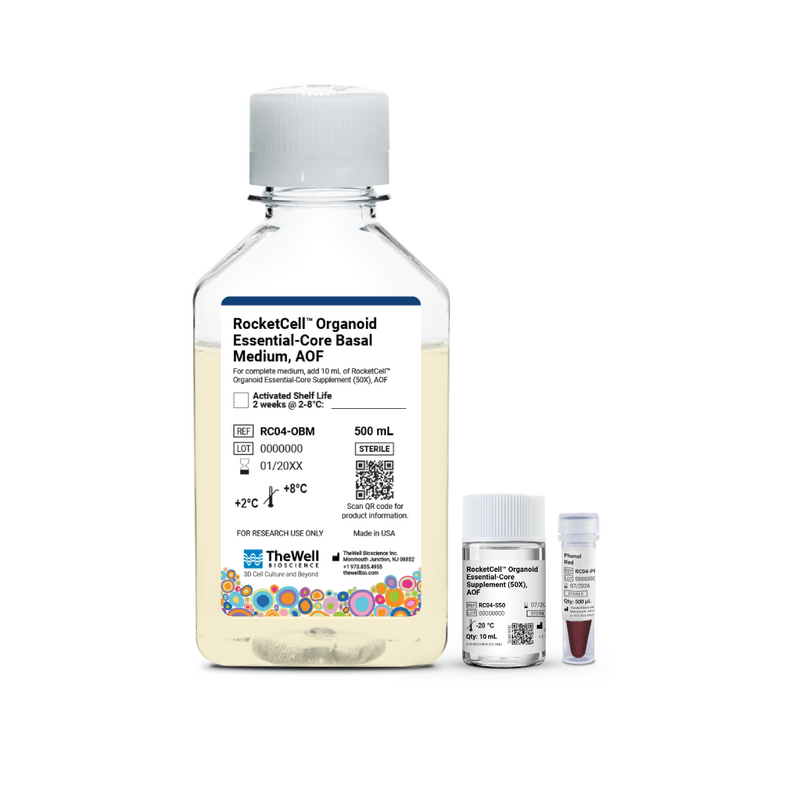
From 3D culture matrices, media, supplements, and recovery solution, choosing components with clearly defined origins can help you better control your cell culture system.
Chemically Defined
- The finished product contains only raw materials with known chemical identities and defined concentrations, such as small molecules, salts, carbohydrates, amino acids, fatty acids, and steroids.
- It does not contain complex materials with undefined compositions. Additionally, neither the finished product nor its manufacturing process uses raw materials derived directly from animal or human tissues or body fluids.


Animal Origin-Free (AOF)
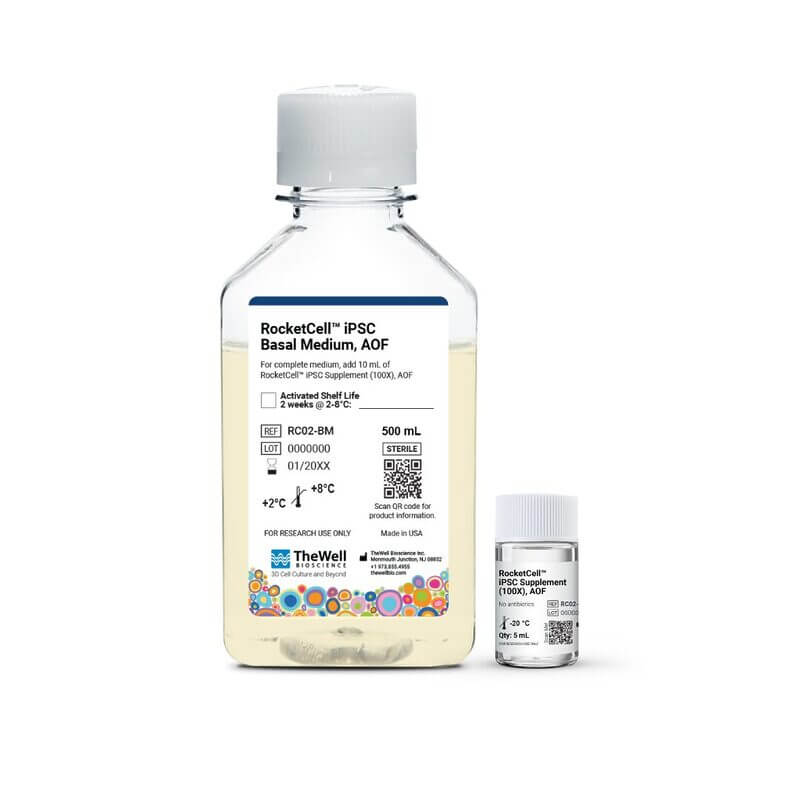
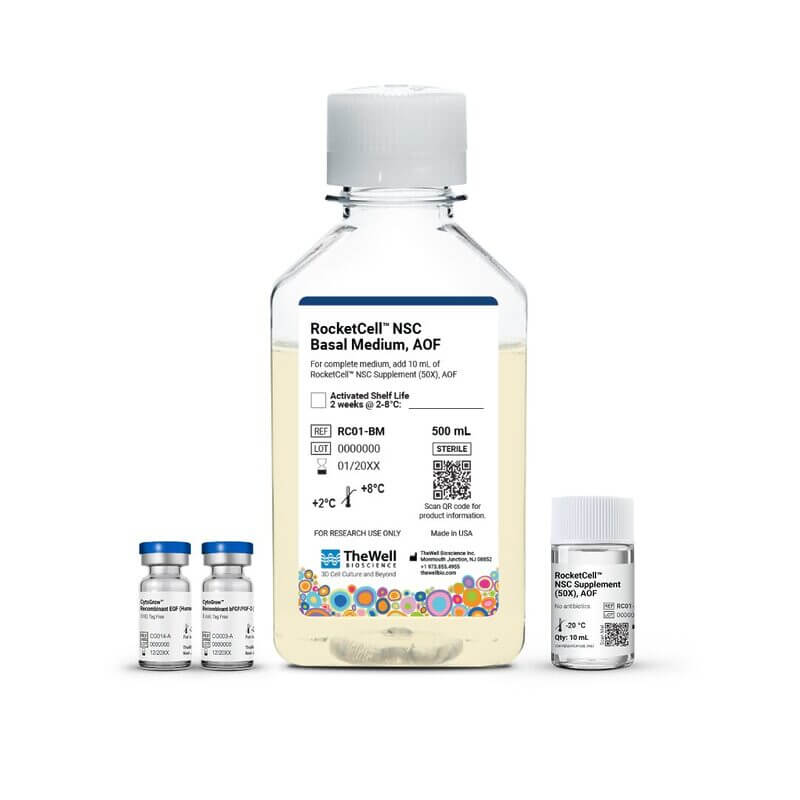
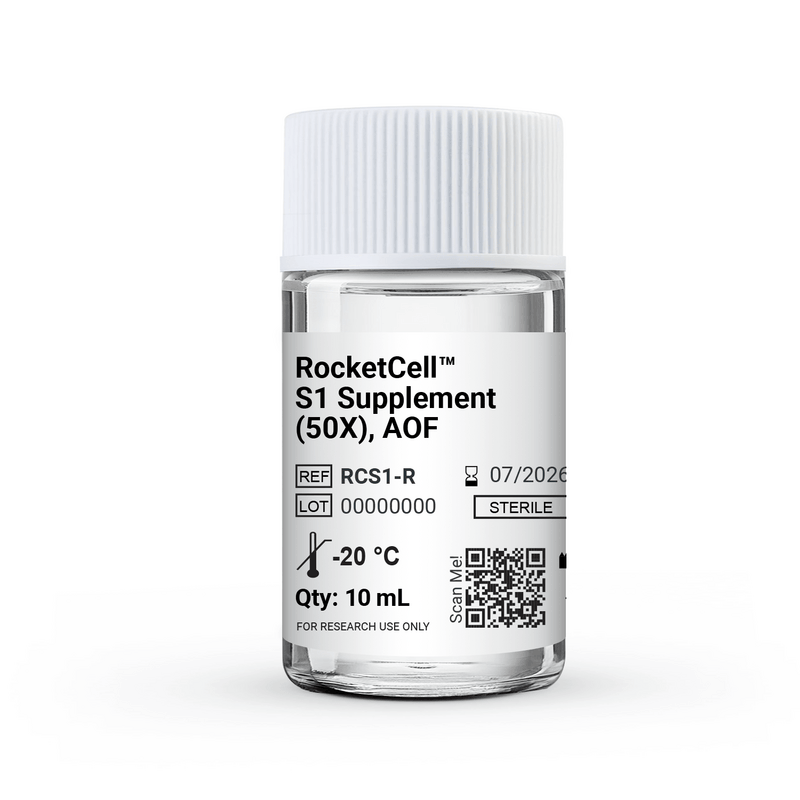
- The finished product and its manufacturing process do not use primary or secondary raw materials directly sourced from animal or human tissues or body fluids. However, tertiary raw materials may originate from animal or human tissues, body fluids, or cell lines.
Xeno-Free (XF)
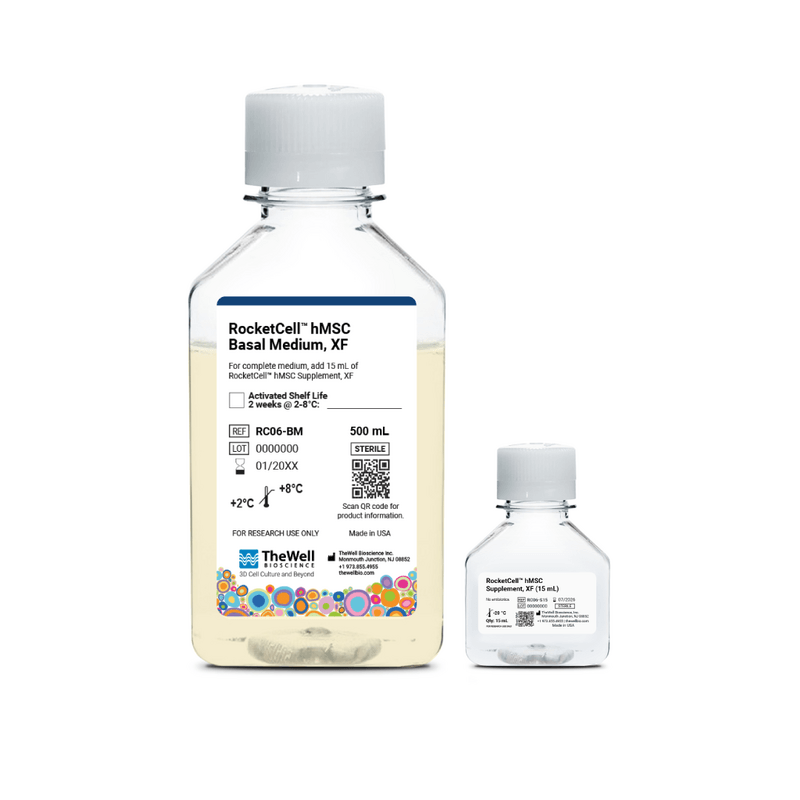
- The finished product and its manufacturing process do not use primary raw materials directly sourced from non-human animals or recombinant materials produced using DNA sequences derived from non-human animals.
- Primary raw materials may instead come from human sources or include recombinant materials produced using plant, bacterial, yeast, or human cell expression systems. Animal-derived components may still be present in secondary or tertiary raw materials.
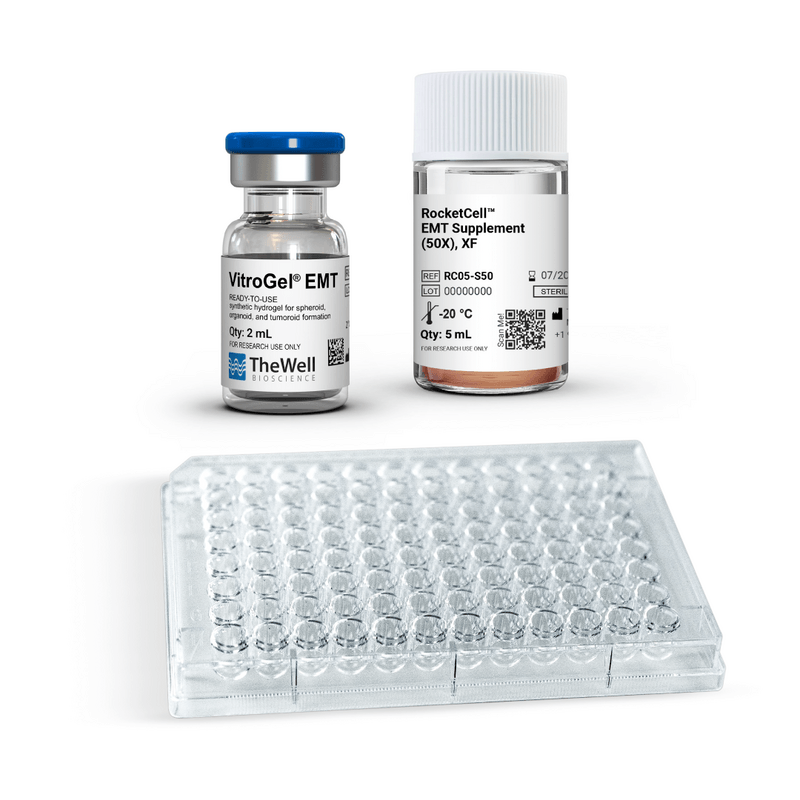
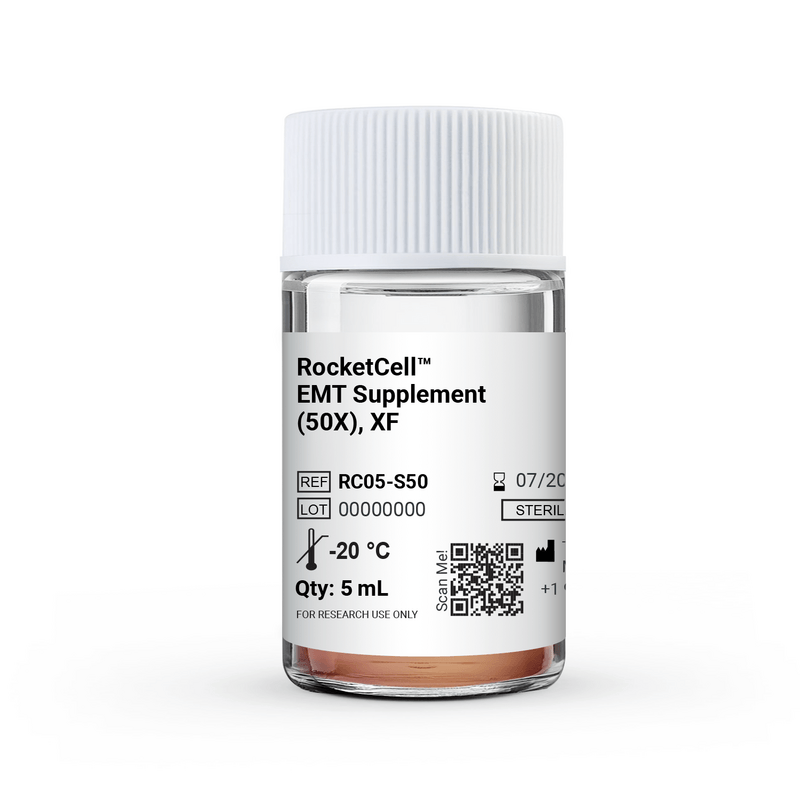
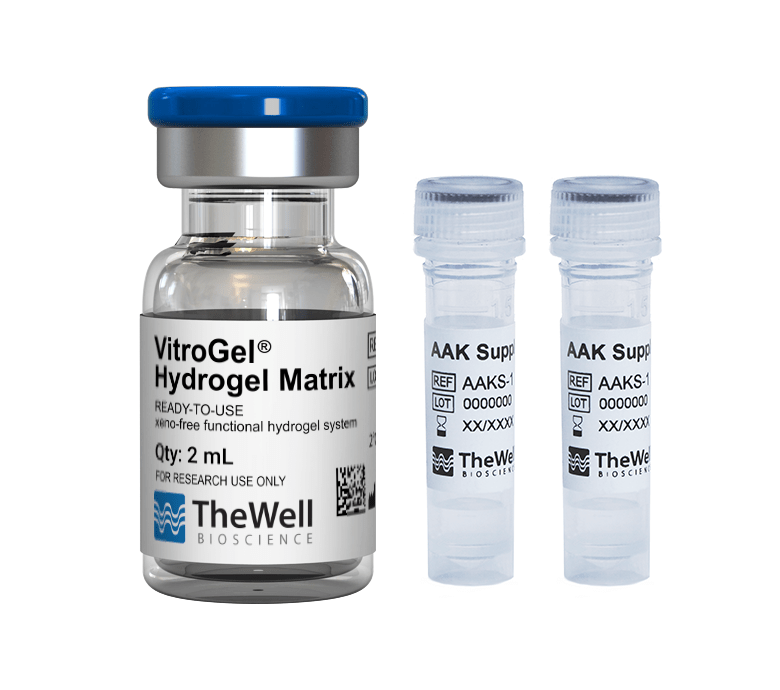
Discover how our end-to-end platform can support your cell culture research
Explore our updated resources for a concise overview of VitroGel®’s key features and application areas.
Comparison of VitroGel® vs. Animal-based ECM
Discover the 20+ advantages of VitroGel® over animal-based ECM with this comprehensive comparison on key features, operation, application, and storage conditions.
Learn More
What is VitroGel® | Overview Video
Learn why VitroGel® is the leading animal-free hydrogel for 3D cell culture.
Learn More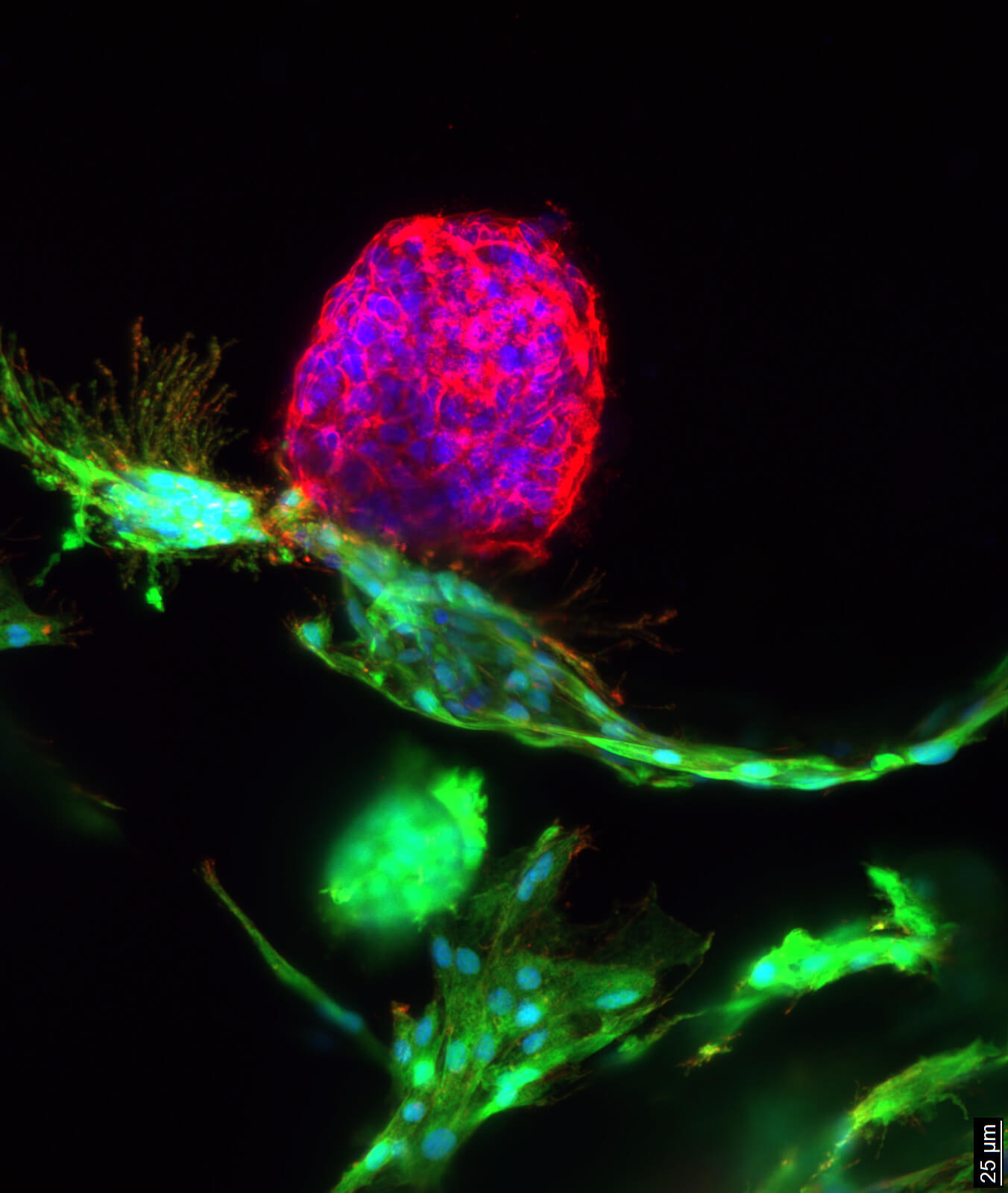
End-to-end Platform for Organoid Culture
Learn about our solutions for consistent and robust organoid culture.
Learn More