
Animal Origin-Free and Chemically Defined System
Contains no animal-derived components, providing a more defined culture environment while helping reduce batch-to-batch variability for greater consistency and reproducibility.
New

RocketCell™ Intestinal Organoid Growth Medium, AOF
Animal origin-free growth medium for intestinal organoids
$449.00
RocketCell™ Intestinal Organoid Growth Medium, AOF
Animal origin-free growth medium for intestinal organoids

Ready-to-use Complete Medium and Simplified Workflow
Eliminates the need for complex, multi-component media preparation and repeated supplementation, making routine organoid culture more convenient.

Flexible Integration and Wide Compatibility
Supports intestinal organoid growth in synthetic VitroGel® and animal-derived ECMs. Easily integrates into existing culture protocols and hydrogel systems for greater workflow flexibility.

Optimized for Intestinal Organoids
Growth media is specifically designed for intestinal organoids & supports intestinal organoid maturity.
RocketCell™ Intestinal Organoid Growth Medium, AOF (TheWell Bioscience, Cat# RC03-M2) is a ready-to-use, optimized culture medium designed for the growth and maintenance of intestinal organoids in 3D culture. It is compatible with both synthetic hydrogels, such as VitroGel™, and animal-derived extracellular matrix (ECM)-based gels, such as Matrigel®, providing flexibility across different intestinal organoid culture systems.
The ready-to-use formulation eliminates the need to add additional growth factors, supplements, or small molecules, simplifying media preparation and reducing variability between experiments. The medium can be used directly to culture mature intestinal organoids in 3D, supporting the maintenance of key intestinal functions, architecture, structural organization, and morphological characteristics.
RocketCell™ Intestinal Organoid Growth Medium provides a convenient and reproducible solution for researchers working with intestinal organoids in applications including intestinal biology, drug discovery, disease modeling, toxicity studies, and host–microbe interaction research.

Protocols and Resources
Product Documentation
 Product Data Sheet
Material Safety Data Sheet (MSDS)

Data and References
CASE 1
Organoid Growth Comparison: RocketCell™ Intestinal Organoid Growth Medium, AOF vs. Commercial Intestinal Organoid Medium using Animal-based ECM
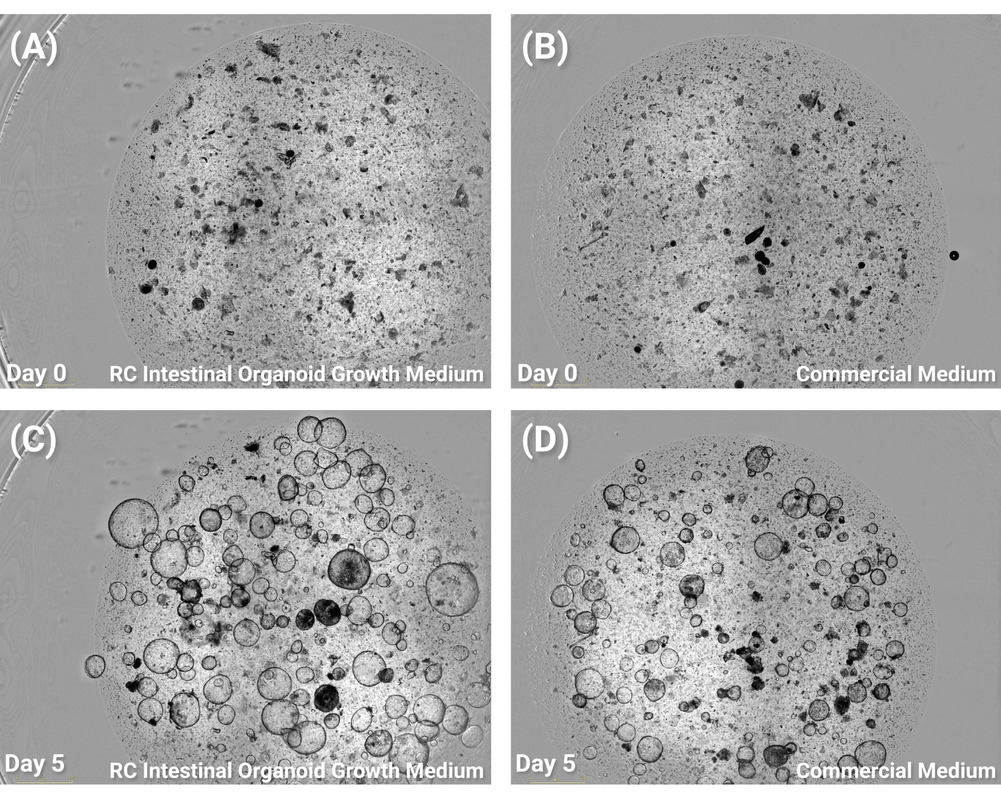
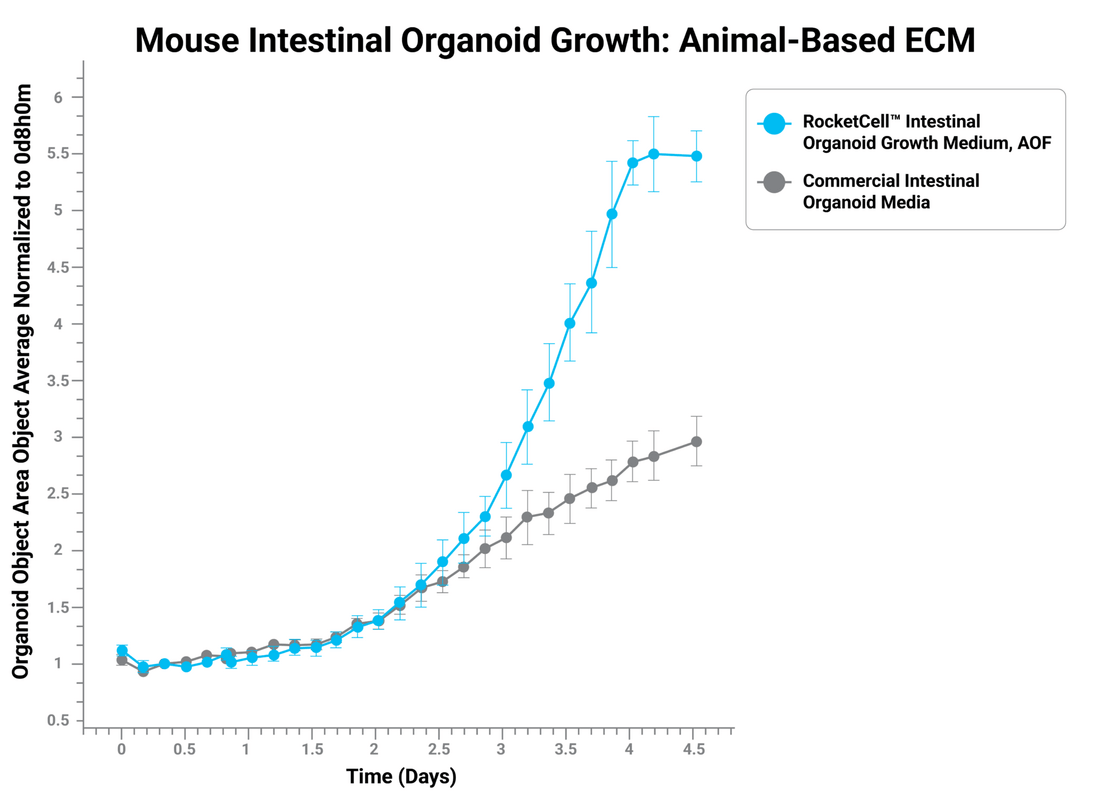
Figure 1: Intestinal Organoid Growth Comparison: RocketCell™ Intestinal Organoid Growth Medium vs. Commercial Intestinal Organoid Media | Animal-Based ECM.
RocketCell™ Intestinal Organoid Growth Medium and commercial intestinal organoid media were prepared according to the manufacturer’s instructions. Organoids were cultured in an animal-derived gel (Matrigel) as domes, and growth was compared between 2 media types. (A&B) Organoid fragments cultured in media prepared using RocketCell™ Intestinal Organoid Growth Medium and commercial intestinal organoid media: Day 0. (C&D) Intestinal organoid growth after 5 days. (E) Normalized mouse intestinal organoid area from day 0 to day 5.
CASE 2
RocketCell™ Intestinal Organoid Growth Medium, AOF Supports Apical-Out Intestinal Organoid Generation with VitroGel® ORGANOID hydrogel
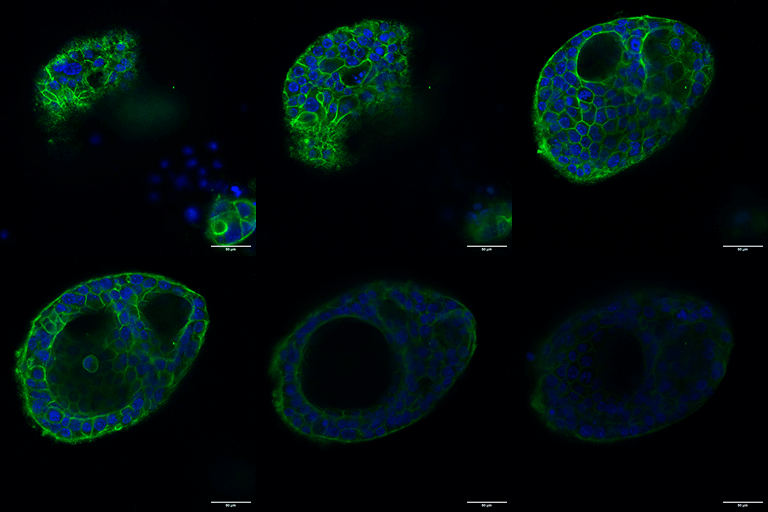
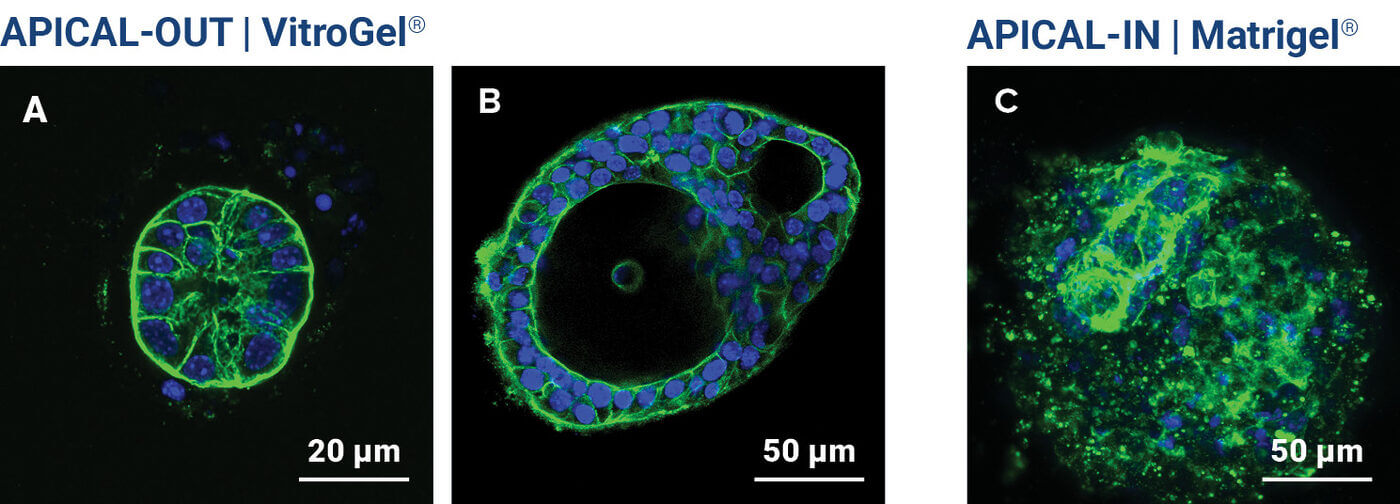
Figure 2. RocketCell™ Intestinal Organoid Growth Medium, AOF supports apical-out polarity in intestinal organoids when cultured in VitroGel® ORGANOID, in contrast to the apical-in polarity observed in animal-based hydrogels.
(A) A young intestinal organoid cultured in VitroGel® ORGANOID with apical-out polarity. (B) A mature intestinal organoid cultured in VitroGel® ORGANOID demonstrates complex lumen structures while maintaining apical-out polarity. (C) An organoid with apical-in polarity cultured in Matrigel with RocketCell™ Intestinal Organoid Growth Medium, AOF. Green represents Phalloidin staining, and blue represents DAPI nuclei staining.
CASE 3
Immunofluorescence Staining: iPSC-derived Intestinal Organoids Cultured Using RocketCell™ Intestinal Organoid Growth Medium, AOF
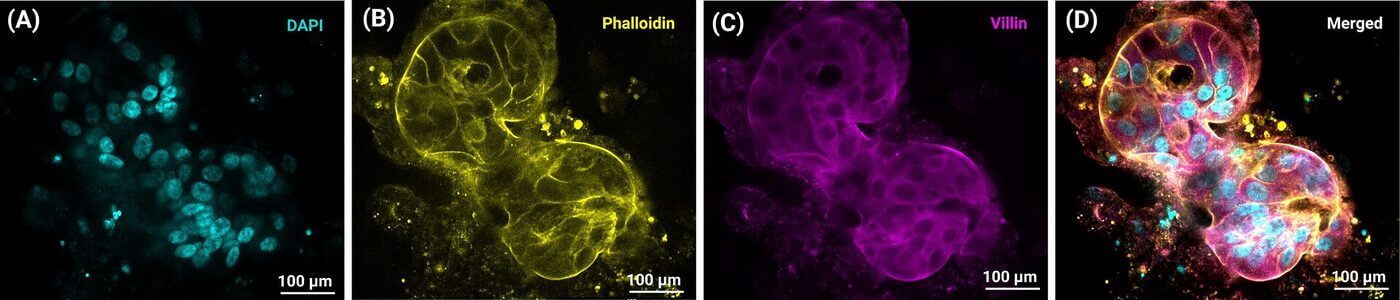
Figure 3: Use of VitroGel® hydrogels to generate an iPSC-derived intestinal organoid with apical-out polarity. Representative images showing intestinal organoids cultured in VitroGel® ORGANOID. iPSC cells were cultured in VitroGel® STEM to generate spheroids. Spheroids were then differentiated to intestinal organoids using CytoGrow™ Growth Factors. (A) Blue staining (DAPI) represents cell nuclei. (B) Yellow fluorescence: Phalloidin; (C) Magenta: Villin protein; (D) Merged image of the iPSC-derived intestinal organoid.
CASE 4
RocketCell™ Intestinal Organoid Growth Medium, AOF Supports Long-Term Intestinal Organoid Growth Over 60 Days
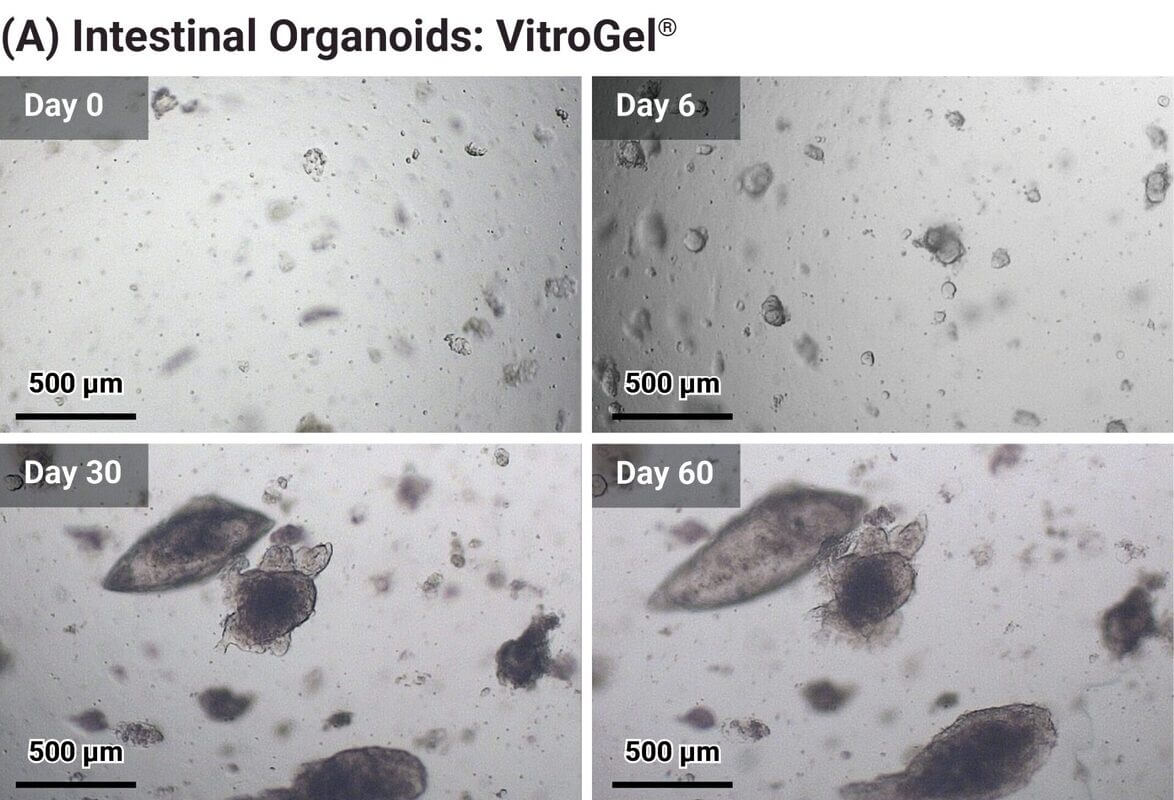
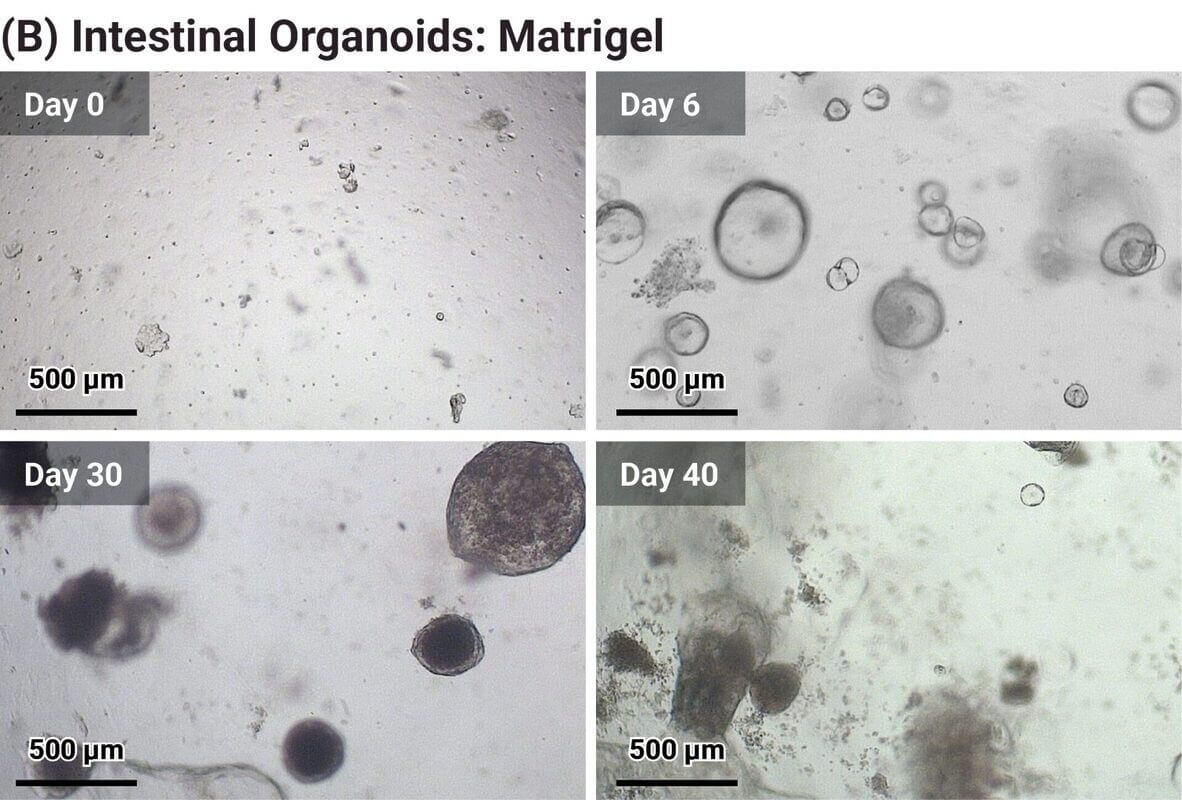
Figure 4. VitroGel® Supports Long-term Organoid Growth. (A) Bright-field images of intestinal organoids cultured and maintained in VitroGel® ORGANOID-3 over 60 days in RocketCell™ Apical-Out Intestinal Organoid Growth Media, AOF (from day 0 through day 60). (B) Intestinal organoids cultured and maintained in Matrigel with RocketCell™ Intestinal Organoid Growth Medium. Organoids in Matrigel started dying after 30 days in 3D culture.
CASE 5
RocketCell™ Apical-Out Intestinal Organoid, AOF Growth Kit Supports Long-term Intestinal Organoid Growth while Maintaining Apical-out Polarity
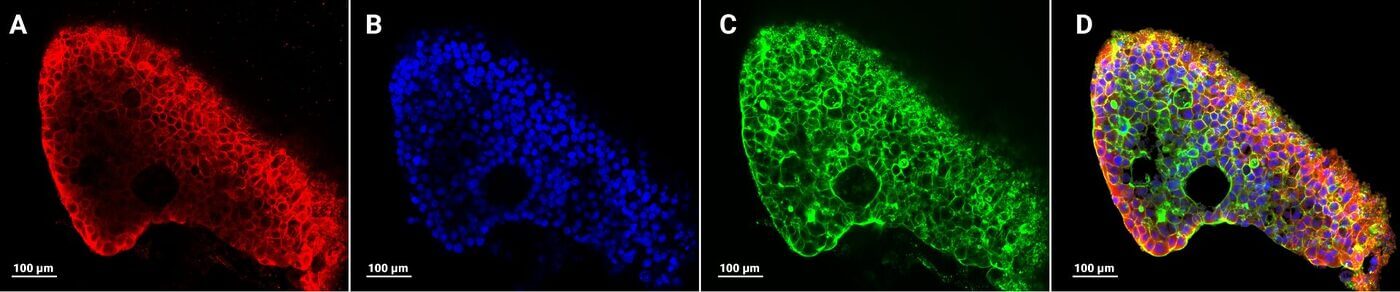
Figure 5: VitroGel® ORGANOID supports long-term organoid growth while maintaining structural integrity. (A) A mature intestinal organoid cultured in VitroGel® ORGANOID stained with β-catenin (in red). (B) DAPI nuclei staining (in blue). (C) Intestinal organoid cultured in VitroGel® ORGANOIDS stained with ZO-1 (in green). (D) Merged image.
Matrigel® is a trademark of Corning Incorporated.
| Product Format | Complete Kit, Growth Medium Only |
|---|
Related products
New
Cell Culture Media (Animal Origin-Free)
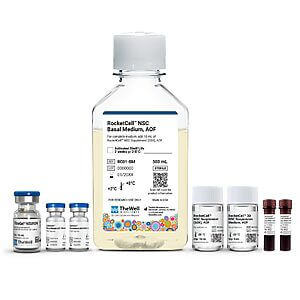
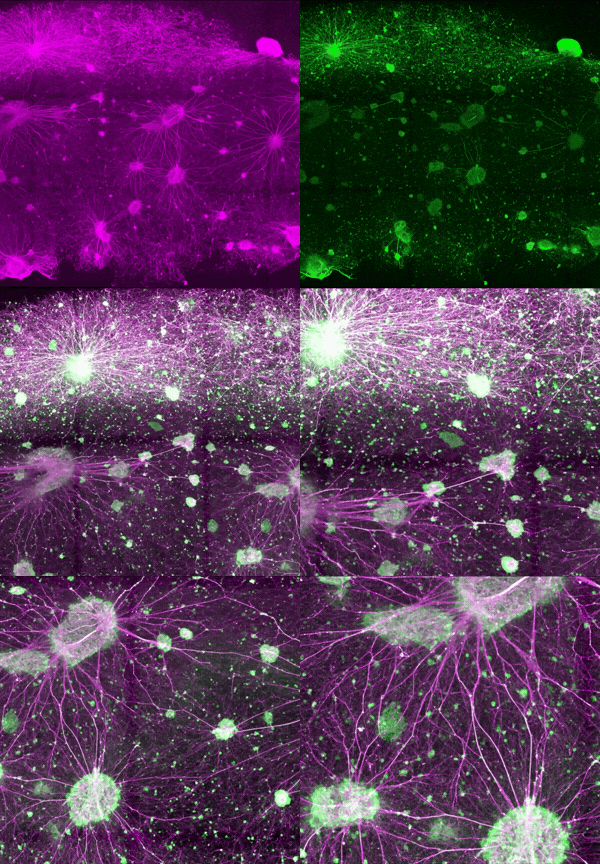
All-in-one, ready-to-use kit for 3D neural stem cell culture.
NEW
Culture Media and Supplements
B27-like, Animal Origin-Free Supplement
New
Cell Culture Media (Animal Origin-Free)
One Core Medium. Endless Organoid Possibilities. An animal origin-free medium that supports multiple organoid types - just add growth factors.
New
Cell Culture Media (Animal Origin-Free)
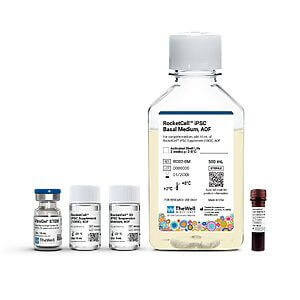
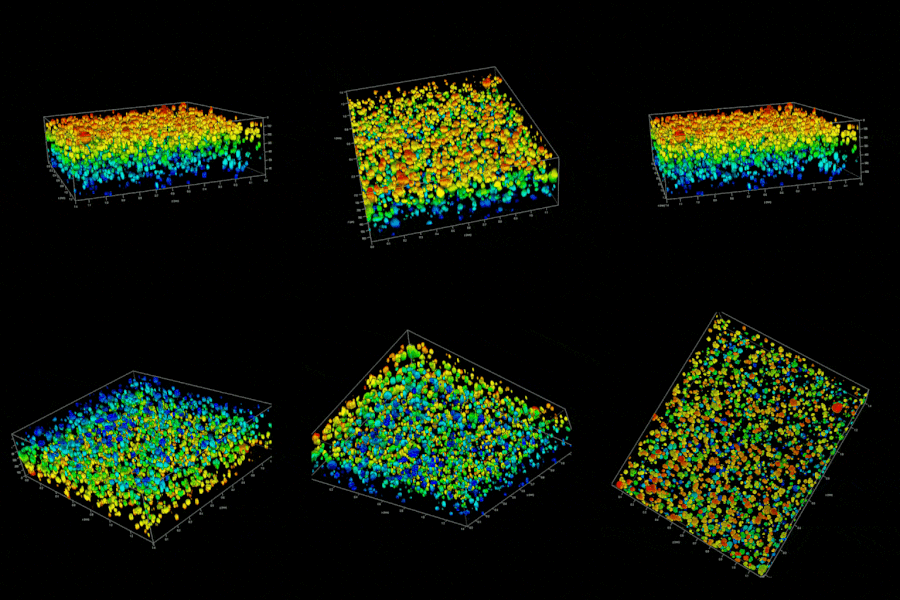
An all-in-one, animal origin-free kit with optimized matrix, medium, and reagents for 3D iPSC expansion.
New
Cell Culture Media (Animal Origin-Free)
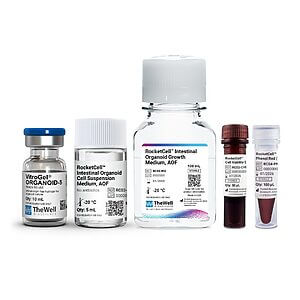
All-in-one, animal origin-free kit for growth, expansion, and passaging of apical-out intestinal organoids.
New
Cell Culture Media (Xeno-Free)
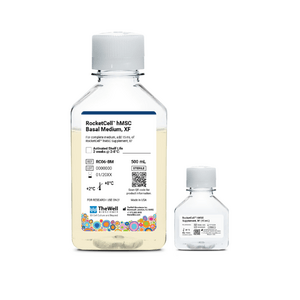
High-performance, xeno-free kit for superior expansion of human mesenchymal stem cells (hMSC)