
White Papers
Culture Apical-Out Organoids with Synthetic VitroGel® System
WHITE PAPER
Kalhara Menikdiwela Ph.D.,
John Huang, Ph.D.
TheWell Bioscience Inc.1 Deerpark Dr, Ste C, Monmouth Junction, NJ 08852, USA
Introduction
Organoids have become valuable in vitro models for studying human biology, disease, and drug responses because they better mimic native tissue architecture than conventional 2D cell cultures. However, most organoid workflows still rely on animal-derived extracellular matrices (ECMs), such as Matrigel®, which introduce batch-to-batch variability, undefined composition, and xenogeneic components, thereby compromising reproducibility and limiting translational applications.
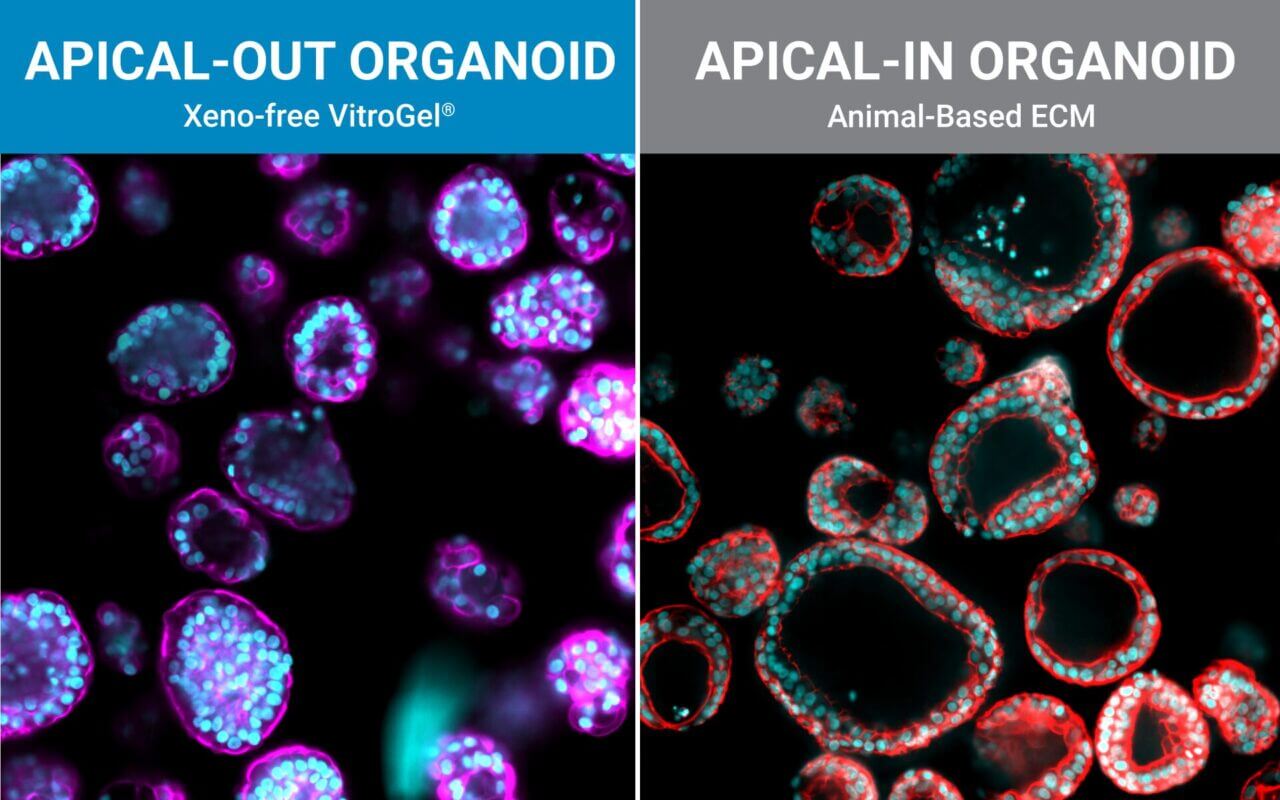
Another limitation of animal-based ECMs is that organoids typically develop an apical-in polarity, where the apical surface is enclosed within the organoid. This makes studies of nutrient absorption, drug transport, and host-microbiome interactions difficult, often requiring labor-intensive methods such as microinjection or suspension culture to access the apical surface.
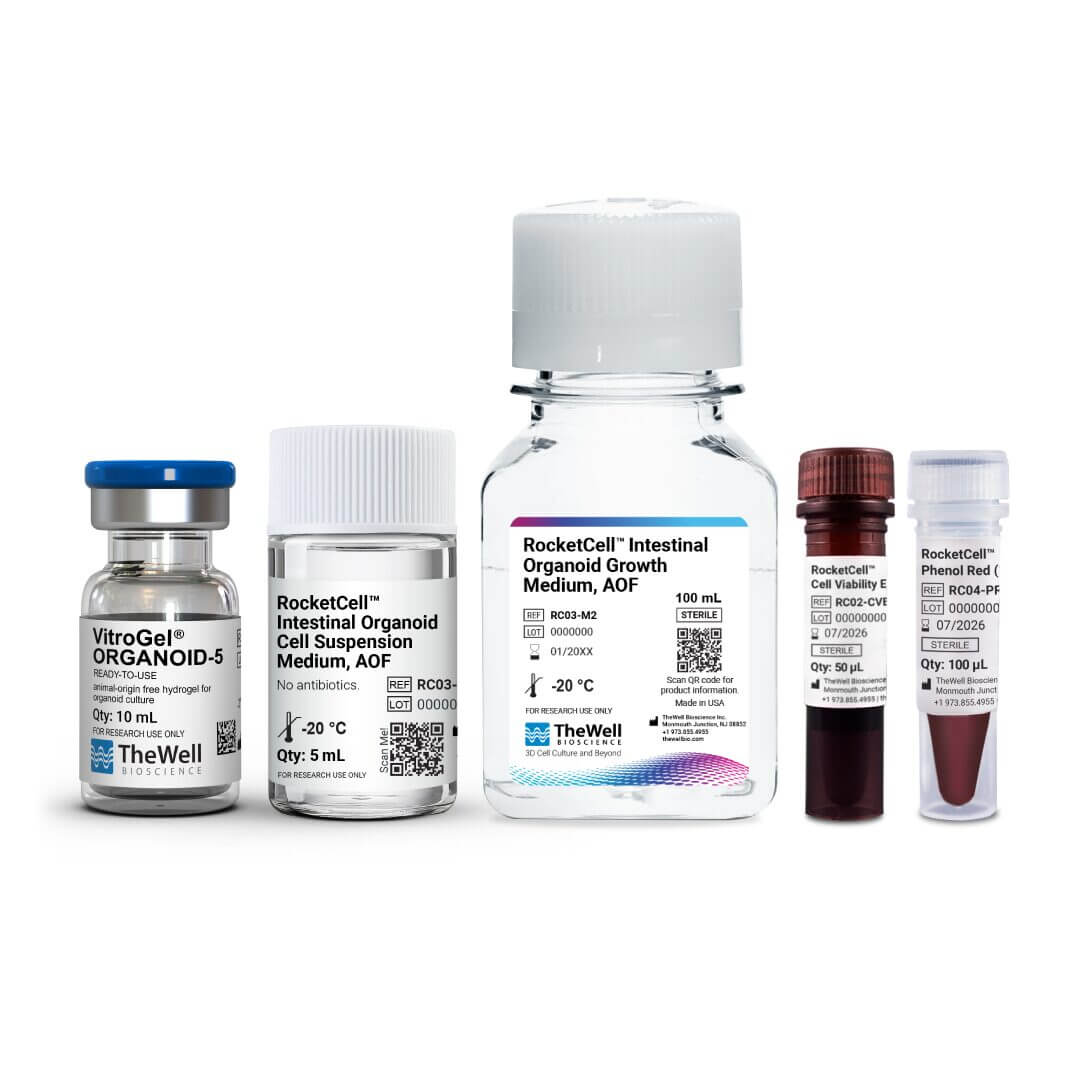
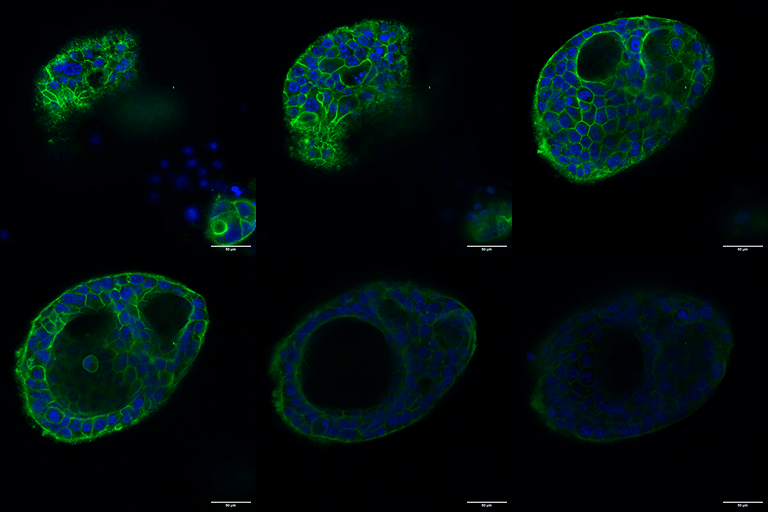
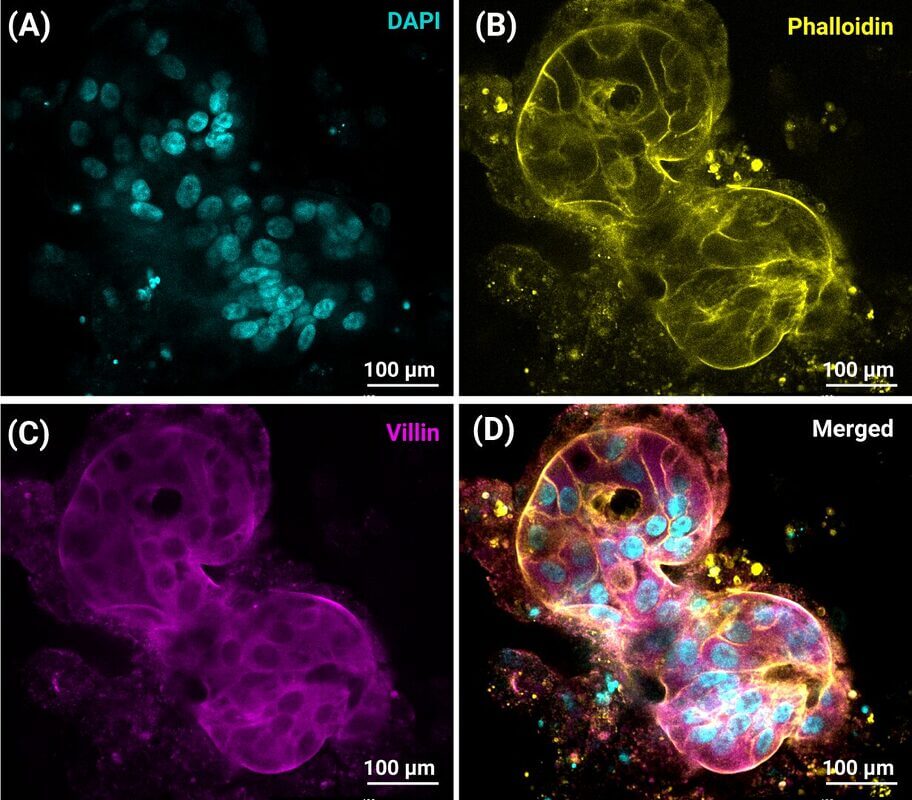
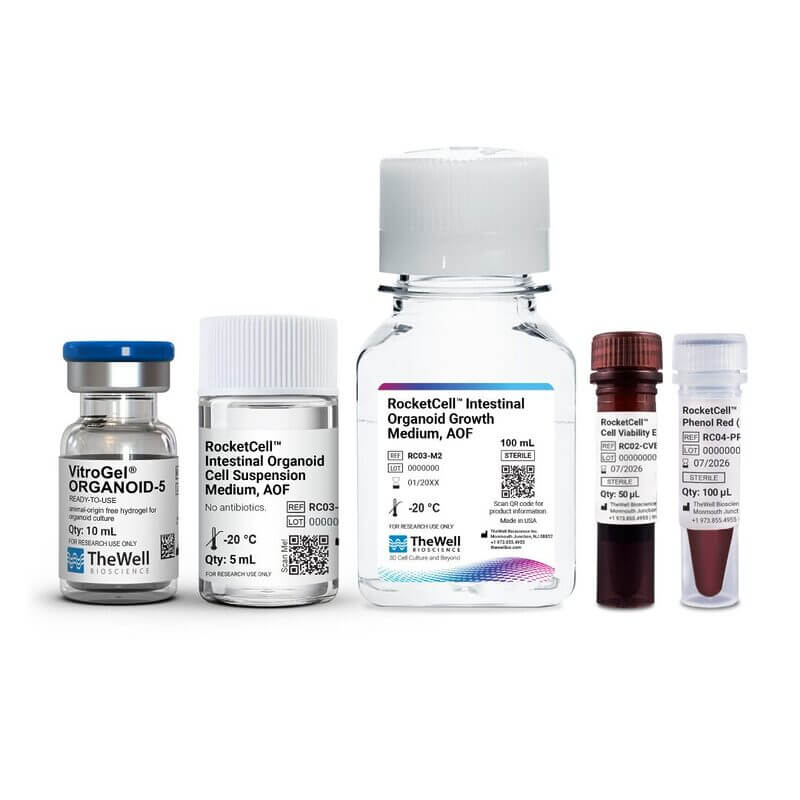
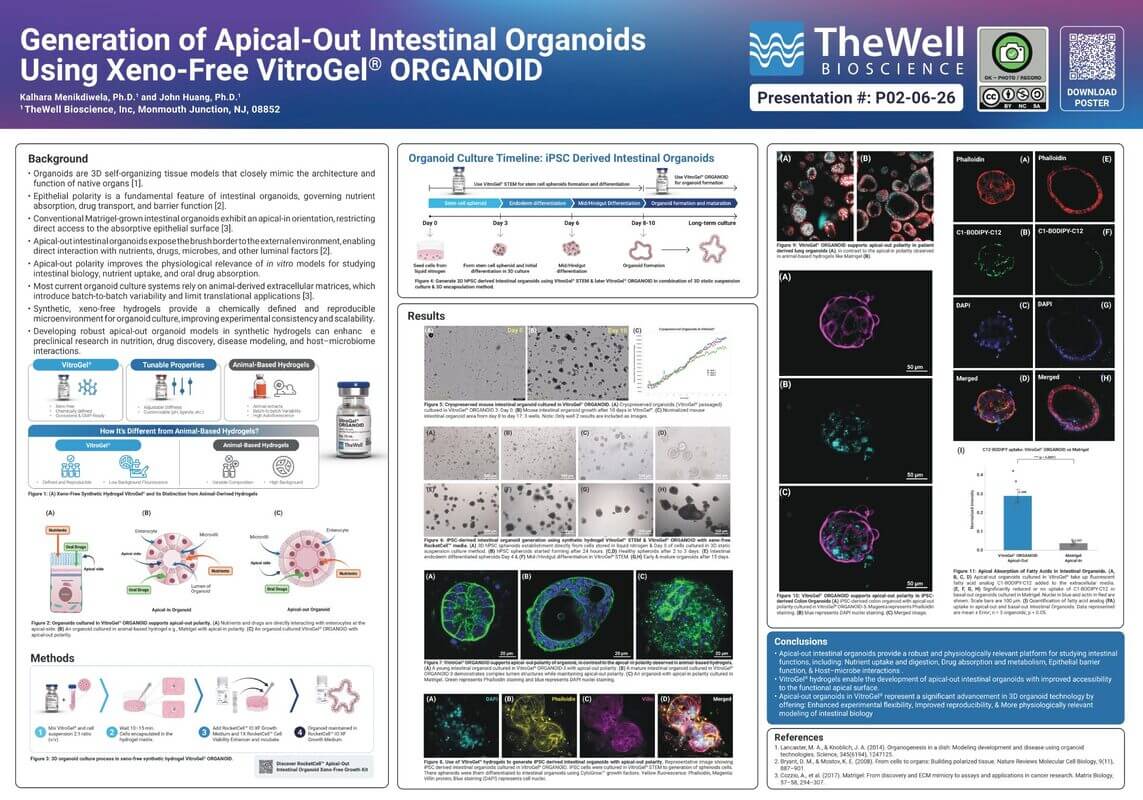
VitroGel® ORGANOID is a synthetic, chemically defined hydrogel that provides a chemically defined and reproducible alternative to animal-derived ECMs. Unlike conventional matrices, VitroGel® supports the direct generation and long-term expansion of apical-out organoids, eliminating the need for polarity reversal while enabling room-temperature handling, automation-compatible workflows, and reproducible organoid culture. When combined with the RocketCell™ Apical-Out Intestinal Organoid Growth Kit, AOF, it provides a fully defined platform for generating and maintaining physiologically relevant apical-out intestinal organoids.
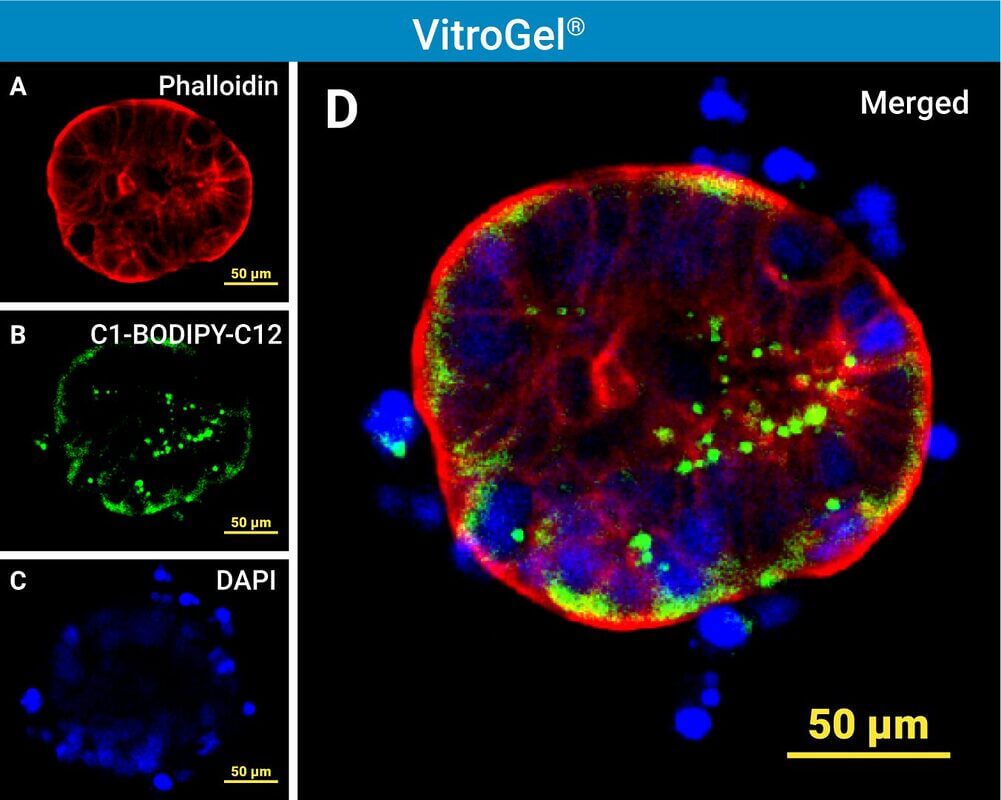
In this white paper, you’ll discover how to:
- Culture apical-out organoids using a fully synthetic, chemically defined VitroGel® hydrogel system.
- Expand, passage, and maintain organoids for long-term culture while preserving structural integrity.
- Transition organoids seamlessly between different hydrogel systems without compromising morphology or function.
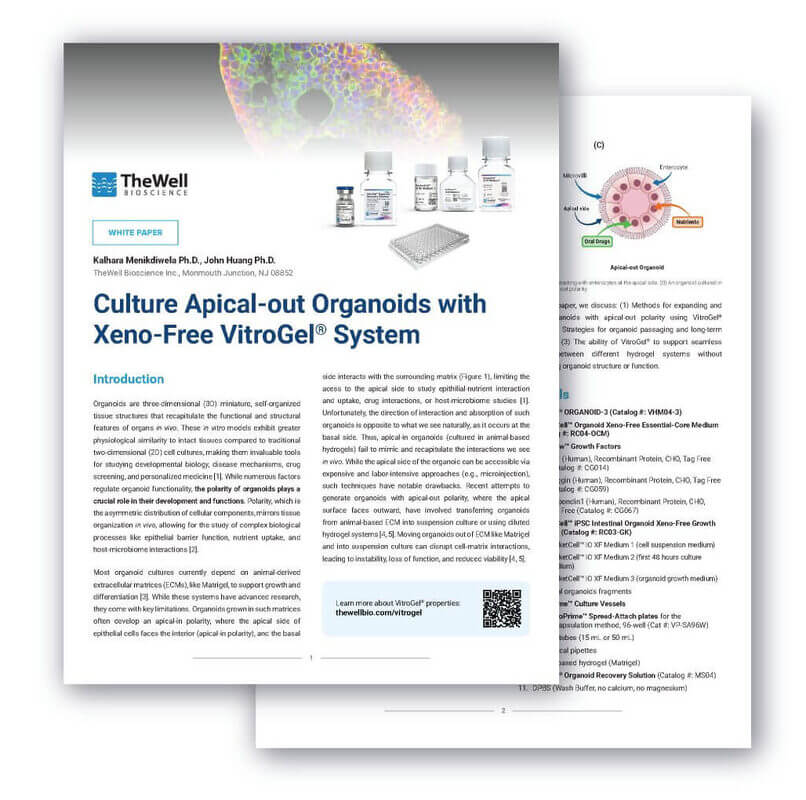
Request White Paper
Fill out the form below to explore the data, imaging results, and culture methods that demonstrate how synthetic hydrogels can simplify organoid research while improving reproducibility and scalability.
Products Used
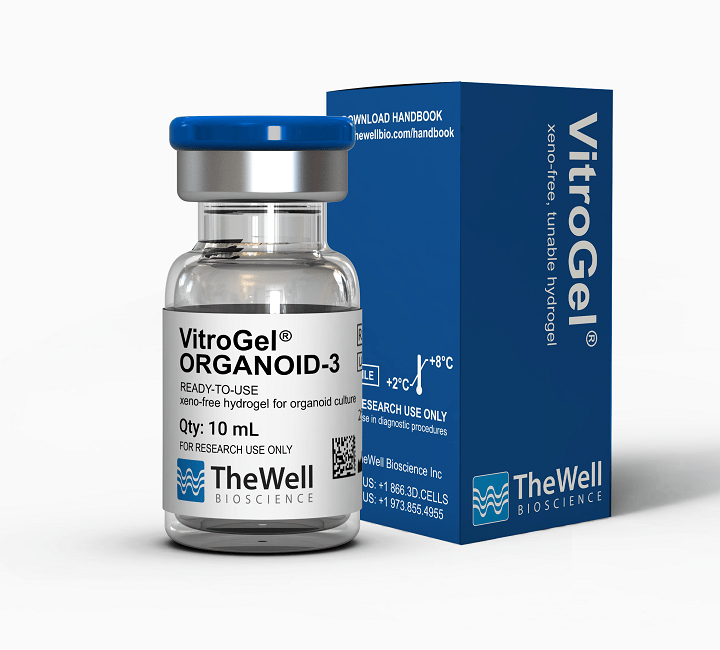
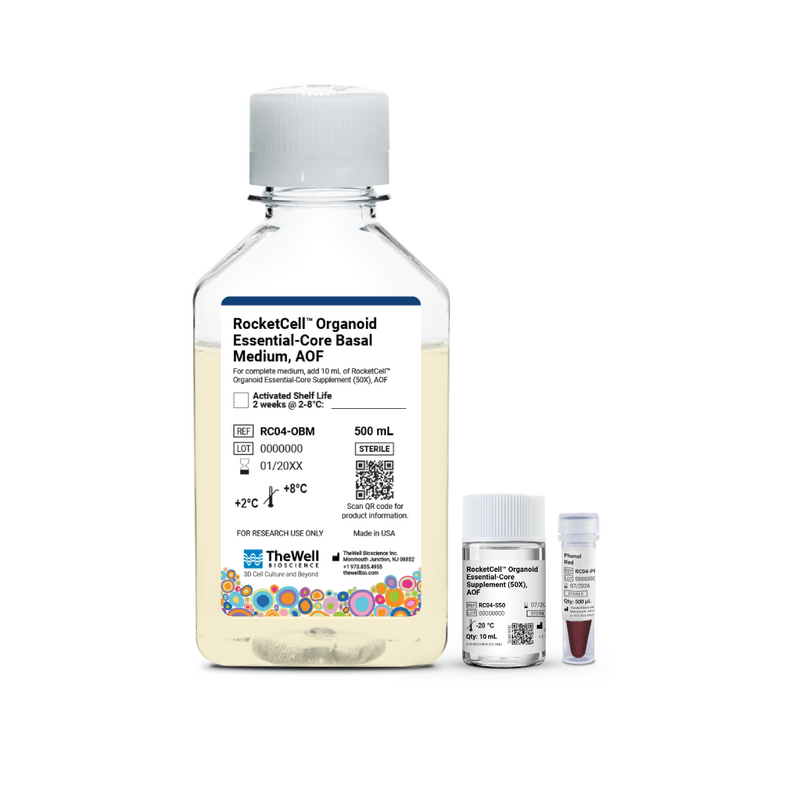
Organoid Development

CytoGrow™ Growth Factors
EGF, Noggin, R-Spondin1
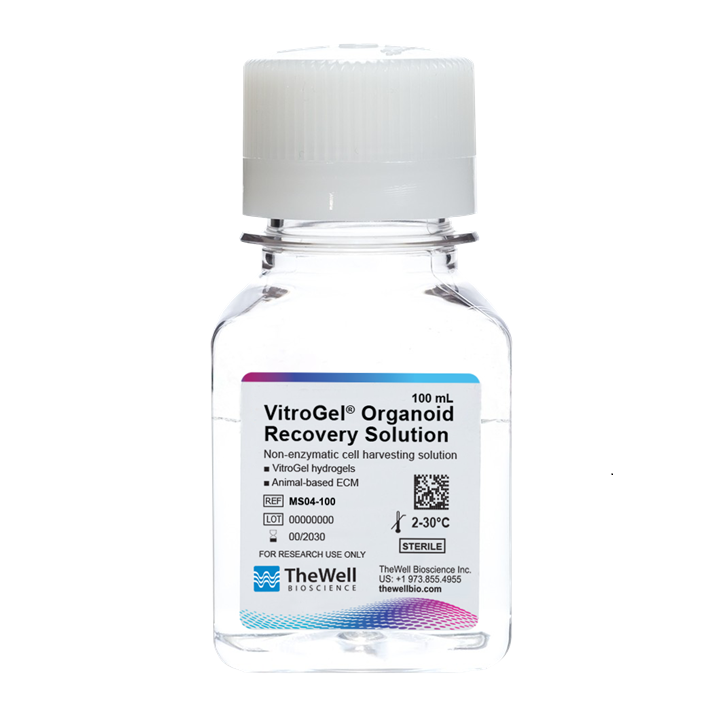
Organoid Recovery
Organoid Analysis
References:
- Lancaster, M. A., & Knoblich, J. A. (2014). Organogenesis in a dish: Modeling development and disease using organoid technologies. Science, 345(6194), 1247125.
- Bryant & Mostov, (2008). From cells to organs: building polarized tissue” — Nature Reviews Molecular Cell Biology (2008)
- Cozzio, A., et al. (2017). Matrigel: From discovery and ECM mimicry to assays and applications in cancer research. Matrix Biology, 57-58, 294-307.
- Li, Y., et al. (2020). Generating apical-out intestinal organoids by suspension culture for microbiome studies. Nature Protocols, 15(3), 1234-1256.
- Gjorevski, N., et al. (2016). Designer matrices for intestinal stem cell and organoid culture. Nature, 539(7630), 560-564.
- Cruz-Acuña, R., et al. (2017). Synthetic hydrogels for human intestinal organoid generation and colonic wound repair. Nature Cell Biology, 19(11), 1326-1335.
- Sachs, N., et al. (2019). Long-term expanding human airway organoids for disease modeling. EMBO Journal, 38, e100300.
Resources to advance your organoid research
Matrigel® is a trademark of Corning Incorporated.