
Author Archives: Kyra Baricaua
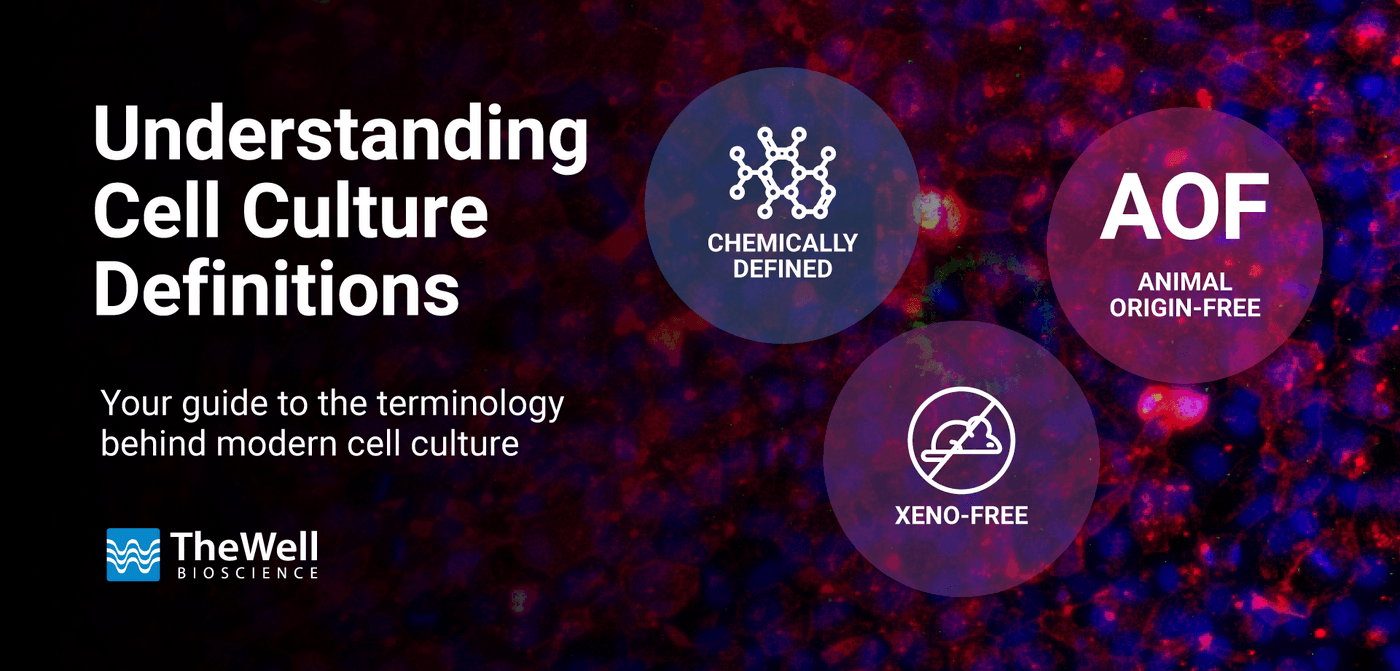
As cell culture systems become more defined, understanding the terminology used to describe matrices, media, and supplements is increasingly important. Terms such as chemically defined, animal origin-free (AOF), and xeno-free (XF) describe different aspects of a product’s composition and material origins—and they are not interchangeable. Understanding these distinctions can help researchers select the right components […]
The lab is back in session! As you kick off a new season of research, let us help you build a more defined, reproducible, and scalable cell culture workflow. Discover the latest solutions from TheWell Bioscience, designed to take your research from everyday cell culture to advanced 3D models while supporting the advancement of New […]
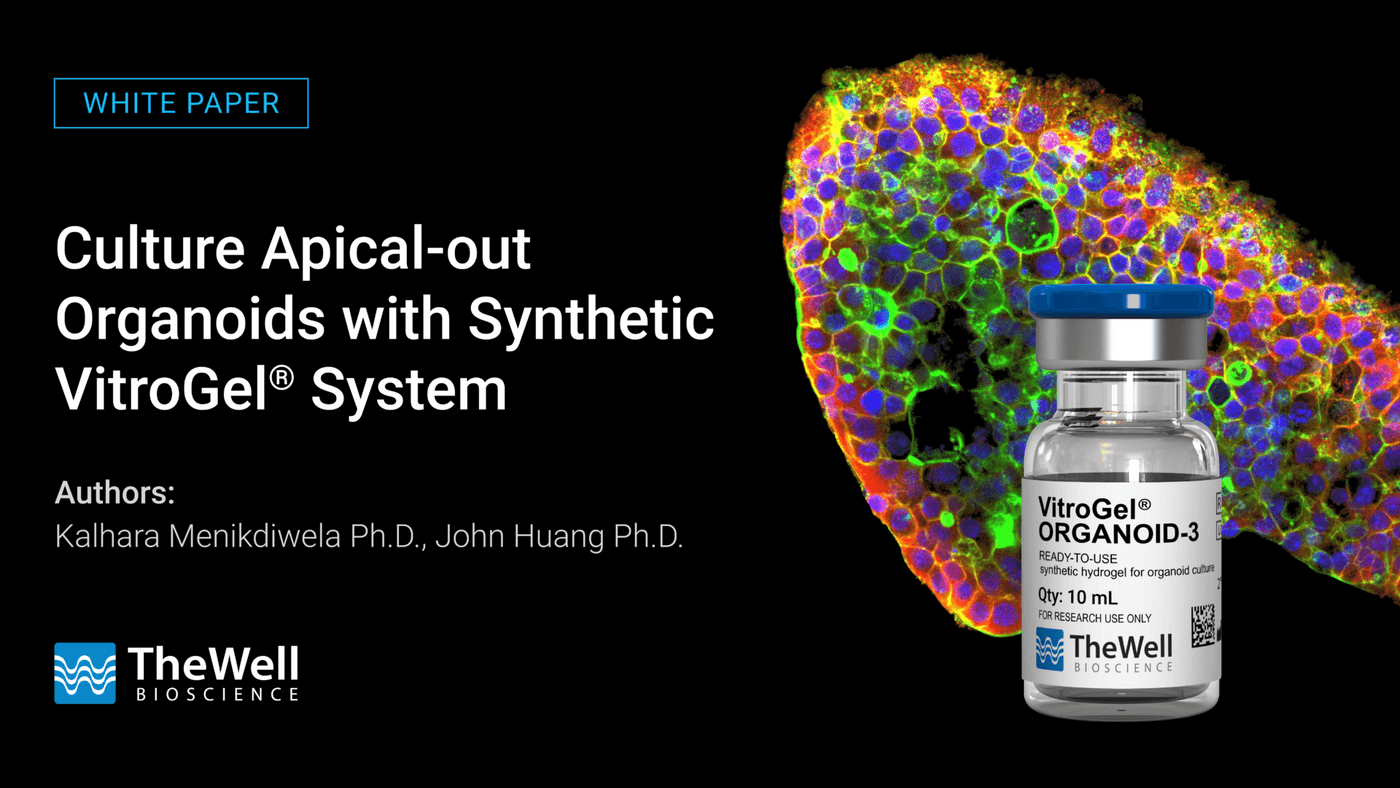
Another limitation of animal-based ECMs is that organoids typically develop an apical-in polarity, where the apical surface is enclosed within the organoid. This makes studies of nutrient absorption, drug transport, and host-microbiome interactions difficult, often requiring labor-intensive methods such as microinjection or suspension culture to access the apical surface. VitroGel® ORGANOID is a synthetic, chemically […]
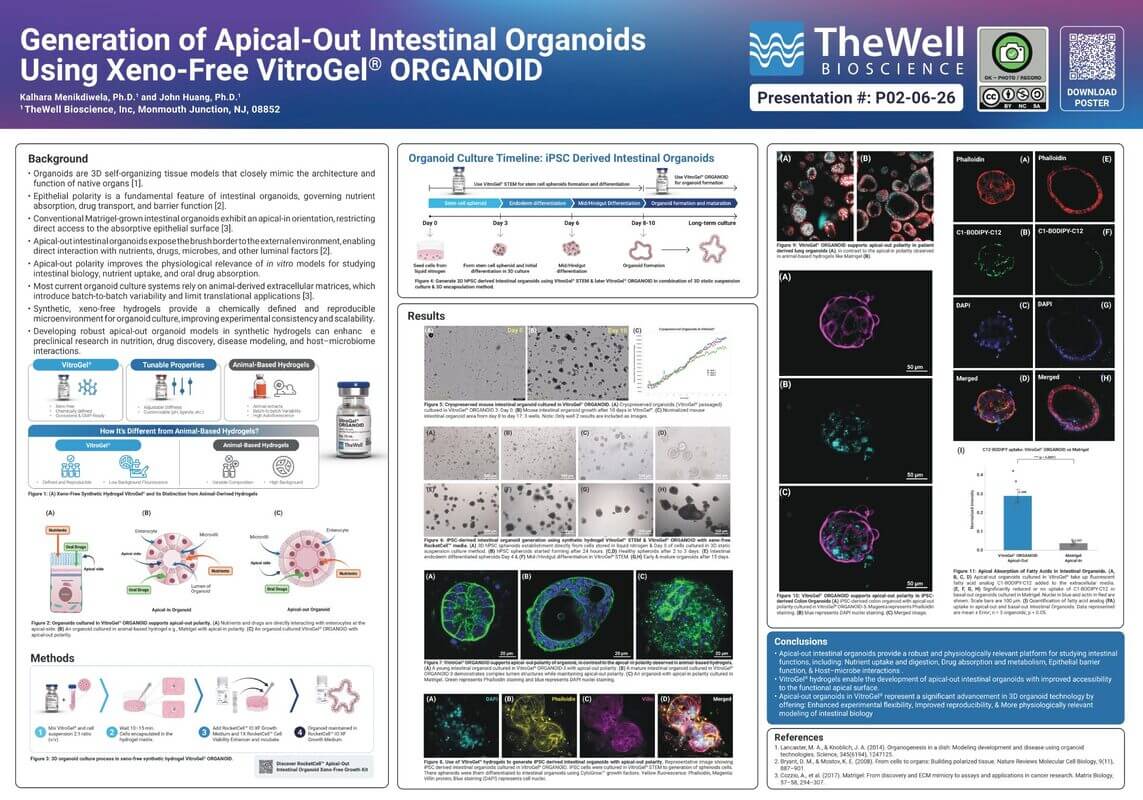
Background: Organoids are 3D self-organizing tissue models that closely mimic the architecture and function of native organs. Epithelial polarity is a fundamental feature of intestinal organoids, governing nutrient absorption, drug transport, and barrier function. Conventional Matrigel-grown intestinal organoids exhibit an apical-in orientation, restricting direct access to the absorptive epithelial surface. Apical-out intestinal organoids expose the […]

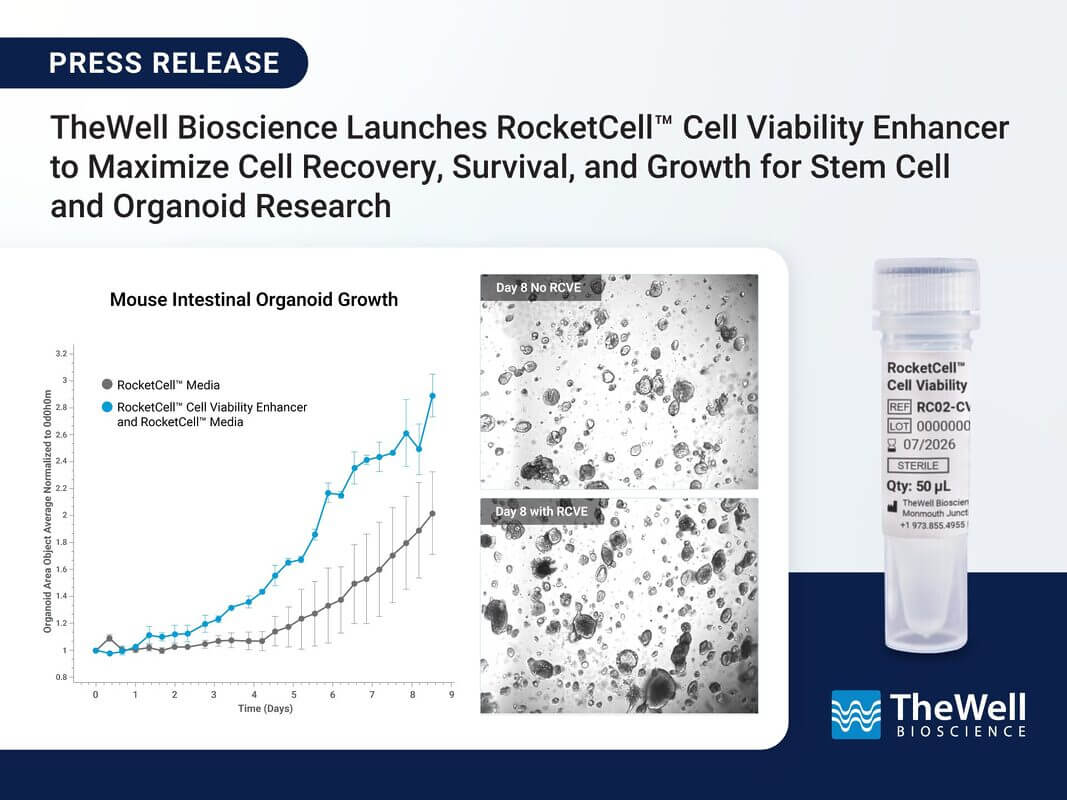
Proprietary small-molecule cocktail significantly improves post-passaging recovery, cryopreservation outcomes, and long-term expansion of sensitive cell cultures. MONMOUTH JUNCTION, N.J., July7, 2026 — TheWell Bioscience, a leader in xeno-free 3D cell culture technologies, today announced the commercial launch of RocketCell™ Cell Viability Enhancer, a proprietary small-molecule formulation designed to maximize cell survival, metabolic recovery, and growth […]
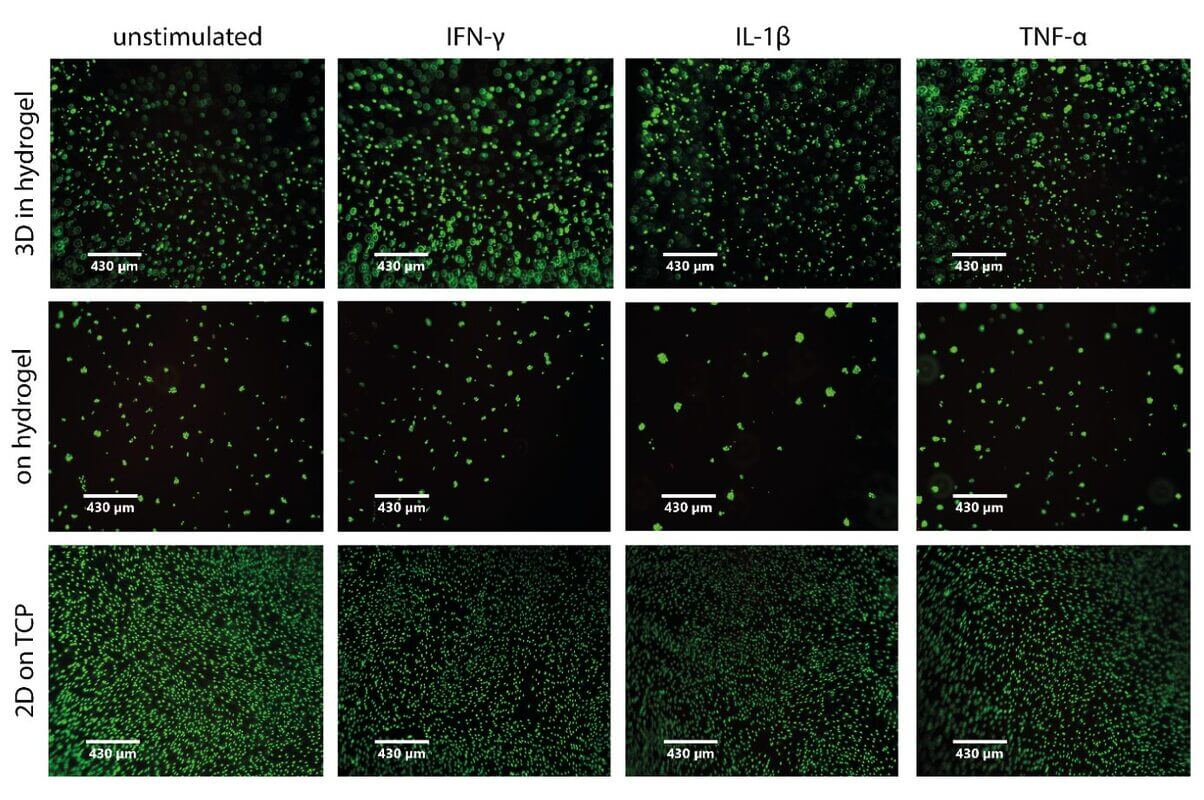
VitroGel® MSC hydrogel enhances anti-inflammatory response in human gingiva-derived mesenchymal stromal cells (hG-MSCs), offering a promising approach to optimize cell-based therapies for inflammatory diseases. Mesenchymal stromal cells (MSCs) have emerged as promising candidates for regenerative medicine due to their remarkable ability to modulate the immune system and promote tissue repair. These cells can be isolated […]

Discover how these solutions work together to simplify and streamline stem cell research.
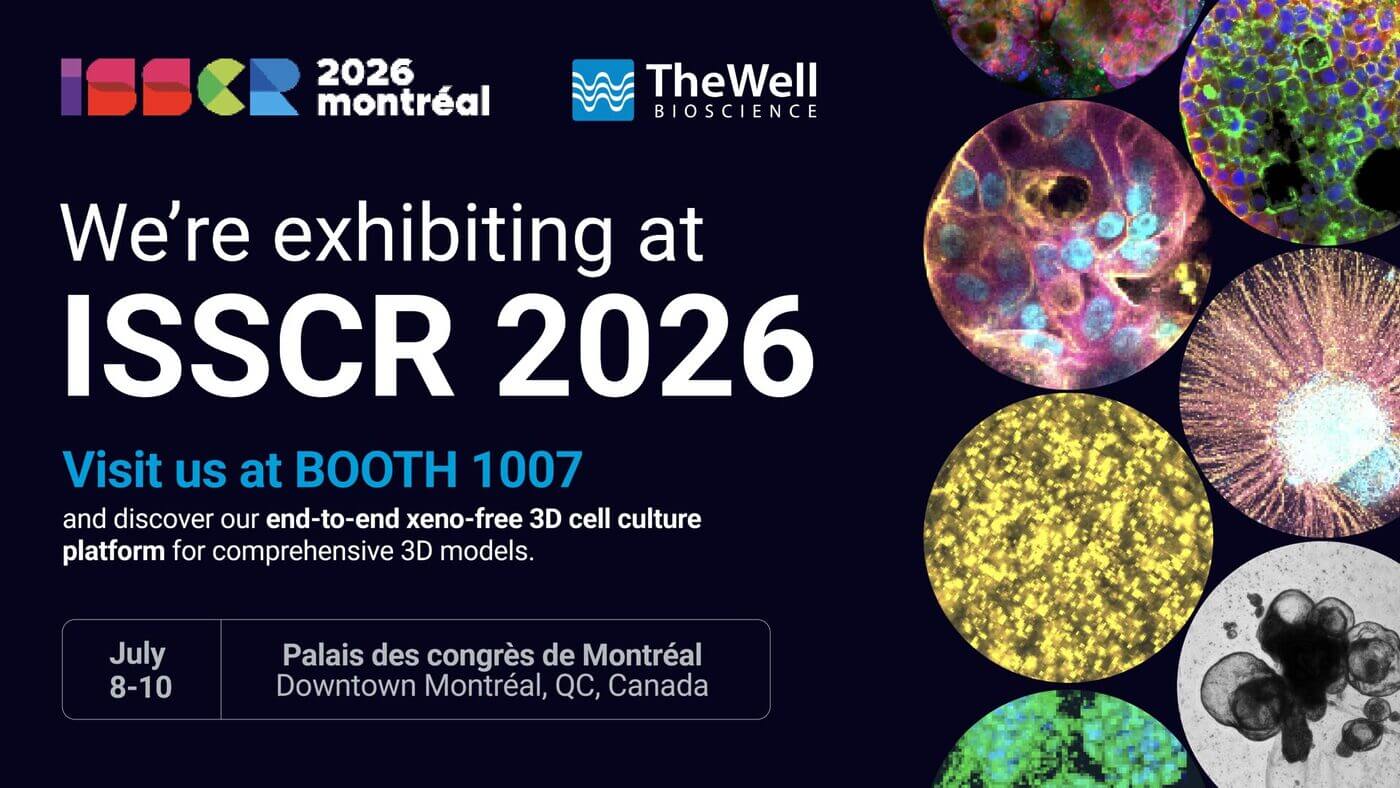
Join us at the International Society for Stem Cell Research 2026 at Palais des congrès de Montréal, Canada, from July 8-10, 2026. Advance stem cell research with an integrated platform designed to support every stage of your workflow. VitroGel® synthetic hydrogels, RocketCell™ media, CytoGrow™ growth factors, VitroPrime™ cultureware, and Cyto3D® analysis solutions work together to […]