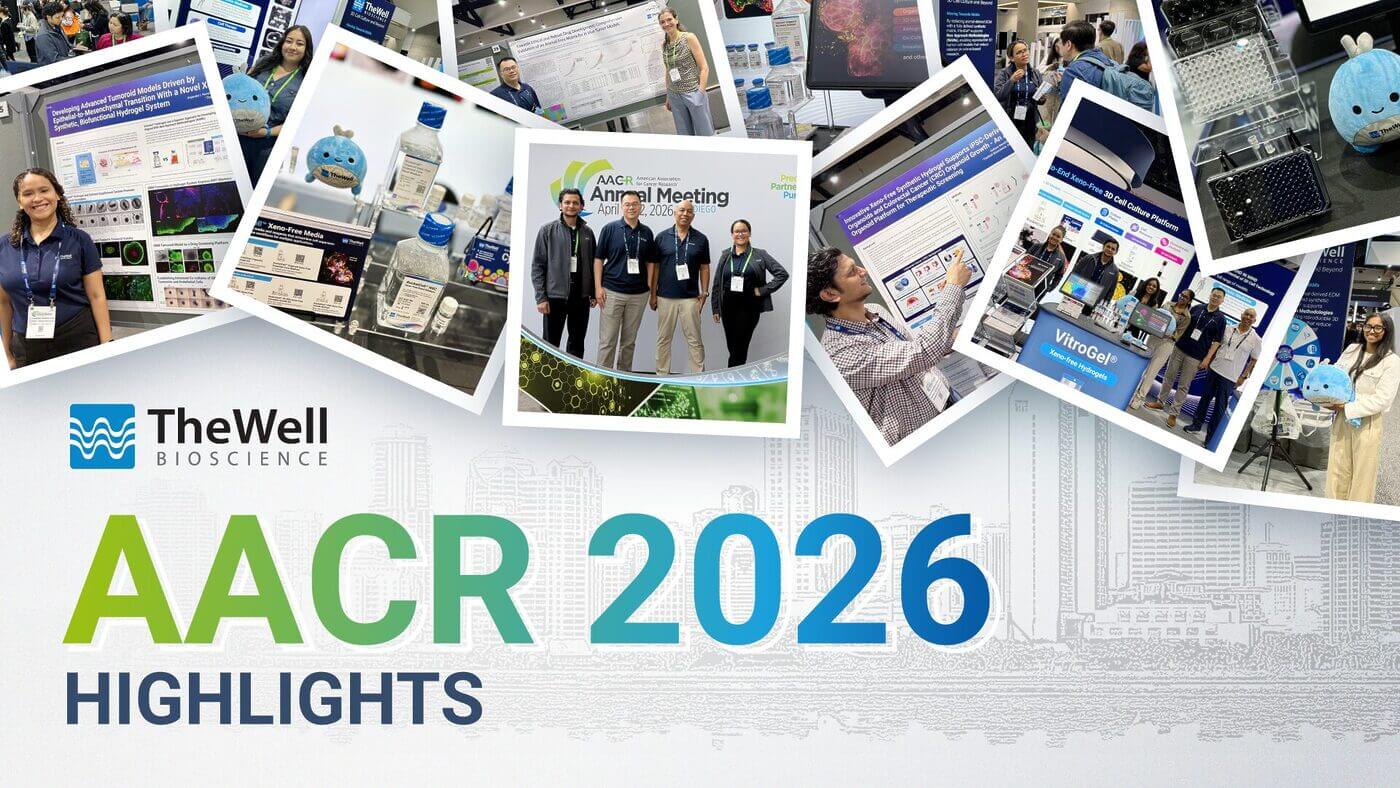
Join us at AACR 2026 Annual Meeting from April 19–22, 2026, at the San Diego Convention Center. Discover a smarter, more flexible approach to advanced cell culture with VitroGel® hydrogels, RocketCell™ media, CytoGrow™ growth factors, VitroPrime™ cultureware, and Cyto3D® analysis. Together, these solutions support reproducible, scalable workflows across organoids, xenografts, invasion assays, stem cell culture, […]
Author Archives: Kyra Baricaua
Presenter: Julia Schueler, Ph.D. – Charles River Laboratories Abstract: The 3R principles are embedded in regulatory frameworks and industry standards. However, drug development pipelines are highly standardized and validated over decades. Introducing new models and adapting existing ones requires extensive validation. The need to compare data before and after these adaptations can lead to inconsistencies […]
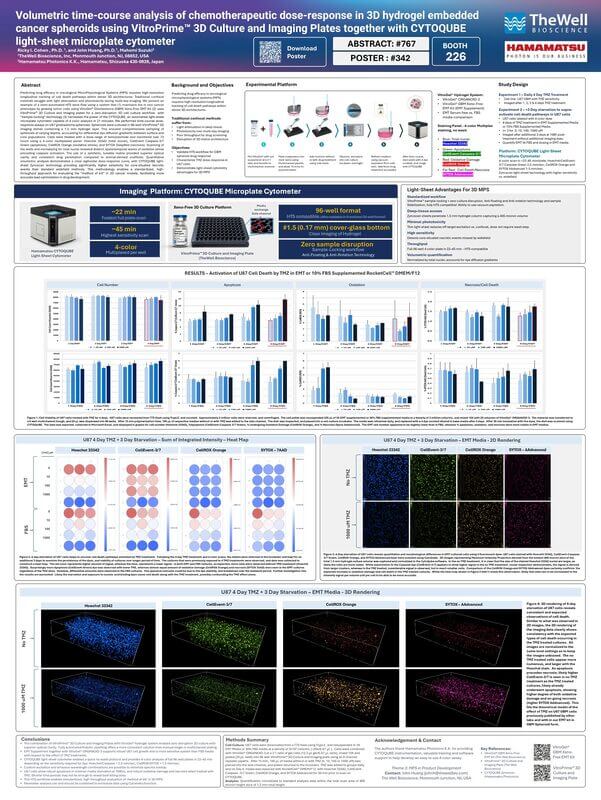
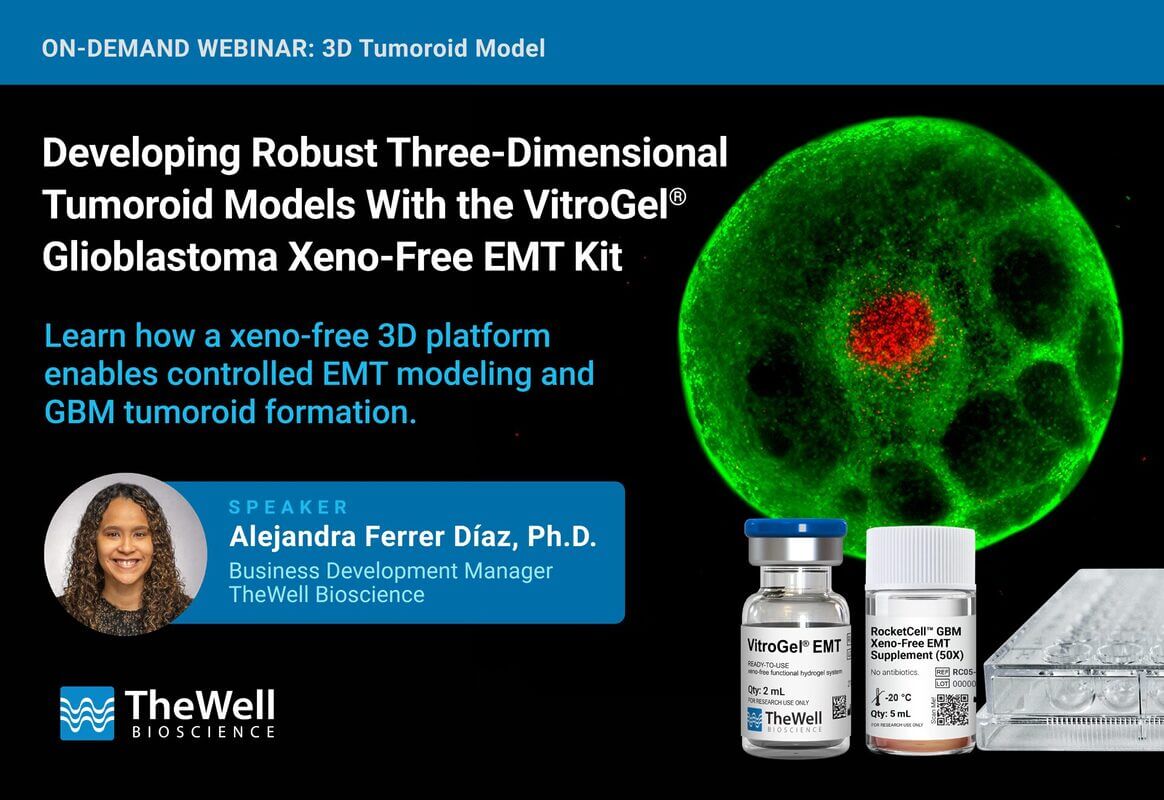
Abstract: Epithelial-to-mesenchymal transition (EMT) is a key biological process that facilitates cancer metastasis to distant organs. Most preclinical studies investigating EMT are conducted using traditional two-dimensional (2D) culture models, which fail to recapitulate the in vivo tumor microenvironment, limiting the translational relevance of their findings to clinical settings. Consequently, three-dimensional (3D) culture systems have emerged […]
Abstract: Colorectal cancer (CRC) is the fourth most commonly diagnosed cancer and the second leading cause of cancer death in the United States of America. Organoids, specifically CRC organoids have emerged as a powerful preclinical model as they closely recapitulate patient-specific tumor features, including tumor morphology, genetics, and treatment response. However, most organoid culture systems […]
Eligibility & Submission Rules: Applicants may submit only one entry per person for this travel award. Submissions for multiple events are not permitted and will result in disqualification. Duplicate entries (e.g., submissions under different email addresses) will be voided. Four (4) applicants will be selected randomly per event. Terms and Conditions Apply. To apply, please […]
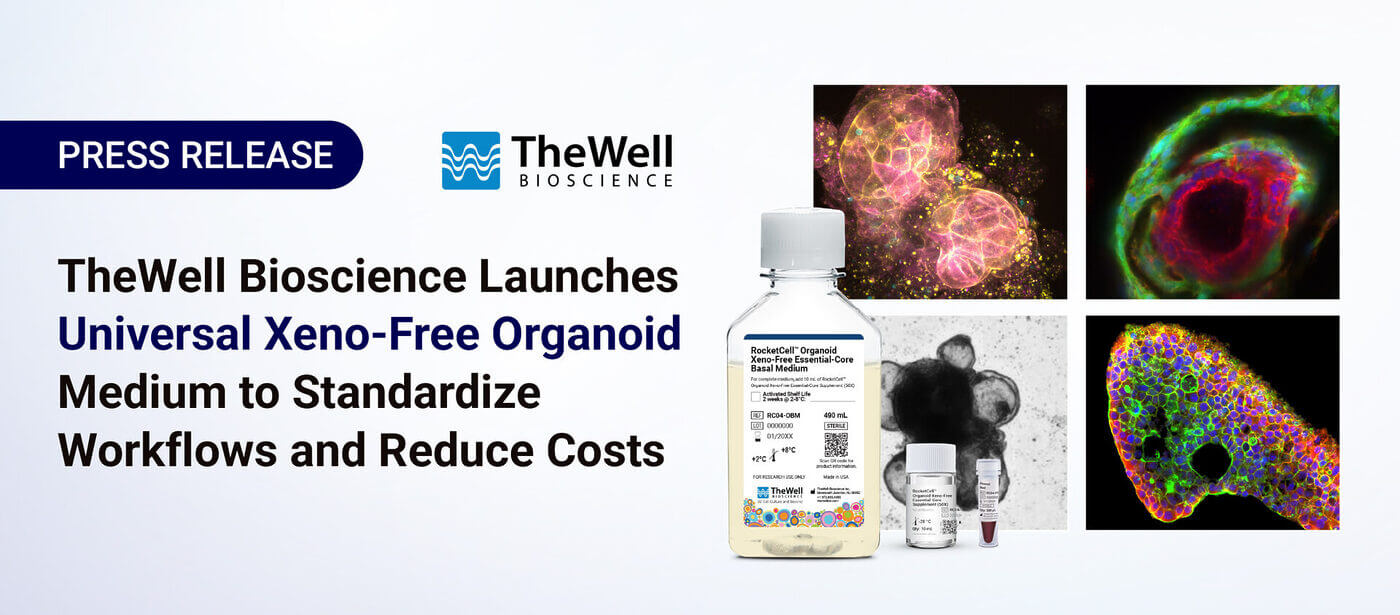
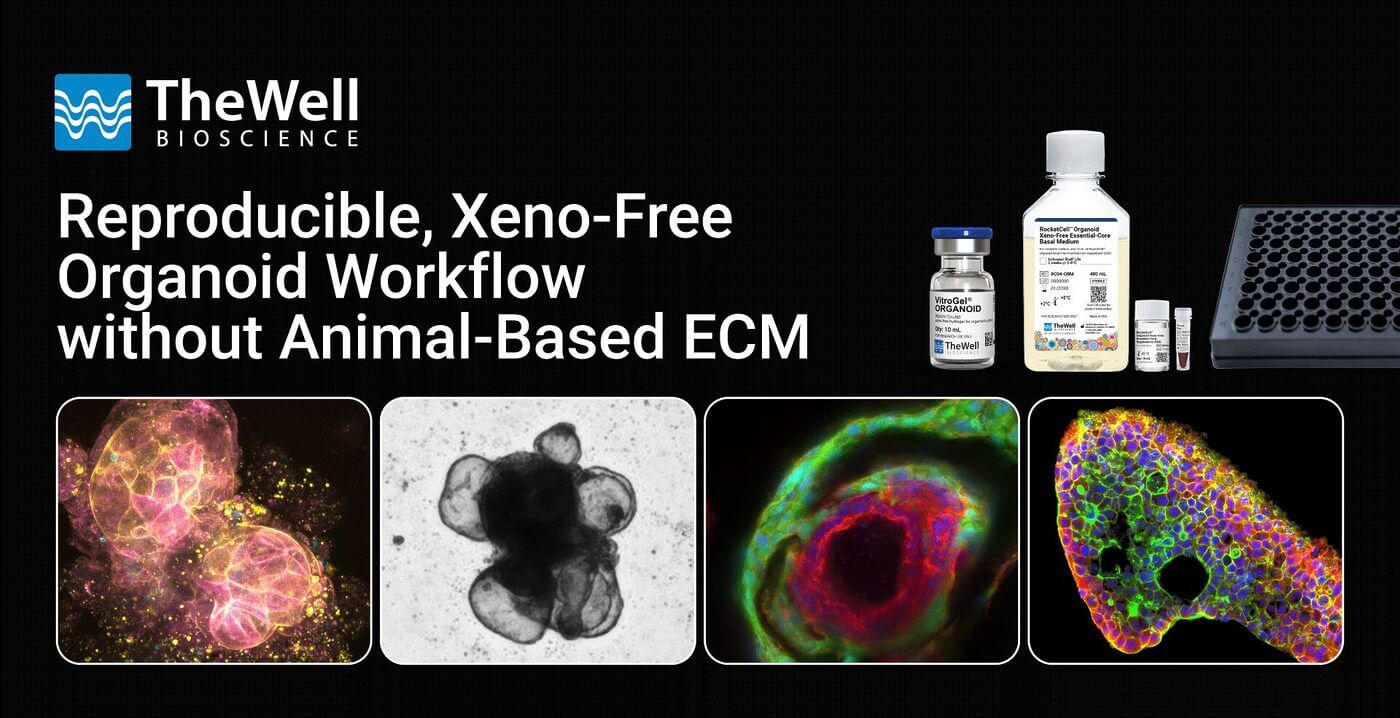
Learn how a streamlined xeno-free platform supports efficient organoid establishment, growth, and maintenance. Organoid technology has rapidly become a powerful platform for disease modeling, drug discovery, and translational biomedical research. However, most organoid systems still rely on highly specialized media formulations tailored to individual organoid types. There is currently no universal culture medium that supports […]
Monmouth Junction, NJ — March 4, 2026 — TheWell Bioscience, a leader in advanced xeno-free cell culture technologies, today announced the launch of RocketCell™ hMSC Xeno-Free Complete Growth Medium, a chemically defined, xeno-free medium engineered for high-performance human mesenchymal stem cell (hMSC) expansion across research, translational development, and cell therapy manufacturing workflows. As regulatory agencies […]
Learn how a standardized xeno-free platform enables a robust, multipotent MSC expansion suitable for translational application. Human mesenchymal stem cells (hMSCs) have evolved from an early cytological discovery into a cornerstone of regenerative medicine, with over 70,000 publications supporting their therapeutic potential. First described as colony-forming unit fibroblasts by Alexander Friedenstein and later defined as […]
Inside SLAS2026: Key Highlights, Connections, and Innovations SLAS2026 was an energizing week of scientific exchange, meaningful conversations, and hands-on demonstrations for the team at TheWell Bioscience. The event offered an invaluable opportunity to connect with researchers and partners, explore the evolving needs in automated 3D cell culture and organoid research, and showcase how TheWell Bioscience’s […]
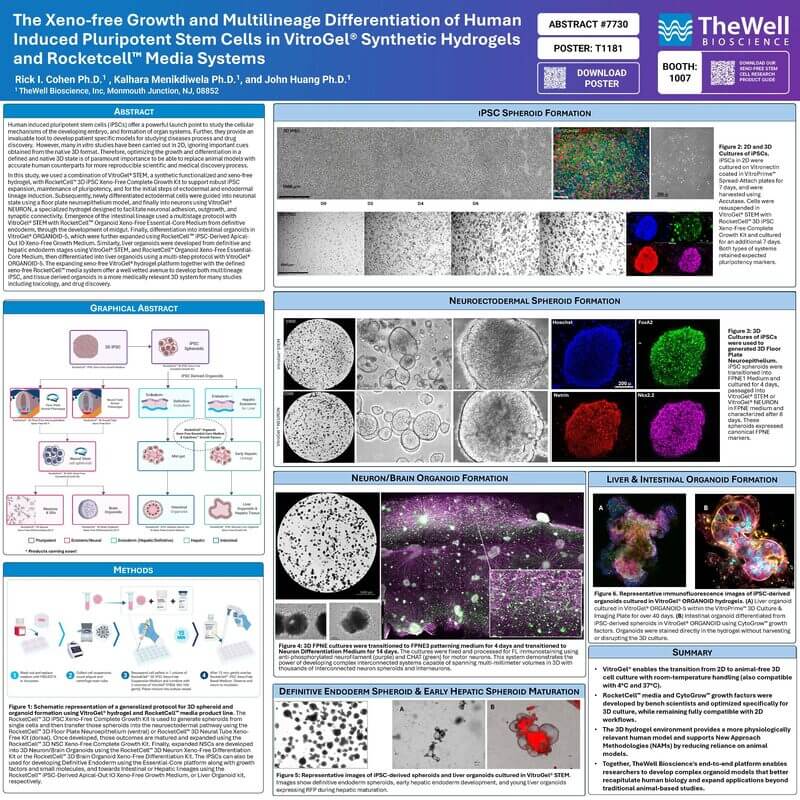
Learn how an integrated, xeno-free platform with optimized matrix, medium, and reagents can accelerate your path to reproducible, clinically aligned 3D iPSC models. Induced pluripotent stem cells (iPSCs) provide a powerful foundation for disease modeling, organoid development, and cell therapy applications. However, most iPSC research is still performed in two-dimensional (2D) systems that fail to […]